
Last updated November 23, 2026
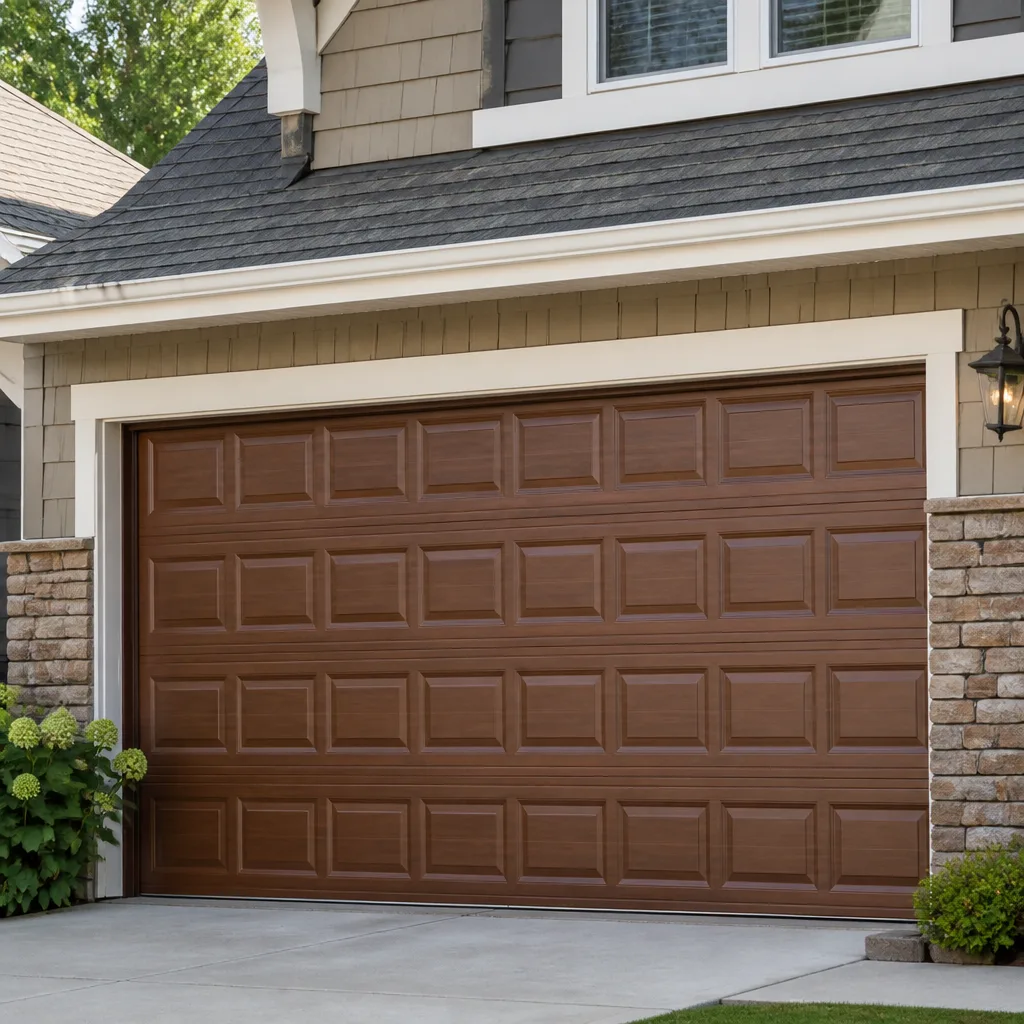 Raised-panel steel
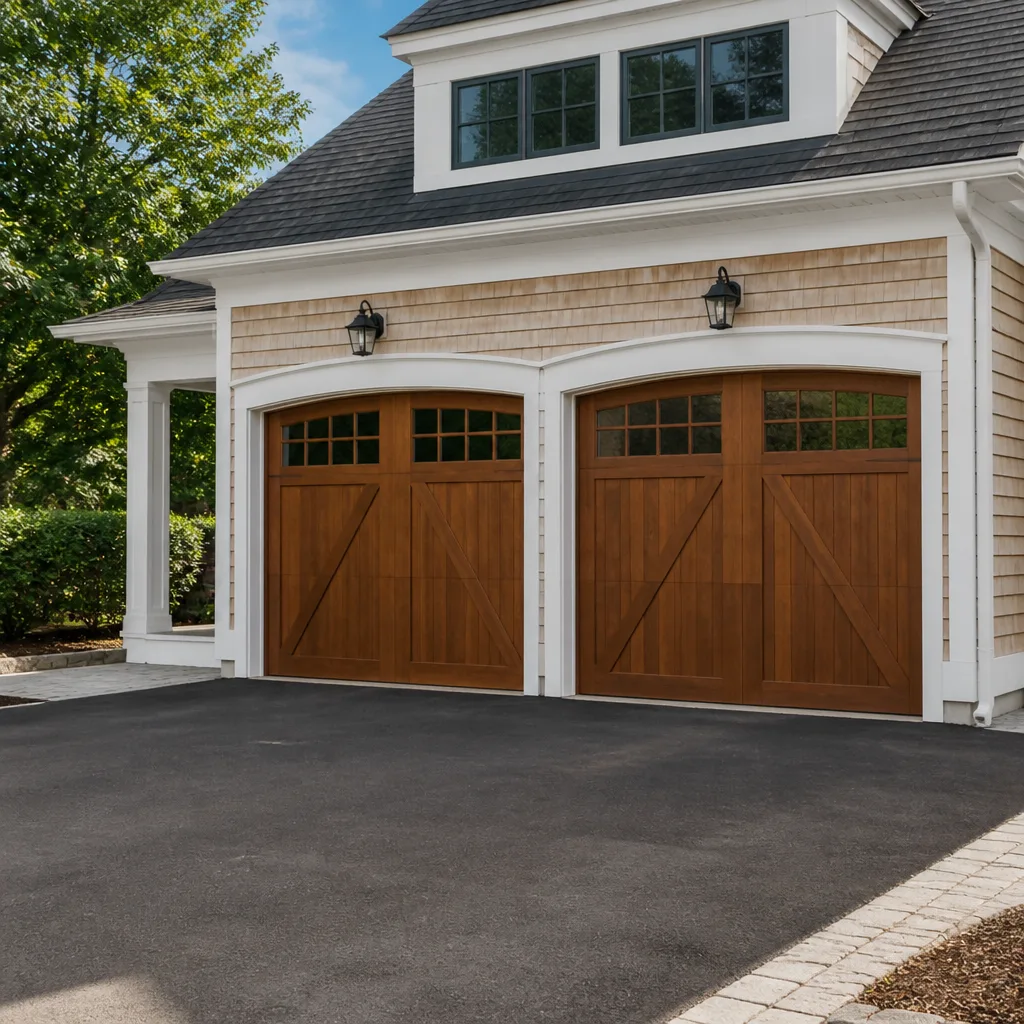 Carriage house
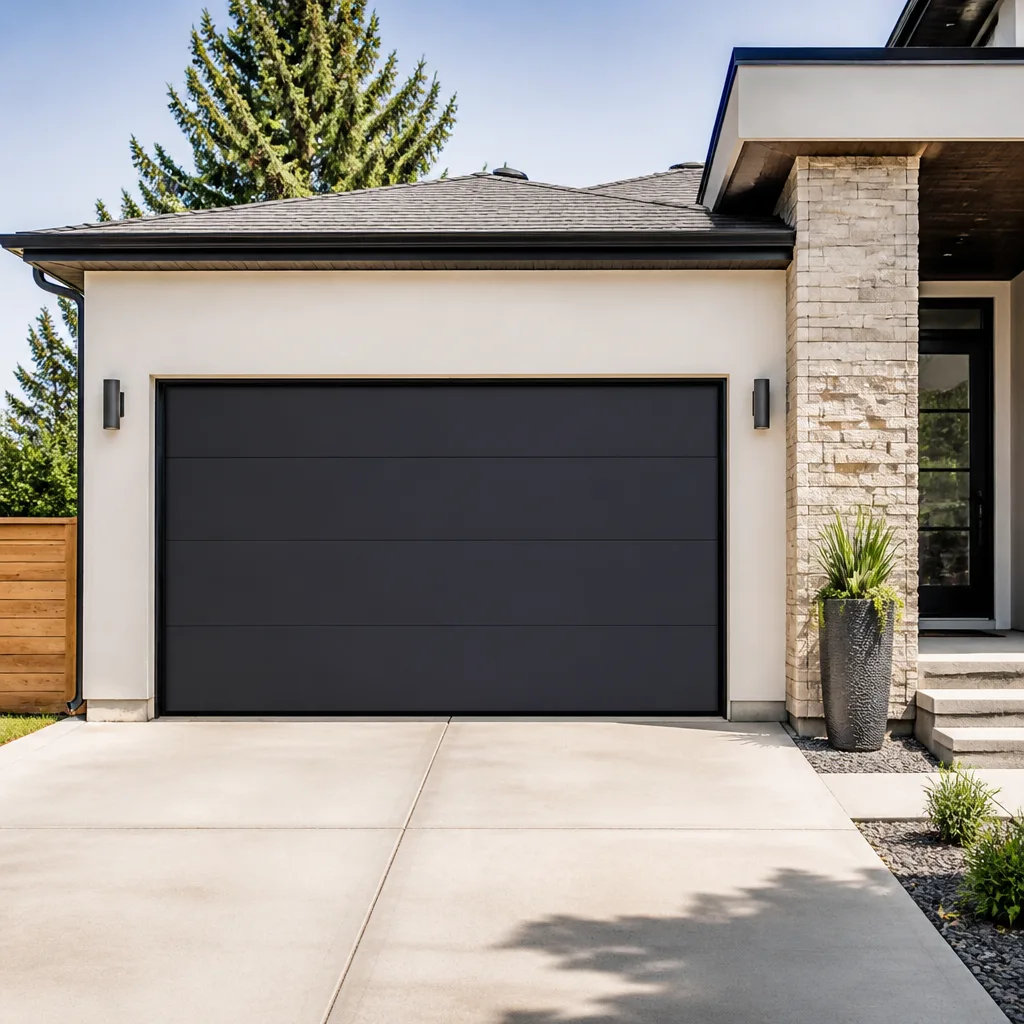 Modern flush
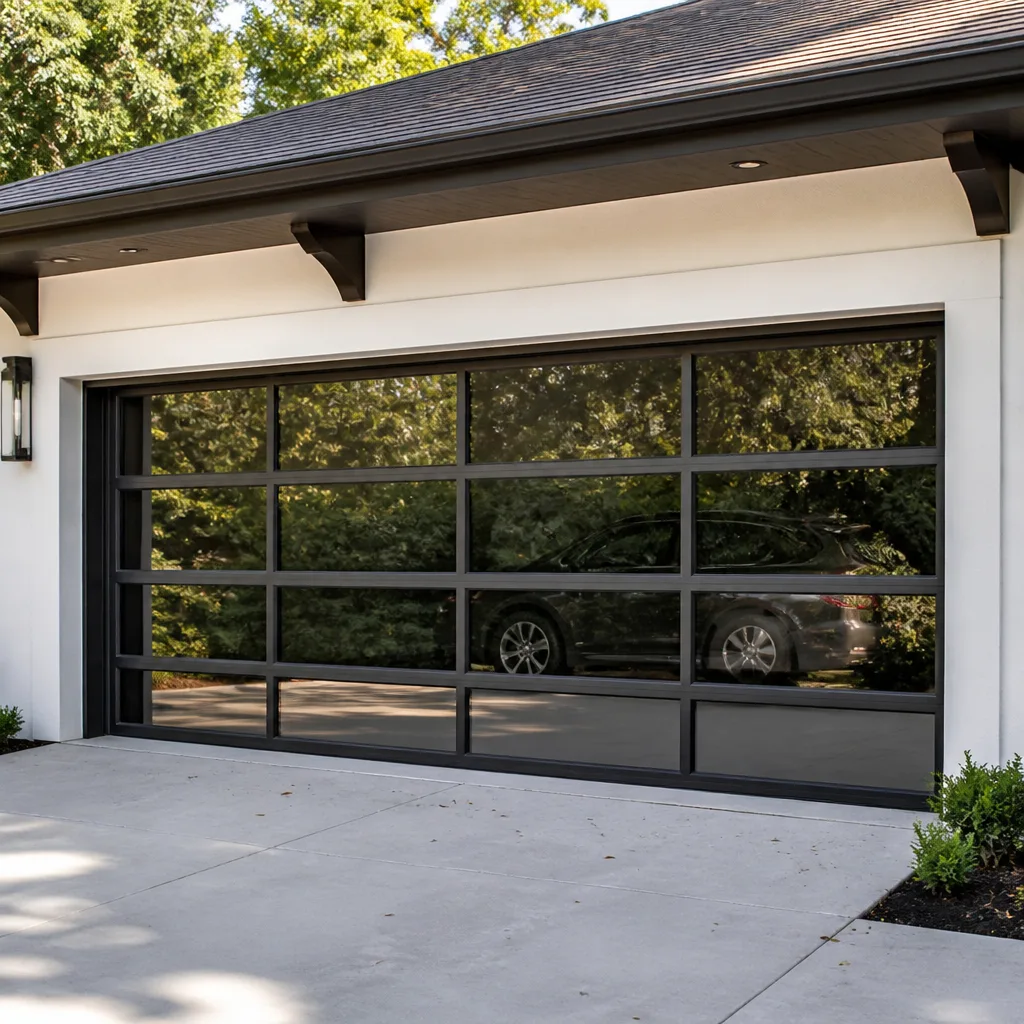 Full-view glass
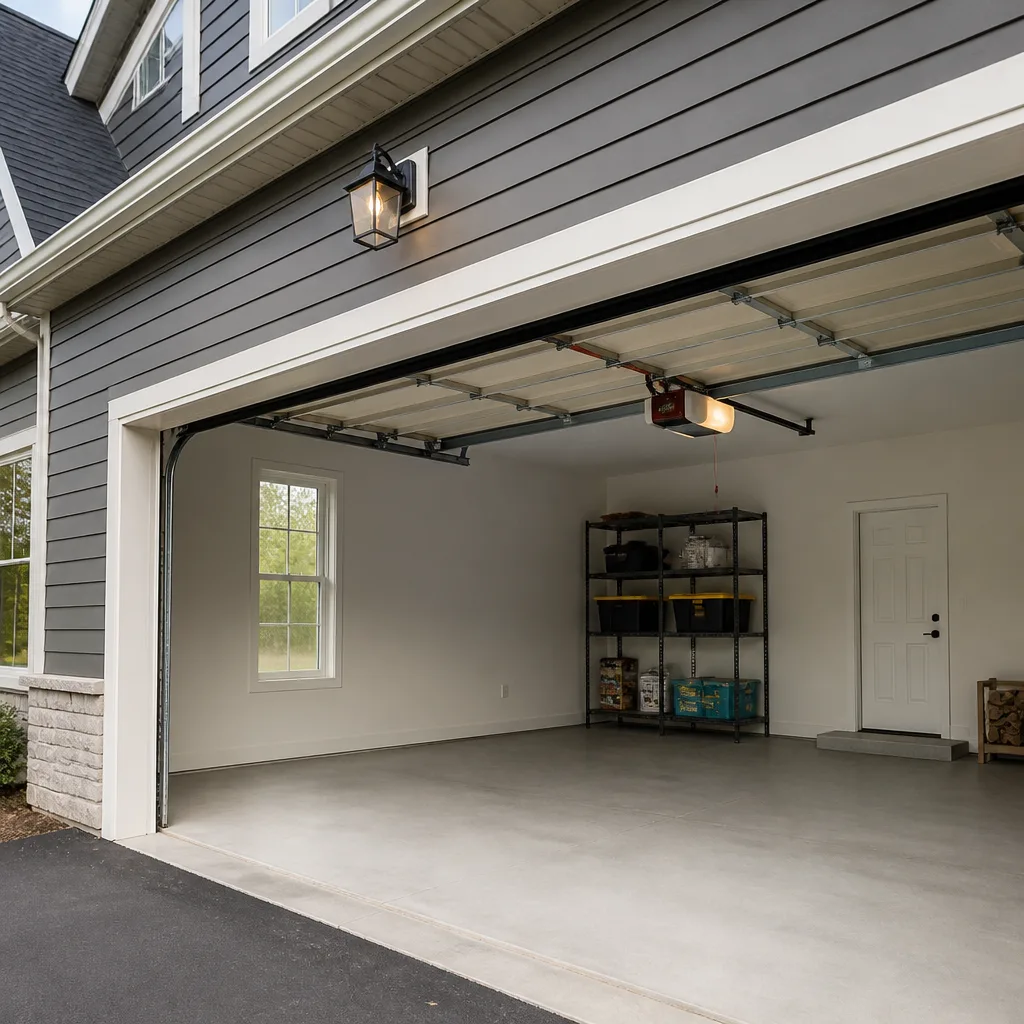 LiftMaster openers
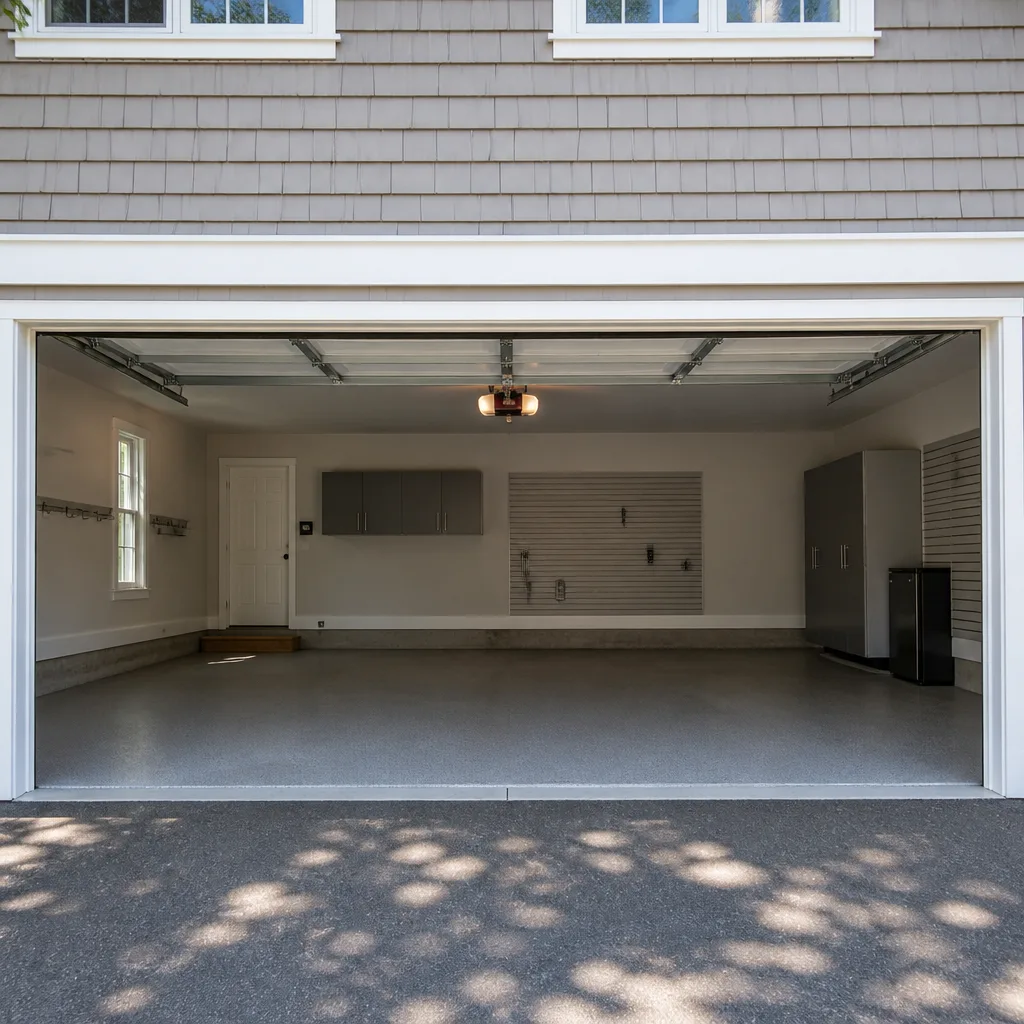 Chamberlain openers
Full 25-point door and opener safety check with every visit - springs, cables, rollers, tracks, and your LiftMaster or Chamberlain opener included
You get a price before we start. It does not change when the pro arrives.
Get your free estimateDIY vs Professional Garage Door: The New Brunswick Homeowner’s Decision Guide
A torsion spring stores enough energy to seriously injure a hand or face in a fraction of a second. That fact gets used as a blanket warning to never touch a garage door yourself, and that’s not quite honest either. The real question isn’t whether you’re “handy enough” for garage door work. It’s which specific jobs on your door are genuinely homeowner-appropriate and which ones carry injury risk that no video tutorial can prepare you for. This guide draws that line task by task, with the mechanical reasoning behind each one, so a New Brunswick homeowner can decide with clear eyes instead of guesswork.
Quick Answer
Most garage door maintenance and simple repairs – lubricating hinges and rollers, tightening loose bolts, replacing weatherstripping, realigning photo-eye sensors, and swapping a remote battery – are safe for a prepared homeowner to do. Spring replacement, cable replacement, and any work on the torsion assembly are professional-only, full stop. Track and panel work, opener adjustments, and full door replacement fall in between, where preparation and the right tools decide whether it makes sense to attempt it.
Styles & brands we work with
- Raised-panel steel
- Carriage house
- Modern flush
- Full-view glass
- LiftMaster openers
- Chamberlain openers
Table of Contents
- The Three Task Categories Every Homeowner Should Know
- Homeowner-Safe Tasks: What You Can Genuinely Handle
- Professional-Only Work: Springs, Cables, and the Torsion Assembly
- The Tools You Actually Need and the Real Cost Comparison
- The New Jersey Legal and Insurance Angle
- DIY Mistakes That Show Up in Older New Brunswick Housing
- How a Hybrid Approach Works Best
- Common Mistakes to Avoid
- When to Call a Professional
The Three Task Categories Every Homeowner Should Know
Garage door work gets treated as one thing, which is why the DIY debate goes in circles. In practice it breaks into three buckets, and the dividing line is energy, not complexity. How much stored energy does this part hold, and how much of it can be released at once if you get it wrong?
Category 1: Homeowner-safe. These jobs involve no stored energy beyond a battery. Lubrication, tightening hardware, replacing a light bulb in the opener housing, cleaning tracks, and swapping a remote battery all sit here. A homeowner with a screwdriver and a step ladder can handle them, and they prevent a surprising number of the breakdowns we get called out for.
Category 2: Homeowner-capable with preparation. These tasks are mechanically simple but demand the right tools, a second set of hands, and an honest understanding of your own comfort working at height or under a suspended load. Photo-eye realignment, weatherstrip replacement, roller replacement, and adjusting opener travel limits land here. So does re-engaging a door that came off its opener carriage.
Category 3: Professional-only. Any work on the torsion spring, the extension springs, or the lift cables. The reason is straightforward: those components hold the entire weight of the door under tension, and releasing that tension incorrectly can send hardware flying with no warning. No tutorial teaches your hands what the tension feels like before it bites.
Sort the task instead of the homeowner and the decision gets much easier. A careful New Brunswick homeowner can knock out half the items on a maintenance list safely. The other half belongs to someone with the right tools and training. We’ve watched this distinction solve more arguments than any general “hire a pro” advice ever does.
Homeowner-Safe Tasks: What You Can Genuinely Handle
A garage door that gets regular attention lasts longer and fails less often, and much of that attention is well within a homeowner’s reach. The key is choosing the tasks where a mistake costs you a call for service, not a trip to urgent care.
Here’s the maintenance routine we’d hand any New Brunswick homeowner. It’s what our own technicians do first on a service call, and none of it requires special equipment:
- Lubricate the moving parts. The hinges, rollers, and pivot points take a silicone-based or white lithium spray. Do it a couple of times a year. A noisy door is usually a dry door, not a broken one.
- Check the balance by hand. Disconnect the opener, lift the door halfway, and let go. A properly balanced door stays roughly in place. If it slams down or drifts up, the spring tension is off, and that’s a professional call, not a DIY fix.
- Test the safety reverse. Put a piece of wood in the door’s path and close it. The door should reverse on contact. This is the single most important safety check on any automatic door.
- Look at the photo-eye sensors. If they’re dirty or knocked askew, the door won’t close. Wipe them and check that the indicator lights line up. Cleaning them is homeowner-safe; rewiring them is not.
- Tighten loose bolts. The bracket bolts on the door panels and the opener’s rail will loosen from vibration. A snug turn with the right wrench fixes most rattle complaints.
- Replace weatherstripping. The rubber seal at the bottom of the door and the trim around the opening both wear out. New seals are inexpensive and easy to fit.
Together these tasks address the bulk of the everyday complaints we hear from homeowners. They also make a door easier and safer to work on if a technician does need to visit later. If something on the list turns up a problem you’re not ready to fix yourself, our garage door repair team can look at the rest of it.
Professional-Only Work: Springs, Cables, and the Torsion Assembly
This is the part of the guide where the answer is simply no. Torsion springs, extension springs, and the lift cables that run alongside them are professional-only, and it isn’t because the job is complicated to understand. It’s because the stored energy in a wound spring is enormous and releases instantly when a part fails.
A torsion spring is a coil of steel under hundreds of pounds of twisting force when the door is closed. That force is what counterbalances the door’s weight. When you’re winding or unwinding a spring, you’re handling that force directly through a winding bar. If the bar slips, or a spring breaks while under tension, the hardware moves faster than you can react. This is one of the few home repairs where a single mistake can cause a serious injury, which is exactly why we treat it as a standalone task rather than a general repair. Our garage door spring repair service is built around that risk.
Here’s what you can do safely with a spring problem:
- Recognize the symptoms. A broken torsion spring usually shows as a visible gap in the coil. A broken extension spring shows as a snapped coil on the side. Either way, the door will feel extremely heavy and the opener may strain or refuse to lift it.
- Stop using the door. Don’t force it. Running an opener with a broken spring can damage the opener, the cables, or the door panels.
- Check the cables for damage. A frayed cable is a sign of a problem that could let go next.
- Leave the winding and unwinding alone. Cable replacement and spring replacement both require controlled release of tension.
One more point on cost that catches people out. A torsion spring is priced per spring. Doors usually carry a matched pair, and replacing both at once is standard practice so you’re not back under the same tension a few months later. Expect the pair to cost roughly double a single spring. Any written estimate should make clear whether you’re quoted for one spring or the pair.
The Tools You Actually Need and the Real Cost Comparison
One of the overlooked arguments against DIY on the harder tasks is that the tool cost often exceeds what you’d pay a professional for the same job. A homeowner doing the simple maintenance needs a handful of basic items. A homeowner attempting a spring replacement needs a specialized kit that costs more than the repair itself.
For the homeowner-safe tasks, here’s the realistic tool list:
- A socket and wrench set for tightening bolts
- Silicone-based or white lithium lubricant
- A step ladder rated for your weight
- A screwdriver set and a small adjustable wrench
- Replacement weatherstrip and remote batteries as needed
That’s a modest investment, and most of it stays useful around the house. The math changes fast on the harder jobs. A winding bar set, the correct spring for your door’s exact weight and height, and the tension gauge to verify the wind are all specific to this trade. Buy them once and you’ve spent more than a typical spring repair quote, and you’ve still never done the job before.
Our approach is to keep the comparison honest. On the safe maintenance tasks, DIY wins on cost and convenience. On spring, cable, and torsion work, the professional option is usually cheaper than the tooling alone, before you factor in the risk. When a door needs diagnosis beyond the basics, our garage door opener repair and spring services both start with a free estimate, so you can see the number before deciding.
A rough way to think about it:
- Maintenance and simple adjustments: DIY is cheaper and faster.
- Spring or cable work: professional is cheaper once you account for tools and risk.
- Track, panel, or opener repair: often a wash on cost, but professional saves the weekend and the guesswork.
- Full door replacement: always professional, because sizing, measuring, and the spring specification have to match the new door exactly.
The New Jersey Legal and Insurance Angle
Homeowner’s insurance generally covers damage caused by a garage door failure, but the details matter if the damage came from work you did yourself. This isn’t a scare tactic; it’s a reason to understand the exposure before you decide.
Most policies cover accidental damage to your home and its contents. A door that falls because a spring snapped is usually a covered event. A door that falls because a homeowner installed the wrong spring, or re-hooked a cable incorrectly, can raise questions from an insurer about the cause when a claim is filed. We can’t tell you what your specific policy will or won’t pay, and you should ask your insurer directly if this matters to you. What we can tell you is that a documented professional repair removes one category of uncertainty from that conversation.
There’s also the injury side. Homeowner’s insurance typically responds to injuries on your property involving others, but it may not cover injury to you or your household doing the work. Combined with the mechanical reality of spring and cable work, this is the second reason we keep those tasks in the professional-only category.
On the legal side, New Brunswick follows the same general New Jersey rules on permitted work as the rest of the state. Simple maintenance and replacement of wear items don’t require a permit. A full door replacement may require one depending on your municipality, so check with the New Brunswick building department before scheduling a replacement. This is one of those questions where a two-minute phone call settles it.
DIY Mistakes That Show Up in Older New Brunswick Housing
New Brunswick has a lot of older homes, and their garage doors and frames carry quirks that newer construction doesn’t. Those quirks are where well-intentioned DIY work tends to go wrong. In our experience, four mistakes come up again and again in this kind of housing.
Overtightening on soft wood frames. Older homes often have wood-framed openings that have softened or shifted with age. A bolt that feels loose and gets cranked hard can crush the wood and crack it. The right approach is to tighten to snug, check for movement, and stop. If a bolt keeps coming loose, the frame needs repair, not more torque.
Using the wrong-tension spring from a big-box store. Springs are matched to the door’s weight, height, and cycle life. A store-bought spring that fits the space isn’t the same as one that fits the door. The wrong tension makes the opener work harder, wears the door, and creates a safety problem. The correct spring is specified from the door’s actual weight, which is why we don’t recommend buying one off the shelf.
Misaligning tracks on out-of-plumb openings. Older garages often aren’t perfectly square anymore. When a homeowner adjusts a track to fix a sticking door, they can push it out of alignment with the door’s travel, and now the door binds worse than it did. Track alignment has to reference the door’s plumb line, not just visual straightness.
Forcing a door that’s already off-track. This one costs real money. A door that’s jumped its track shouldn’t be pushed back into place by hand. The panels and cables are under load, and forcing the door can bend panels or release a cable. Stop and call a professional.
These are the same issues we address on every older-home service call, whether the door is a Clopay, an Amarr, or a Wayne Dalton model. The door brand matters less than the frame it sits in. If you’re unsure whether your opening is square, a technician can check it quickly and tell you whether a repair is safe to skip or not.
How a Hybrid Approach Works Best
The cleanest answer for most New Brunswick homeowners isn’t “DIY everything” or “hire for everything.” It’s a hybrid. You handle the safe maintenance and the prep. A professional handles the spring and cable work and any repair that involves load. This approach keeps costs down without putting anyone at risk.
Here’s the conversation that makes a hybrid visit efficient when you call:
- Describe the door and the problem in plain terms. “The door stopped opening yesterday and I can see a gap in the spring” tells a technician far more than “it’s broken.”
- Say what you’ve already checked. If you’ve tested the opener, cleaned the sensors, or lubricated the hinges, say so. It saves diagnostic time.
- Mention the door brand if you know it. Clopay, Amarr, Wayne Dalton, and Craftsman doors all have their own parts and quirks. We work on the brand you already have, so knowing it helps us arrive prepared.
- Ask for the written estimate up front. A good estimate lists the parts and labor so there are no surprises when the work is done.
- Ask what’s safe for you to do between visits. A technician will happily tell you which maintenance items to keep up with.
This split is how the trade should have always worked. A homeowner with a maintenance routine and a professional on call for the load-bearing work gets the best of both: lower cost, longer door life, and no one doing a spring job in their slippers. Our technicians have up to 10 years of experience and can walk you through which tasks are safe for you to keep doing. When you’re ready to book the professional side, our New Brunswick Garage Door Repair Co team handles the full lifecycle, from a stuck opener to a full door replacement.
Common Mistakes to Avoid
- Winding a torsion spring without the right bars. There’s no safe substitute for a proper winding bar, and a screwdriver or pipe as a stand-in is how hands get hurt. Leave winding to a technician.
- Trusting a store-bought spring to match the door. Springs are matched to door weight, not just physical size. The wrong tension puts stress on the opener and door panels.
- Re-hooking a snapped extension spring. A broken extension spring has already released its energy once. Hook it back on and it can release again in a different direction.
- Forcing an off-track door back into place. This bends panels and can release a cable. If the door has left its tracks, stop using it and call.
- Cranking bolts into soft or aging wood frames. Older New Brunswick openings often have softened wood. Snug is the target, not tight.
- Skipping the safety reverse test. A door that closes on a person or pet is a serious hazard. Test the reverse monthly, and if it fails, don’t use the door until it’s fixed.
- Ignoring the opener’s warning signs. A straining, rattling, or slow-moving opener usually signals a problem with the door or spring, not the opener itself. Diagnose the door first.
When to Call a Professional
Call a professional if any of these apply: the spring is visibly broken, the door slams or drifts when you release it, a cable is frayed or snapped, the door has jumped its track, the door won’t open at all, or the opener runs but the door doesn’t move. Any of these can be a sign of a failed load-bearing part, and continuing to use the door risks more damage. A broken spring is the clearest case; don’t run the opener against it.
If a door fails unexpectedly and you’re not sure where to start, our emergency garage door service is designed for exactly that situation. New Brunswick Garage Door Repair Co offers free estimates in New Brunswick. Call (855) 658-5134. We answer 24/7. Fast dispatch from 7am to 7pm, Sunday through Friday. The price is quoted and agreed before any work starts, and the written estimate sets the final number.
See the difference
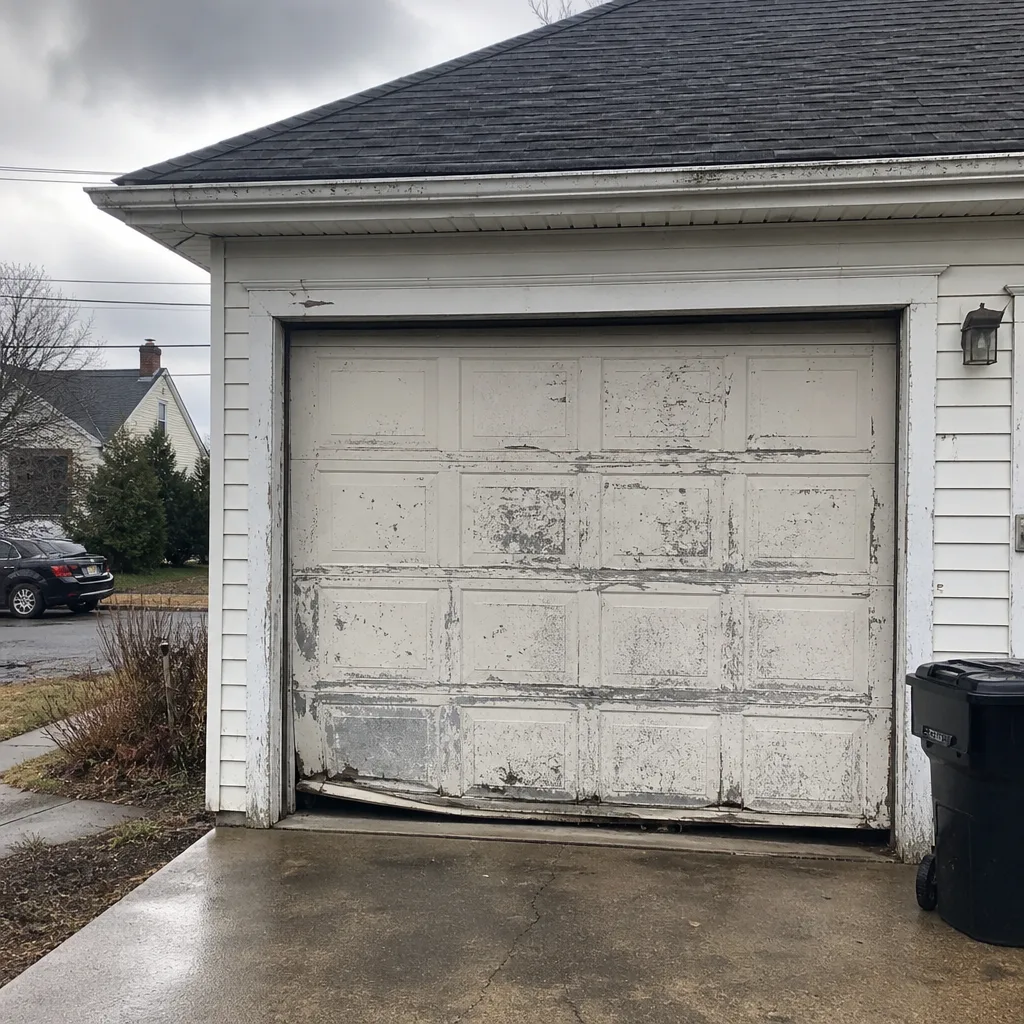 Before
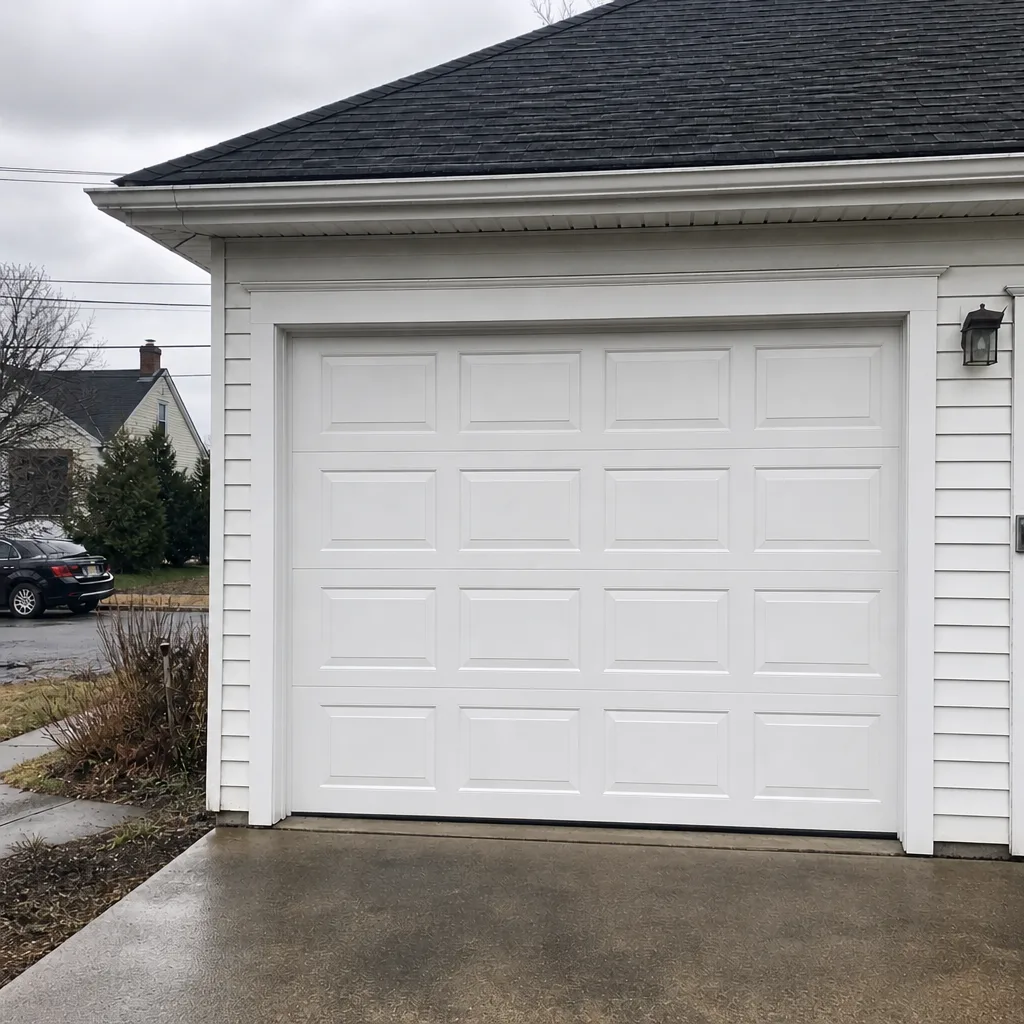 After
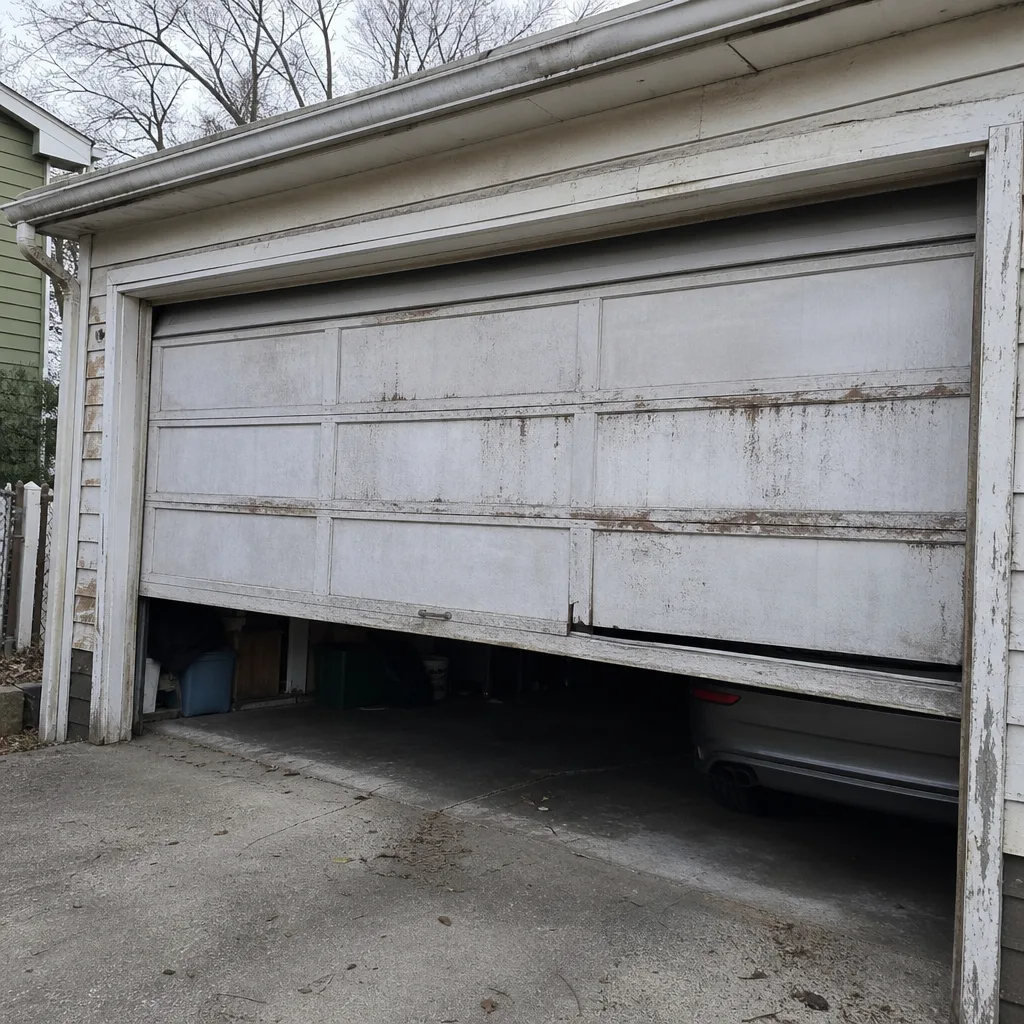 Before
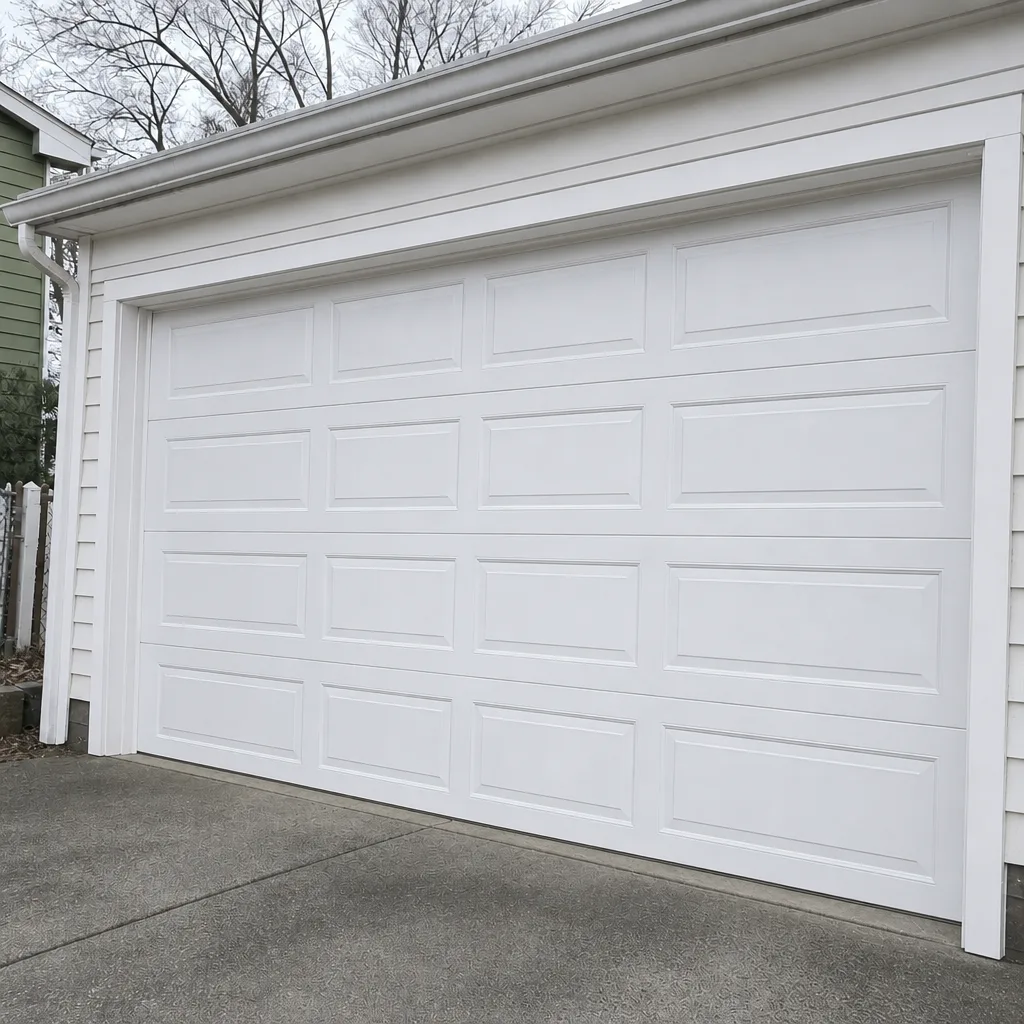 After
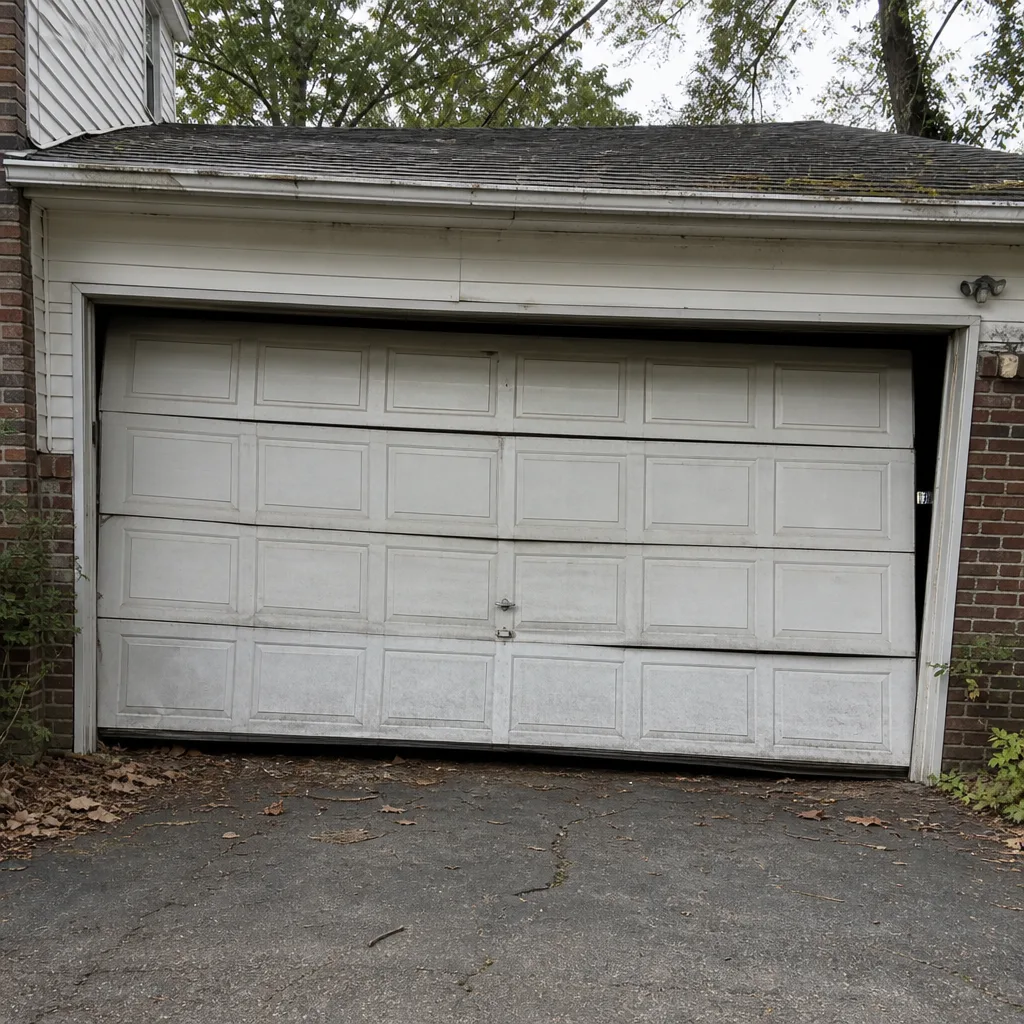 Before
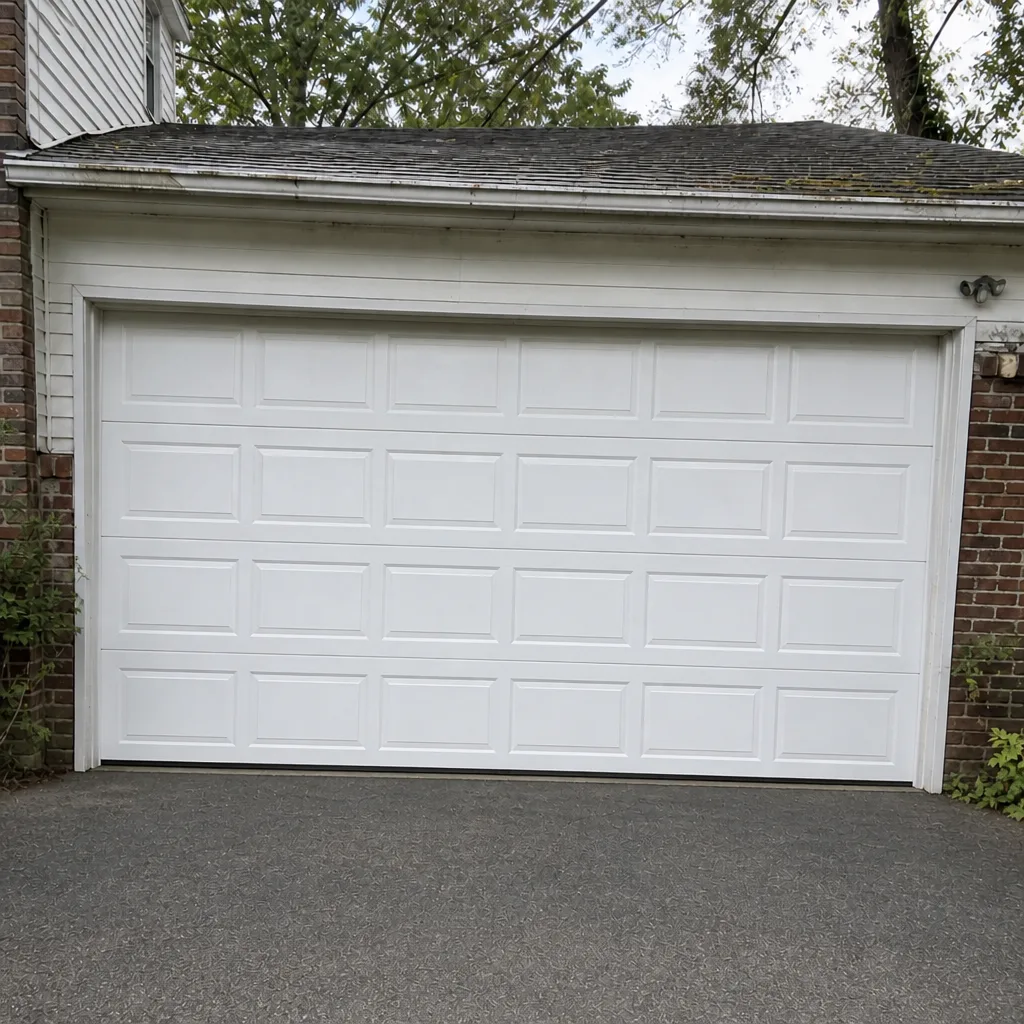 After
Frequently Asked Questions
No. Torsion and extension spring replacement is professional-only because those parts store the door’s full counterbalance force under tension, and releasing it incorrectly can cause a serious injury. Even with the right tools, this is a job that calls for specialist handling and training. Leave spring work to a professional and keep the door closed until it’s fixed.
Lubricating hinges and rollers, tightening loose bolts, replacing weatherstripping, cleaning the photo-eye sensors, and swapping remote batteries are all homeowner-safe. Testing the safety reverse is safe too, and it’s the most useful five minutes you can spend on your door each month. Anything that involves the spring, cables, or adjusting the door’s balance belongs to a professional.
It can, depending on what was done and what fails later. A professional repair with a written estimate creates a clear record of the work. Ask your insurer directly about how your policy responds to a claim on a self-performed repair, since policies vary. We can tell you what the mechanical risk is, and a licensed technician’s report gives your insurer something concrete to work with.
It depends on whether you need one spring or a matched pair, since most doors carry a pair that’s usually replaced together. The written estimate sets the price, and it should state clearly whether you’re quoted for one spring or the pair. Call (855) 658-5134 for an exact quote. Estimates are free.
Emergency calls are handled with fast dispatch from 7am to 7pm, Sunday through Friday, and our phones are answered 24/7. A call outside dispatch hours is booked into the next opening. A door stuck open is a security concern, and a door stuck shut traps your car, so call as soon as it happens and we’ll get you scheduled.
We work on the brand you already have across eight major manufacturers, including LiftMaster, Chamberlain, Genie, Clopay, Amarr, Wayne Dalton, Craftsman, and Raynor. That range covers the doors and openers most New Brunswick homes actually have installed. Call (855) 658-5134 for an exact quote. Estimates are free, and the price is agreed before any work starts.
The Bottom Line
The DIY vs professional question has a cleaner answer than it first seems. Handle the maintenance yourself: lubrication, tightening, weatherstripping, safety checks. Leave the springs, cables, and torsion assembly to a professional, because that work carries injury risk no tutorial can mitigate. Track and panel work sits in between, where preparation and the right tools decide the outcome. In older New Brunswick housing, the extra caution is about soft frames and out-of-plumb openings more than anything else. Call (855) 658-5134. We answer 24/7. Fast dispatch from 7am to 7pm, Sunday through Friday, and estimates are free.
Written by the team at New Brunswick Garage Door Repair Co.