
Last updated November 23, 2026
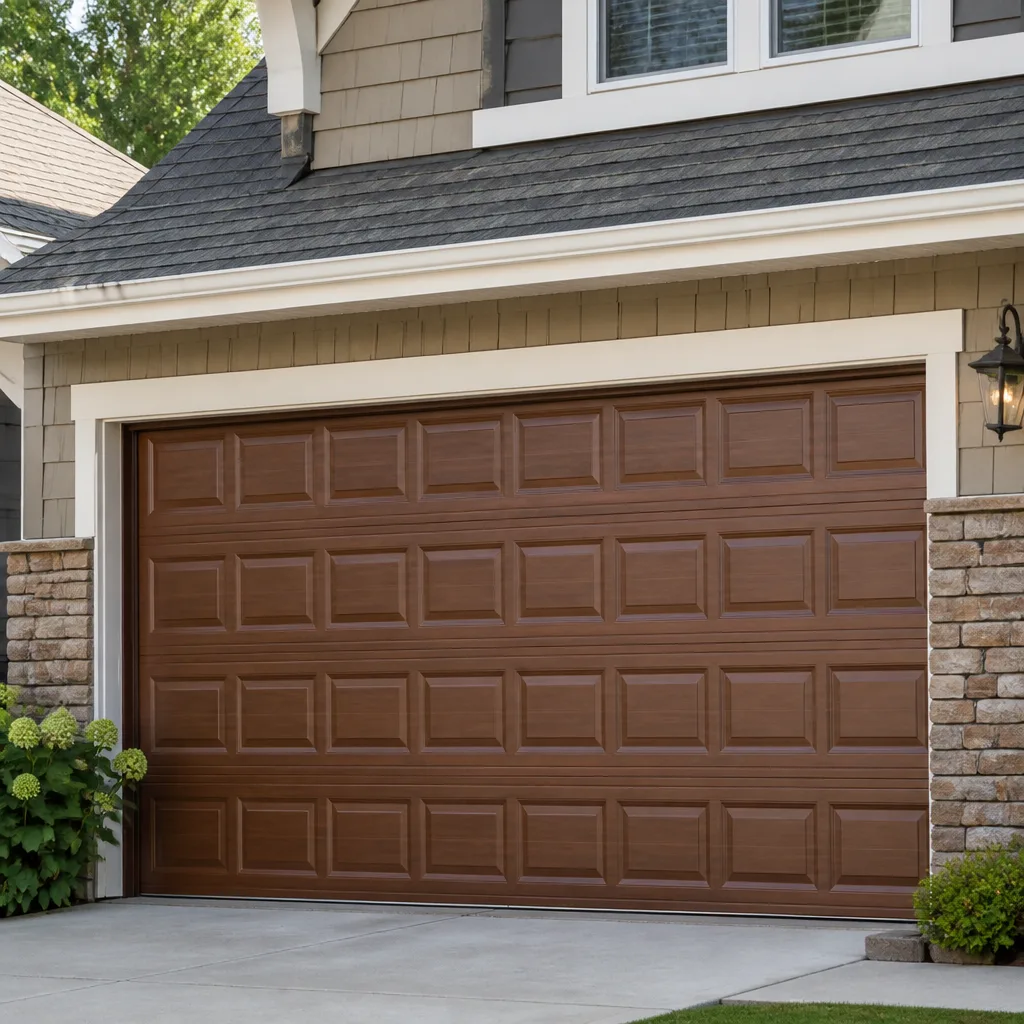 Raised-panel steel
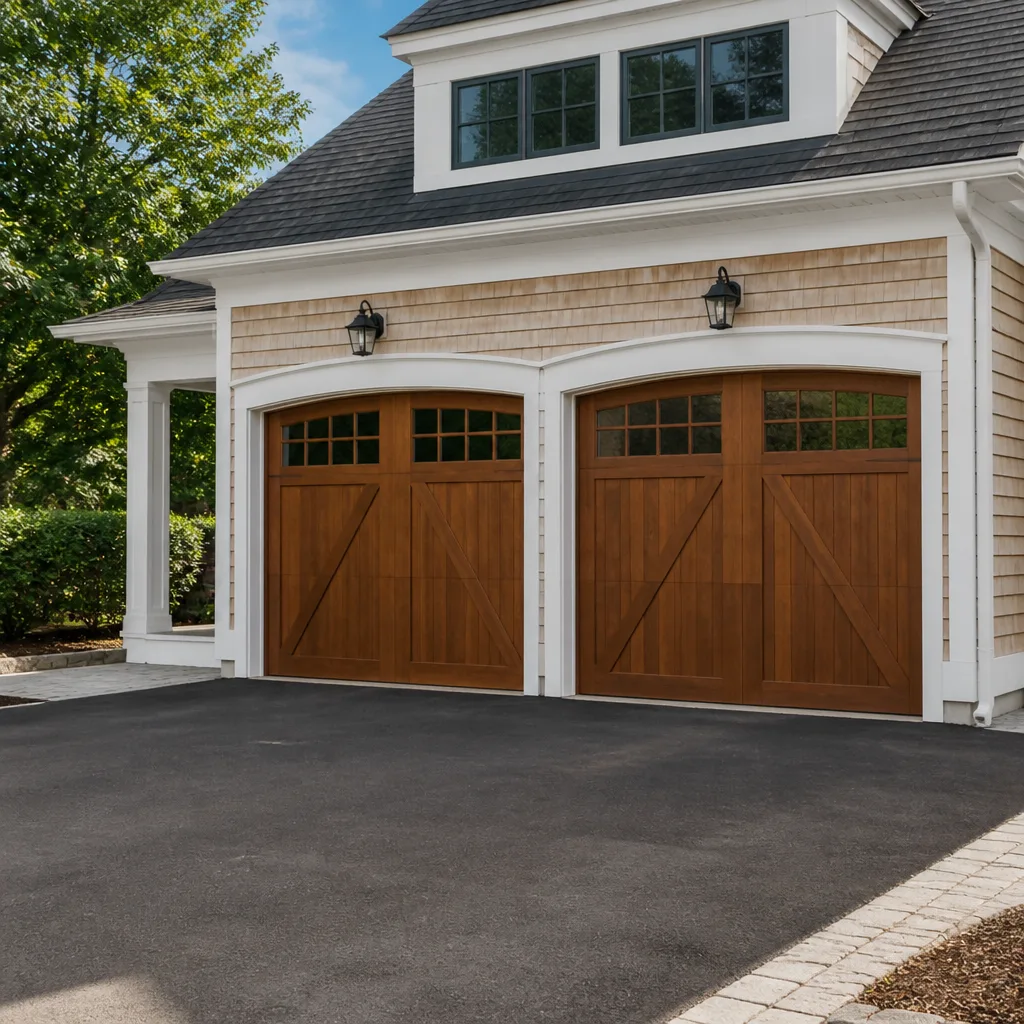 Carriage house
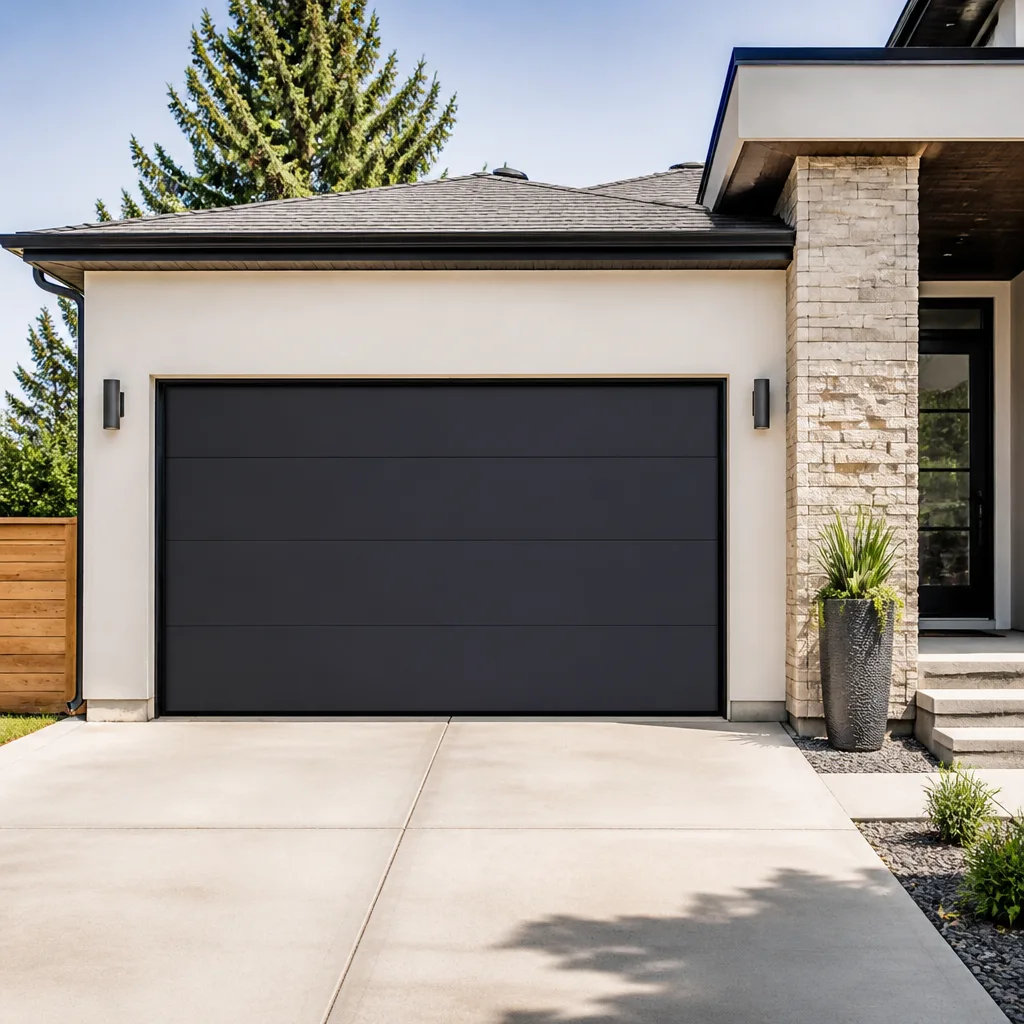 Modern flush
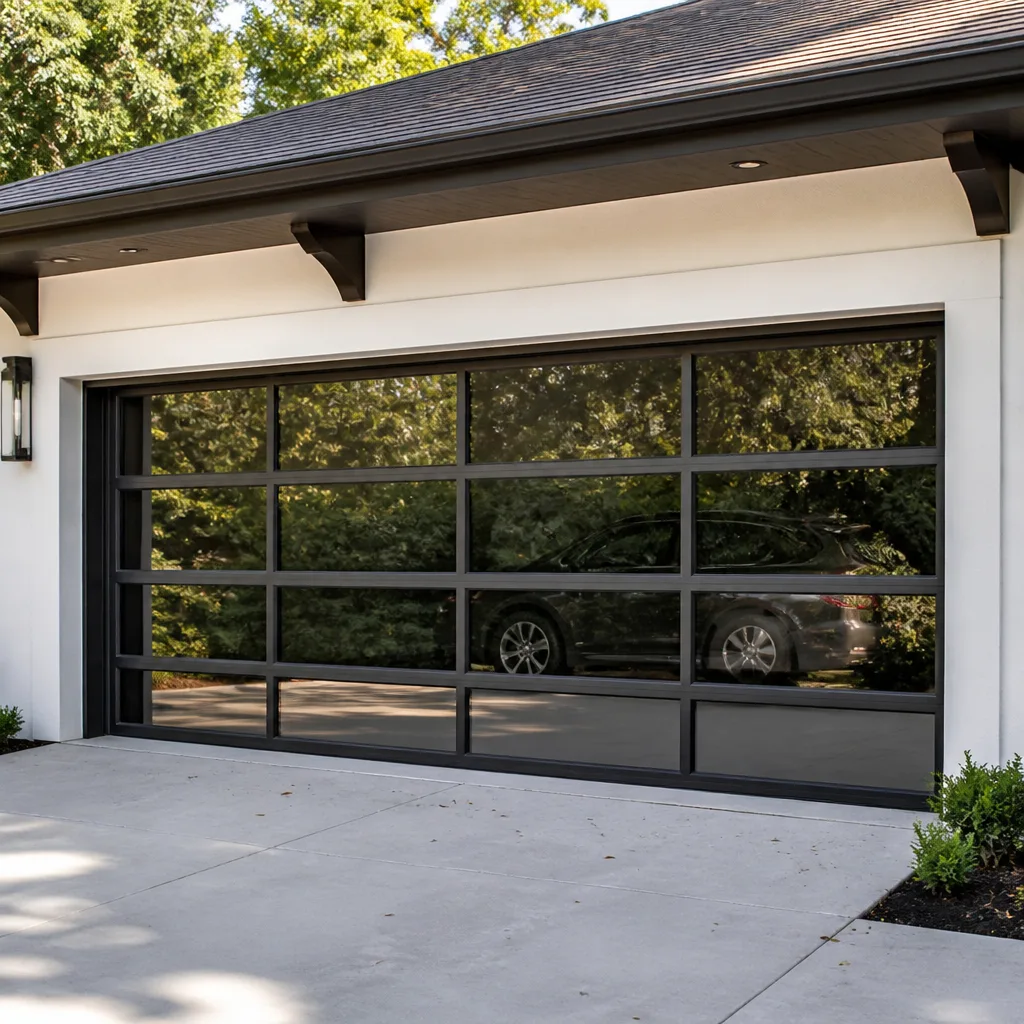 Full-view glass
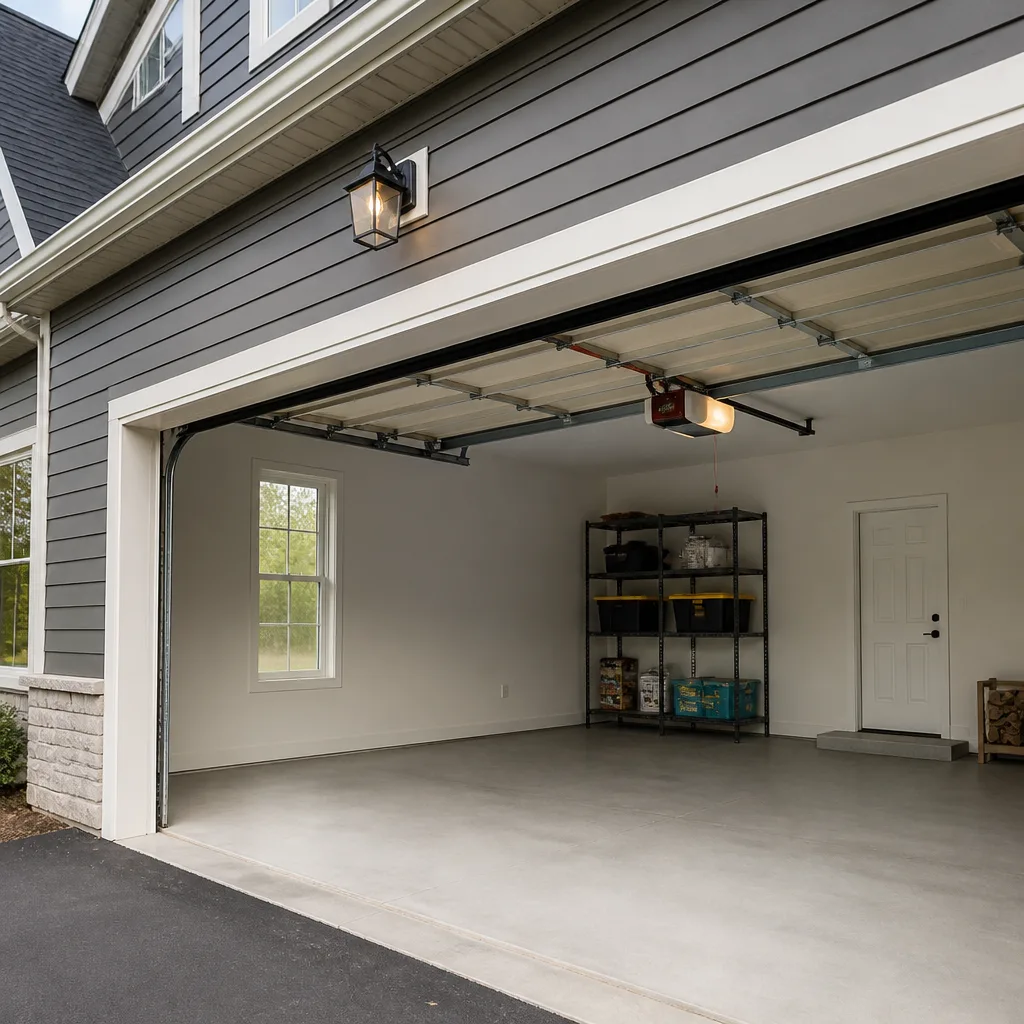 LiftMaster openers
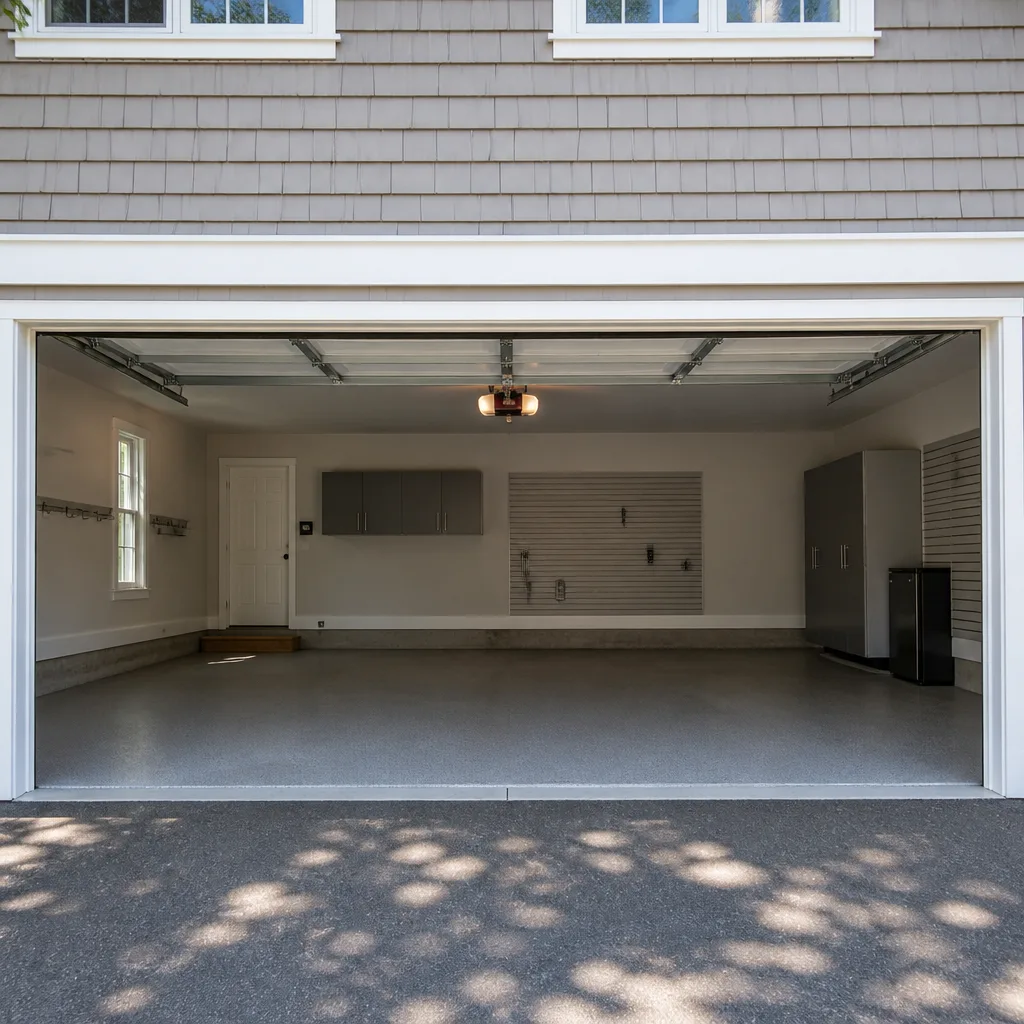 Chamberlain openers
Full 25-point door and opener safety check with every visit - springs, cables, rollers, tracks, and your LiftMaster or Chamberlain opener included
You get a price before we start. It does not change when the pro arrives.
Get your free estimateGarage Door Permits, Codes & Inspections in New Brunswick, NJ: What You Need to Know
The most common garage door paperwork mistake in New Brunswick isn’t hiring the wrong installer. It’s assuming there’s no paperwork at all. Plenty of homeowners treat a new door the way they treat a fresh coat of paint: buy it, install it, done. Then a closing, an insurance adjuster, or a neighbor’s inspector raises a hand and asks for the permit. What follows is a scramble through forms and a retroactive inspection that could have been avoided with one phone call. This guide explains when New Jersey’s construction code actually regulates a garage door, how New Brunswick’s Construction Office handles the review, what inspectors look for, and how the paperwork protects you long after the installers leave.
Quick Answer
A like-for-like garage door swap in New Brunswick usually doesn’t require a permit, but a replacement that changes the door’s size, structure, wind rating, or the framing around the opening is generally regulated work under New Jersey’s Uniform Construction Code. When a permit is required, you file with the New Brunswick Construction Office before work begins, and a final inspection issues a certificate of approval that becomes part of your property record. Insulated doors on attached garages may also fall under the state’s energy code.
Styles & brands we work with
- Raised-panel steel
- Carriage house
- Modern flush
- Full-view glass
- LiftMaster openers
- Chamberlain openers
Table of Contents
- Does a garage door replacement need a permit in New Brunswick?
- What the NJ Uniform Construction Code actually regulates
- How the New Brunswick Construction Office process works
- How long the permit and inspection take
- Energy code and insulated doors on attached garages
- What a garage door inspection looks like and what can fail
- How permit paperwork protects your home and your insurance claim
- Common mistakes to avoid
- When to call a professional
- Frequently asked questions
Does a garage door replacement need a permit in New Brunswick?
Sometimes yes, sometimes no. The honest answer depends on what kind of change you’re making. A straight replacement is a different animal from a modification, and the difference matters in New Brunswick because older homes near the Rutgers campus and in the Fifth Ward often have nonstandard garage openings that push an otherwise simple job into regulated territory.
Here’s the split we use when homeowners ask:
- Usually permit-free: a same-size, same-opening replacement of a standard sectional door where the header, tracks, and mounting points stay exactly as they were.
- Usually requires a permit: widening or narrowing the opening, cutting or modifying the header, changing the structural framing around the door, or replacing a single-car door with a door of different dimensions.
- Worth asking about every time: a door or opener upgrade that changes the wind-load rating, a conversion that removes or adds a door, or an insulated door on a garage that shares a wall with living space.
The precise rule is set by the New Jersey Uniform Construction Code and by the local construction official. We can describe what usually happens, but we can’t approve your job. That call belongs to the New Brunswick Construction Office, and it’s the first call to make if there’s any doubt. Getting a yes or a no from the official before ordering the door saves weeks.
What the NJ Uniform Construction Code actually regulates
New Jersey’s Uniform Construction Code administers the state’s adopted building, electrical, plumbing, fire, energy, and other subcodes. For garage doors, the triggers are easiest to understand as categories of work rather than a single checklist.
A garage door replacement typically becomes regulated work when it involves any of the following:
- Structural change. Trimming, sistering, or replacing the header above the opening. The header carries load, and moving it without a permit is a red flag on any future inspection.
- Opening size change. Going from a standard opening to something wider, taller, or offset, which changes the load path of the wall above.
- Wind or impact rating change. Installing a door rated for a different wind category than the original, or one intended to meet an impact requirement, which brings the installation under review.
- Adding or removing an opening. Turning a window into a garage door, or walling one off. This is clearly structural, and clearly a permit job.
- Energy code concerns. A new insulated door on a garage attached to conditioned living space may need to meet the energy subcode’s requirements for that assembly.
New Brunswick’s residential mix matters here. Homes in the Sixth Ward and along neighborhoods close to downtown include a lot of older, often brick-front garages with nonstandard openings. Those are the properties where a quick “like-for-like” replacement quietly becomes a structural conversation. If your opening has ever been altered, ask the construction official before you order anything.
How the New Brunswick Construction Office process works
The permit process in New Brunswick runs through the city’s Construction Office, which administers the UCC locally. You don’t file with the state; you file with the city. Here’s the rough shape of it, so you know what to expect when you call.
- Ask the question first. Call the New Brunswick Construction Office and describe the job, including any structural changes. Write down the answer and the name of the person who gave it.
- Gather the documentation. Expect to need at least a short description of the work, a diagram or drawing showing the existing and proposed conditions, and the brand and model specs for the new door. If you’re using a Wayne Dalton or Raynor door with published specifications, the manufacturer’s product data helps.
- Submit the application. The city will tell you which subcode applications apply – typically building, and sometimes electrical if an opener circuit or safety device is being installed or relocated.
- Pay the fee and wait for the permit issuance. Fees vary by job valuation and are set by the city’s fee schedule. The office can quote an amount for your specific job.
- Complete the work. The permit should be in hand before work begins. That’s the rule for regulated work, and starting early is one of the fastest ways to create trouble.
- Call for the inspection. When the door is installed, call the office to schedule the final inspection that produces the certificate of approval.
One detail worth knowing: the person pulling the permit can be the contractor or the homeowner. If your installer handles it, get the permit number in writing before the door goes up.
How long does the permit and inspection take in New Brunswick?
Plan for weeks, not days. Typical turnaround for a residential garage door permit in New Brunswick runs from a few days to a couple of weeks for the application to be reviewed and the permit issued, and the final inspection usually gets scheduled within a short window after you request it. The delay is rarely the paperwork itself; it’s how complete your application was and how loaded the office is at the time.
Two things speed the process:
- A complete application the first time. Missing product specs or an unclear drawing causes a rejection and resets the clock.
- A defined installation date. Some offices time the permit closer to the install. Having a scheduled start date helps.
For a replacement that isn’t regulated, you’ll get a verbal answer from the construction office that no permit is required. Write that down. Keep the date, the name, and the description of the work in your home file.
For the install itself, we take measurements, order the door, and schedule the work around the permit. That’s why we don’t quote a same-day install on a new door – the lead time for a door in the correct size and rated configuration is real, and the permit adds its own step. What we can promise is a free measure and a written price before anything is ordered. For a New Brunswick Garage Door Repair Co assessment of what your opening can accept, we’ll tell you plainly whether the job looks like a permit case.
Energy code and insulated doors on attached garages
Most of New Brunswick’s garages aren’t floating in a field. They’re attached to or under the house, and the wall between garage and living space is the boundary between conditioned and unconditioned space. That boundary is where the energy code starts to matter.
New Jersey’s energy code follows the IECC framework, and it addresses the garage-to-living-space separation. In practical terms:
- A garage door on an attached garage installed where an insulated assembly is part of the energy envelope may need to meet the code’s requirements for that assembly, which often means an insulated door with a documented U-factor or R-value.
- An uninsulated door is legal in many applications, but it matters when the garage shares significant wall with heated space and the inspector is reviewing the energy subcode.
- The door’s specs live on the manufacturer’s data sheet. Ask for the U-factor of the exact model before you buy, not after.
Where people get caught: they buy the door from a warehouse on sale without the spec sheet, the door installs fine, and then the energy subcode review asks for a number that isn’t on the paperwork. Whether you’re installing a Clopay or a Raynor on an attached garage in New Brunswick, keep the published specifications in the file. When a new door is part of a larger remodel, the energy code gets pulled into the permit review, and the door becomes part of that conversation.
What a garage door inspection looks like and what can fail
A garage door inspection is quick – typically 15 to 30 minutes – and it’s focused on the things that matter for safety and structural integrity, not on cosmetics. The inspector is not judging whether your door is pretty. They’re checking whether it’s safe, secured, and installed to the drawing that was approved.
Items that come up in almost every inspection:
- Fastening. The tracks, brackets, and header attachment are properly secured to sound framing.
- Track condition. Tracks are straight and level; the door runs without binding.
- Closing force and reverse function. An automatic door reverses on contact or on obstruction detection. If someone replaced an opener without adjusting this, it fails.
- Photoelectric safety eyes. Present, aimed at each other, and functioning. This is the single most common correction.
- Springs and cables. Springs are under tension, cables are intact, and nothing is compromised from an old or home-installed repair.
- Headroom and clearances. The door clears the tracks throughout travel and the opener sits within manufacturer specs.
- Energy compliance. For energy-subcode jobs, the assembly matches the submitted documentation.
The corrections we see most in Middlesex County:
- Safety sensors not aligned or not wired correctly, usually after a DIY opener install or a bad splice.
- Closing force out of range, because the opener was installed without adjusting the force according to its manual.
- Brackets fastened to hollow or rotted wood, which is common on older New Brunswick homes where the garage header has had years of water exposure.
- Track spacing that binds, often from an installer who reused old tracks on a new door of slightly different thickness.
- Missing or wrong product documentation for an energy-code job, so the inspector can’t verify the assembly.
Each of these can be corrected, but a correction means a re-inspection and another delay. Getting them right the first time is cheaper than getting them fixed under pressure.
How permit paperwork protects your home and your insurance claim
A permit produces a certificate of approval. That certificate is a legal record that the work was done to code by a job that was reviewed. It’s the difference between “we think it was installed properly” and “the city confirmed it was installed properly.” In a real dispute, that’s a meaningful gap.
Where the paper trail helps:
- Insurance claims after storm or impact damage. An adjuster reviewing a claim for wind damage to a garage door will look at the installation record. If the door was added or replaced without a permit, the claim can be slowed or challenged while the question of whether the door met code at install time gets sorted out.
- Selling the property. A title search turns up permitted work. A door that was never permitted can come up during closing as an open item requiring a retroactive permit and inspection before the sale can proceed. Escrows and delays follow.
- Future remodel or addition. If you ever convert the garage or add on top of it, the existing structure and openings get reviewed. A permitted door is a clean line in that review. An unpermitted one is a question.
- Warranty or manufacturer disputes. A manufacturer can argue that a door installed outside spec, without proper documentation, is out of warranty. The permit file supports your side.
This isn’t about avoiding blame. It’s about having an answer when someone else asks the question. The permit isn’t heavy, it’s short, and it stays with the house.
See the difference
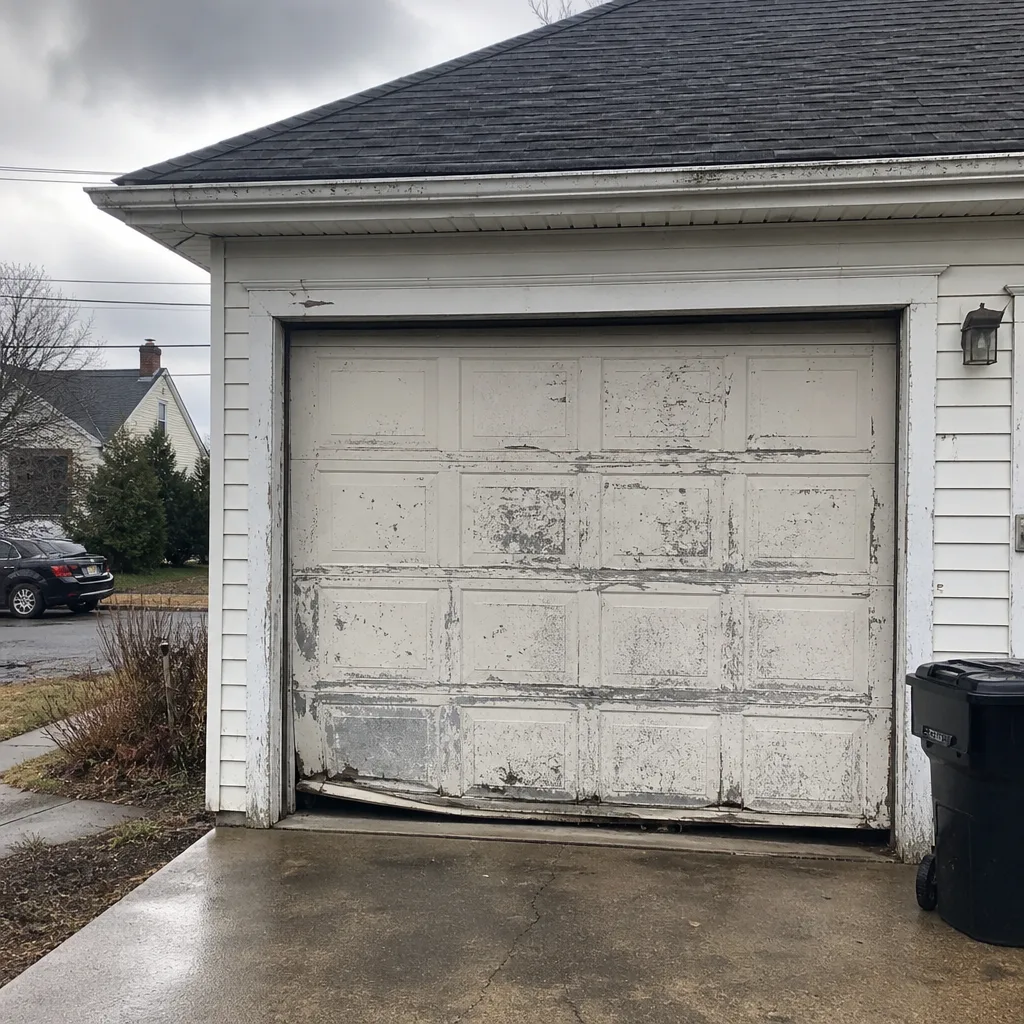 Before
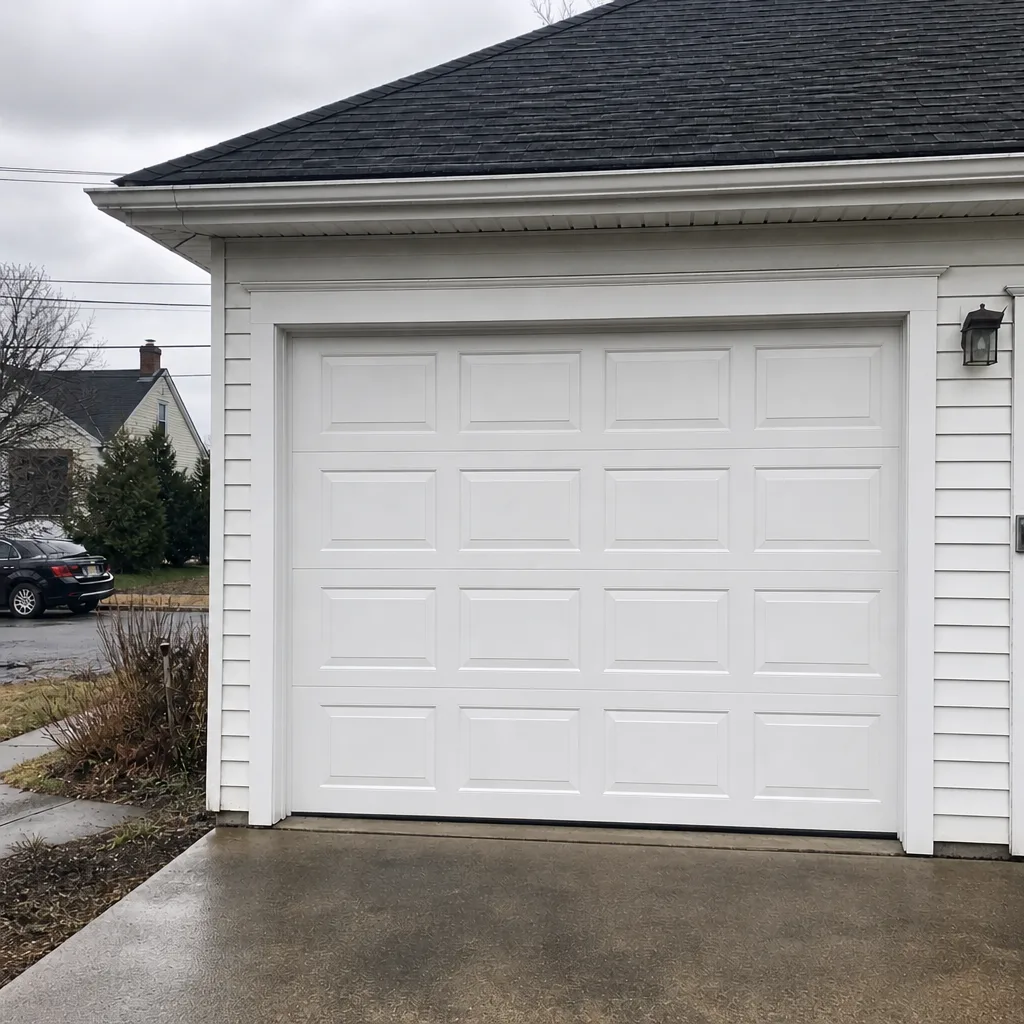 After
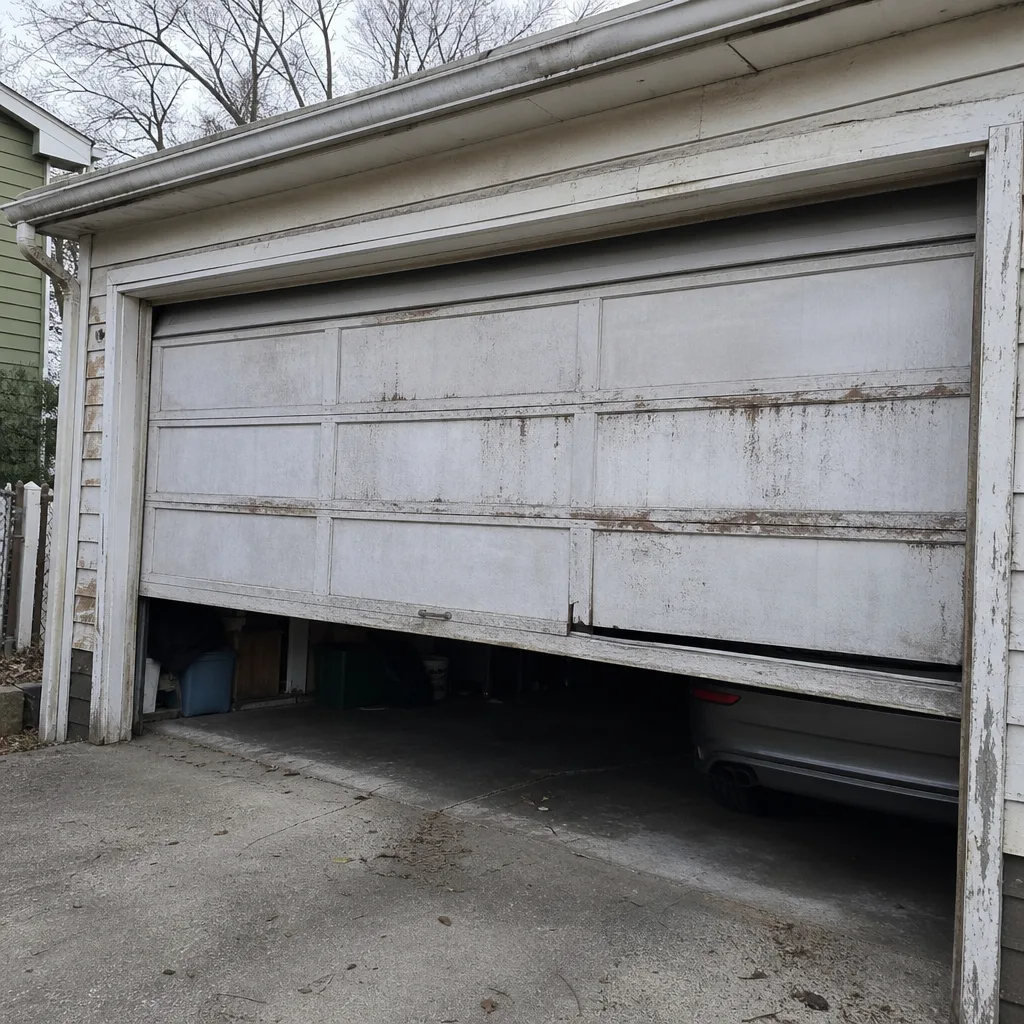 Before
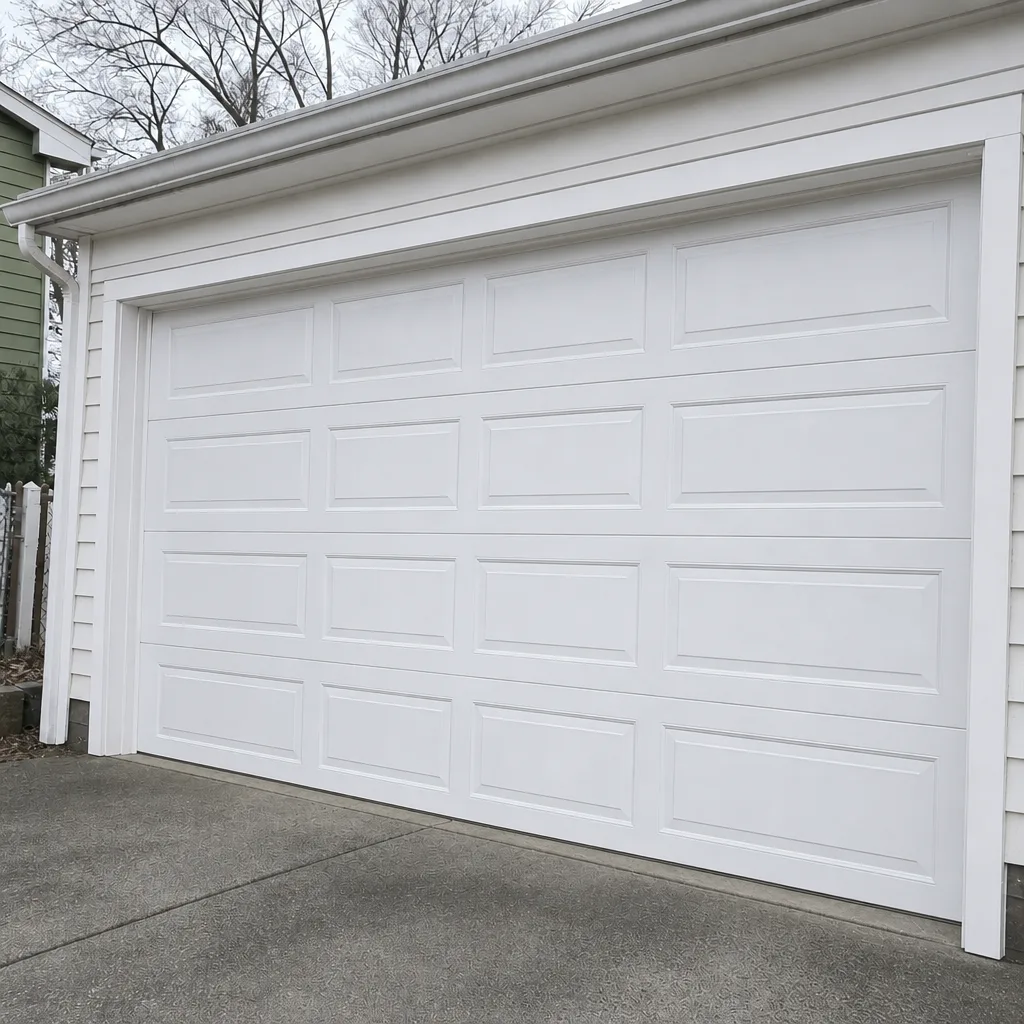 After
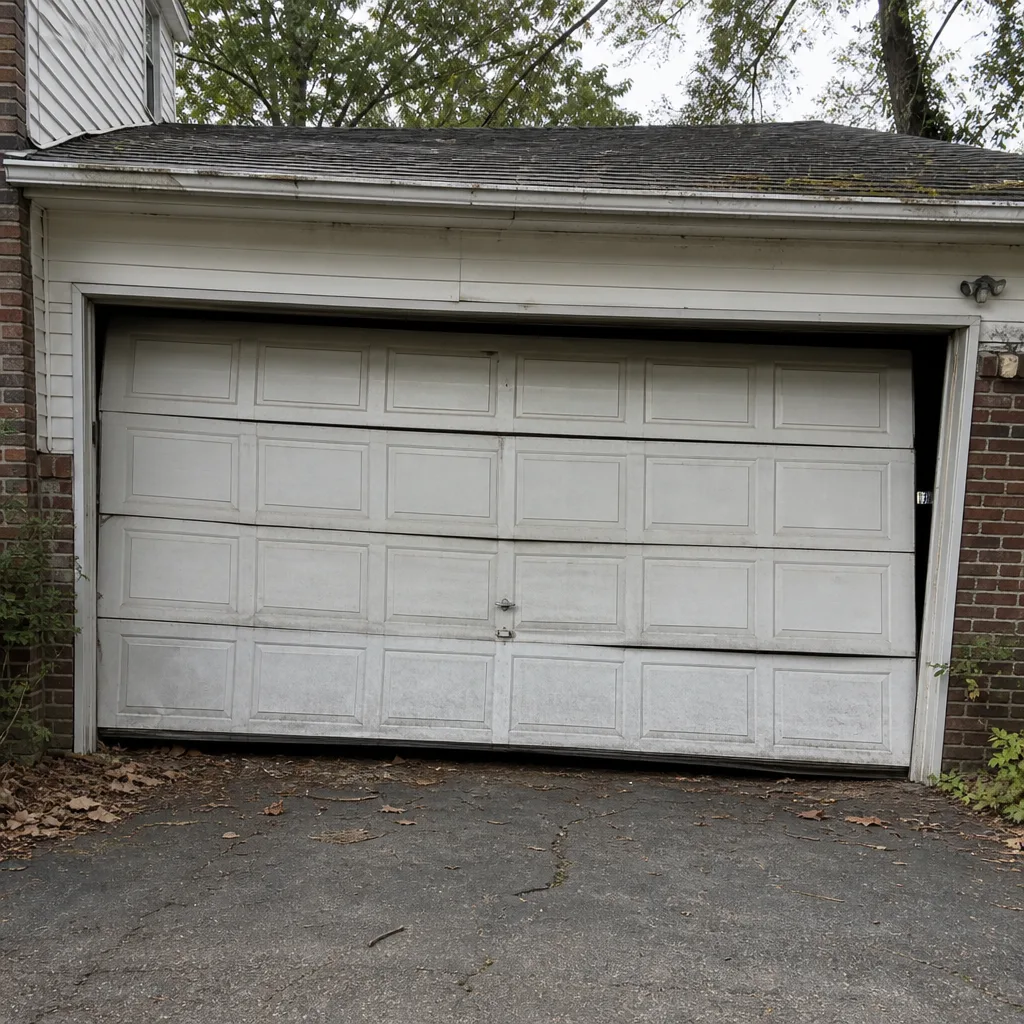 Before
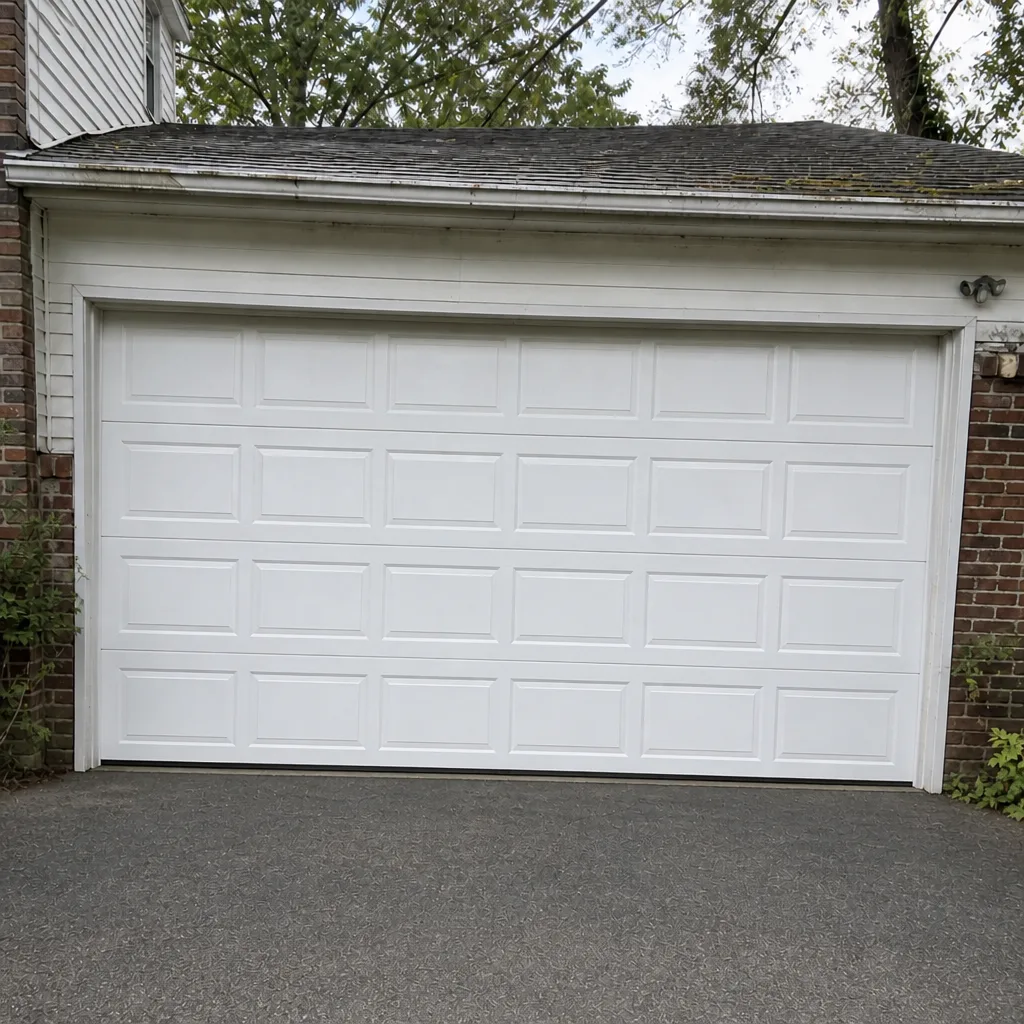 After
Do I need a separate permit for a new garage door opener?
Usually not, but the electrical side can complicate it. A simple replacement of an existing opener with a like-for-like unit on the existing circuit is typically not a permit job in New Brunswick. If the work involves running a new circuit, adding a disconnect, or relocating the opener to a different location that requires new wiring, ask the construction office whether an electrical subcode permit is required. If the opener is being replaced as part of a permitted door installation, the opener check generally folds into that inspection.
For garage door opener repair on an existing unit – a LiftMaster, a Chamberlain, a Craftsman, or a Genie – no permit is involved because the opener isn’t being replaced. That’s ordinary repair work, and it’s the kind of job we do every week. A repair keeps your existing opener, your existing safety devices, and your existing wiring. It’s when a new opener or new wiring enters the picture that the permit question comes up.
Common Mistakes to Avoid
- Assuming all replacements are permit-free. Most like-for-like swaps are, but any structural change to the opening isn’t. Ask the New Brunswick Construction Office before you order, not after.
- Skipping the permit to save time. A retroactive permit and inspection costs more time than pulling the permit upfront. And when a closing is on the calendar, that time matters.
- Letting the installer handle the permit without a written record. Get the permit number in writing before the door goes up. If the permit never existed, you want to know before the install, not after.
- Buying a door without the manufacturer’s specifications. The spec sheet is what the inspector uses to verify the assembly. Without it, an energy-code job fails on paperwork.
- Not calling for the final inspection. The permit isn’t finished until the certificate of approval is issued. A permit that was never closed shows up as an open item on a property record.
- Ignoring safety-sensor adjustment after a new opener. A DSB-adjacent detail on every inspection, and one of the easiest to fix before the inspector arrives. If you’ve ever replaced an opener yourself, get the sensors checked before inspection.
- Reusing old tracks on a new door. Tracks are matched to door thickness and weight. Reusing the old set is one of the most common reasons an otherwise fine install needs a correction.
When to Call a Professional
The permit is one thing; the installation is another. Both matter to the outcome. Call us when:
- You don’t know whether your planned replacement is permit-regulated, and you want a straight read on the opening before you order a door.
- Your existing springs or cables are compromised and you need a garage door spring repair before any replacement is safe to plan.
- You’re replacing a door on an attached New Brunswick garage and the energy-code side needs verifying.
- Your door is off-track, stuck, or not moving, and you can’t wait through a two-week permit window to get it working.
New Brunswick Garage Door Repair Co offers free estimates in New Brunswick – call (855) 658-5134. We answer 24/7. Fast dispatch from 7am to 7pm, Sunday through Friday. Our technicians have up to 10 years of experience, and we work on the brand you already have.
Frequently Asked Questions
Most same-size replacements don’t require a permit, but any replacement that changes the opening, modifies the header or framing, or changes the door’s wind or impact rating generally does. The safest answer for your specific job comes from the New Brunswick Construction Office, and it’s worth the phone call before you order a door. If you’d like a free measure and a written price first, call (855) 658-5134.
The city can require you to pull a permit after the fact, and the work gets inspected retroactively, which typically costs more time than pulling the permit upfront. The bigger risk is downstream: an insurance claim on the door, or a sale of the house, can stall while the paperwork is sorted out. The fix is a retroactive permit and inspection. The cost is delay, not catastrophe, but it lands at the worst possible time.
Permit fees in New Brunswick are set by the city’s fee schedule and depend on the job valuation, so there’s no single number to quote. The Construction Office can give you the amount for your specific job when you apply. What we can quote is the installation itself: the price is set per job by the written estimate, and nothing starts until you’ve approved that estimate. Call (855) 658-5134 for a free estimate.
Typically a few days to a couple of weeks from application to permit issuance, and the final inspection is usually scheduled within a short window after you request it. The single biggest variable is how complete your application is – missing specifications or an unclear drawing resets the clock. Budget for the permit before you schedule the install, and let the install date follow the permit.
Failed inspections almost always come down to a handful of fixable items: safety sensors that aren’t aligned or wired correctly, closing force out of range, brackets fastened to sound framing, track alignment, and documentation for an energy-code job. None of these usually requires replacing the door. They’re corrections that get re-inspected.
The local professional we connect you with is licensed and insured as their state requires. New Jersey’s UCC work is permitted through the New Brunswick Construction Office, and the installation itself follows the manufacturer’s published specs for your door and opener. If you have questions about a specific brand – LiftMaster, Chamberlain, Genie, Craftsman, Clopay, Amarr, Wayne Dalton, or Raynor – ask when you call, and we’ll tell you plainly whether we can service it. Call (855) 658-5134 to book a free estimate.
The Bottom Line
Garage door permits in New Brunswick aren’t the headache most homeowners expect. The headache comes from not knowing whether you needed one until someone else asks. Like-for-like replacements are usually clean; structural changes to the opening usually aren’t. When the door is on an attached garage, keep the manufacturer’s spec sheet with your home file. When a permit is required, file before the work begins, and schedule the final inspection so the certificate of approval lands on your property record. If you’re not sure which category your job falls into, ask the New Brunswick Construction Office. Then ask us to measure it, write a price, and get the right door on order. For garage door repair or a full replacement, we’re a phone call away. Call (855) 658-5134 for a free estimate. We answer 24/7. Fast dispatch from 7am to 7pm, Sunday through Friday.
Written by the team at New Brunswick Garage Door Repair Co.