
Last updated November 23, 2026
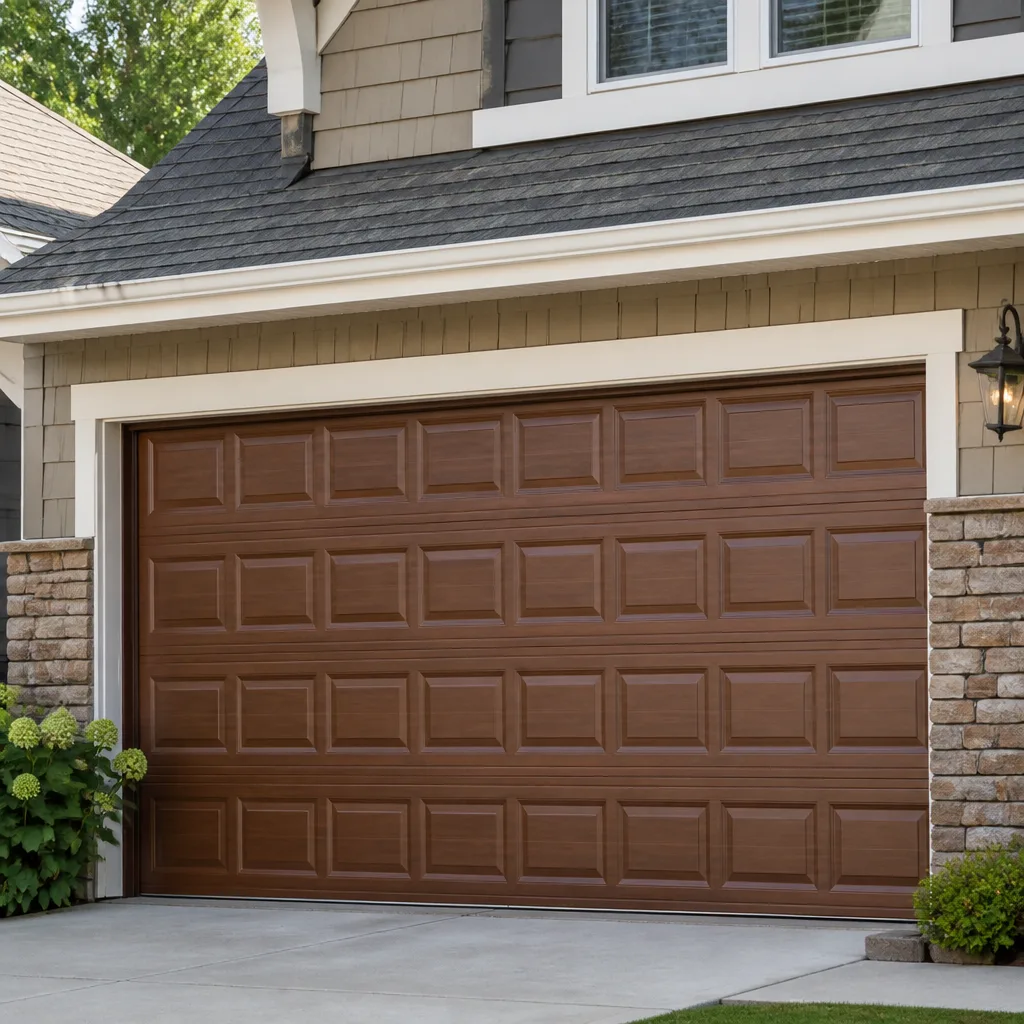 Raised-panel steel
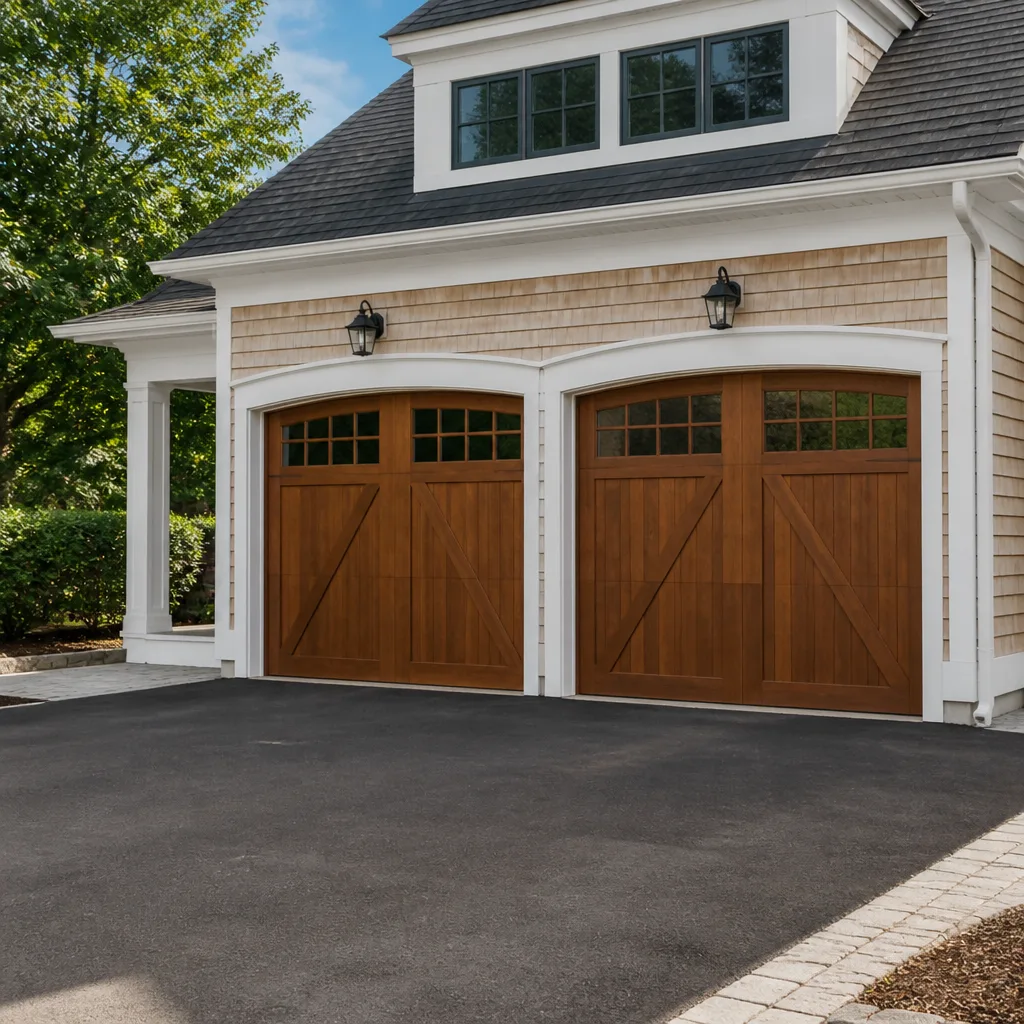 Carriage house
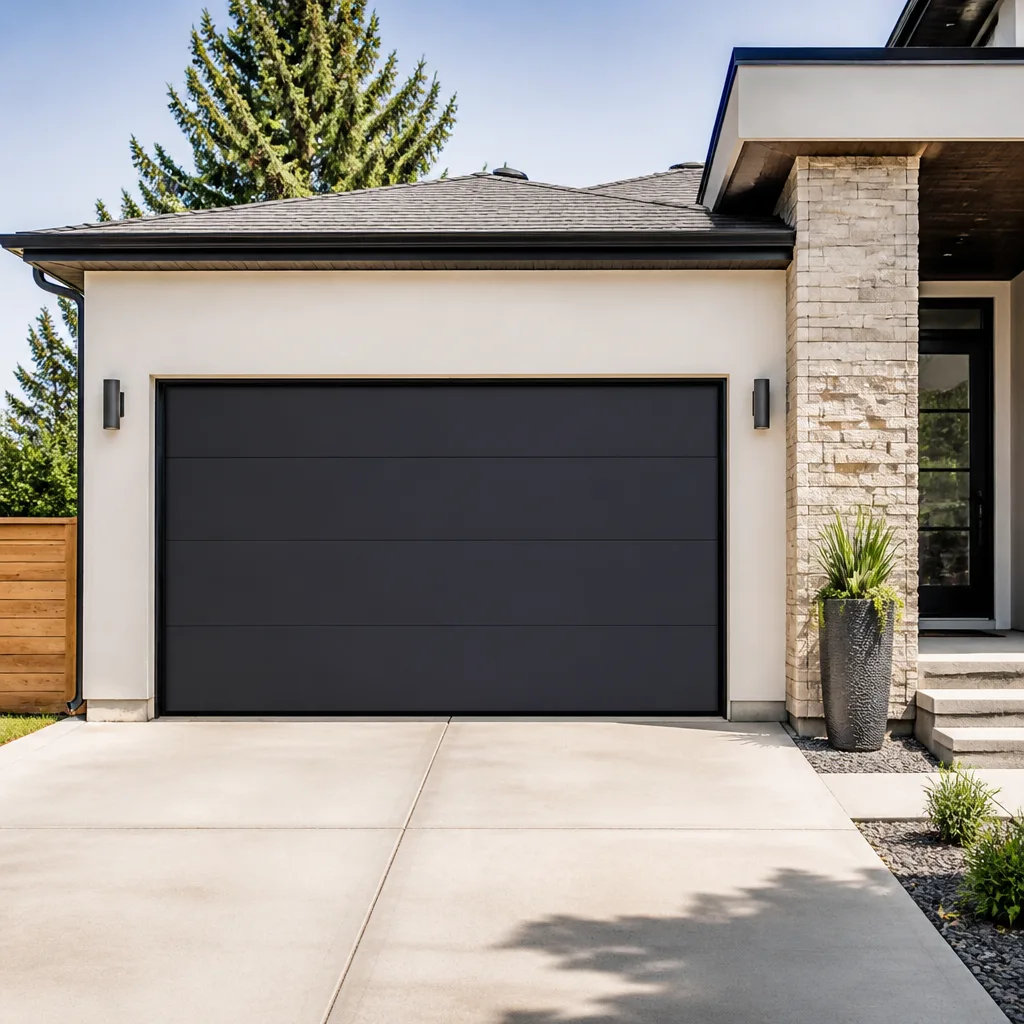 Modern flush
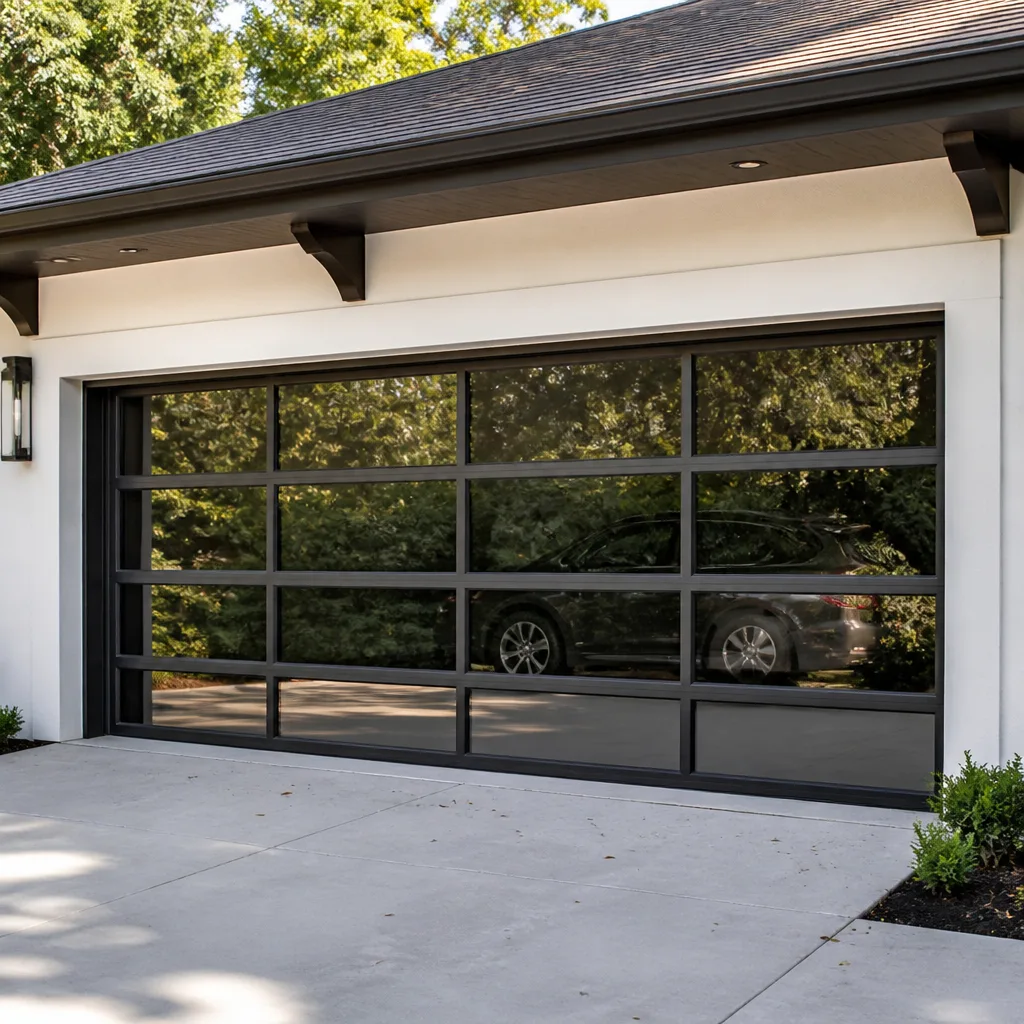 Full-view glass
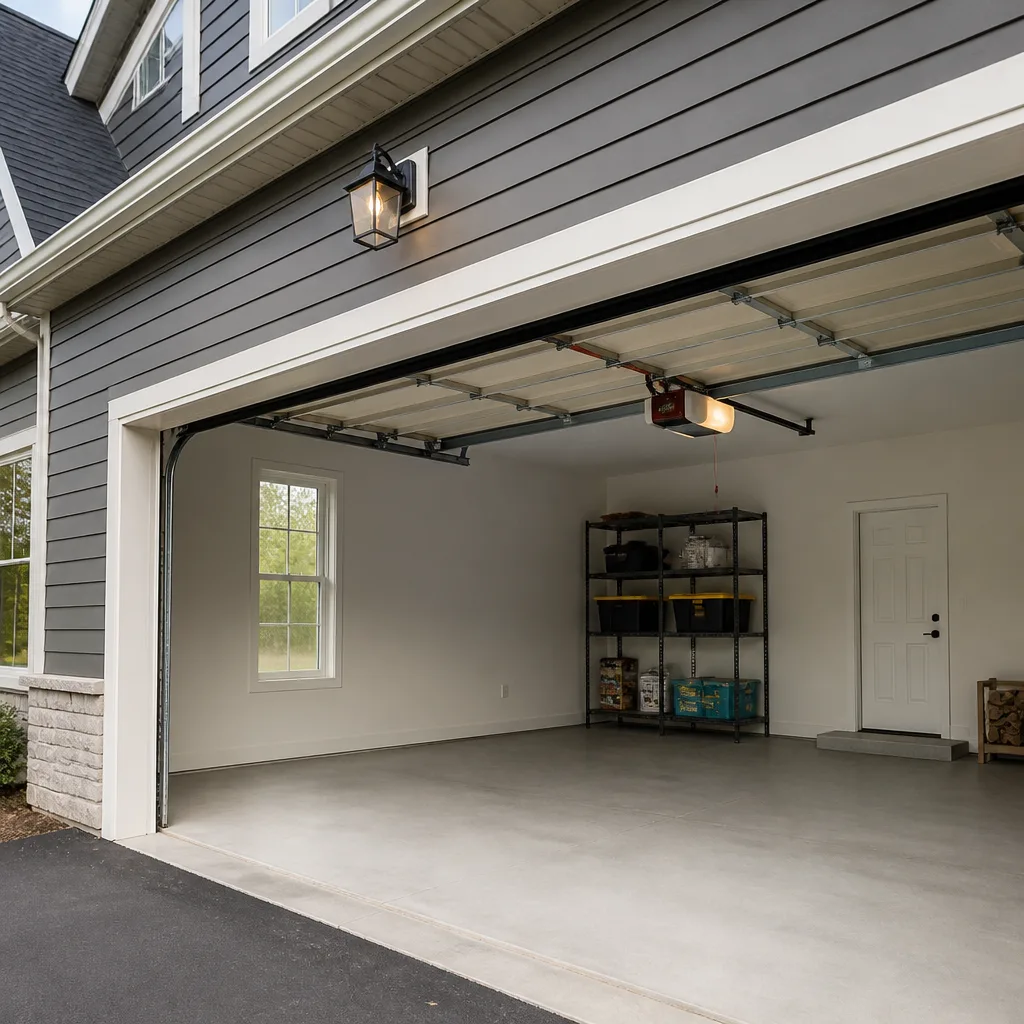 LiftMaster openers
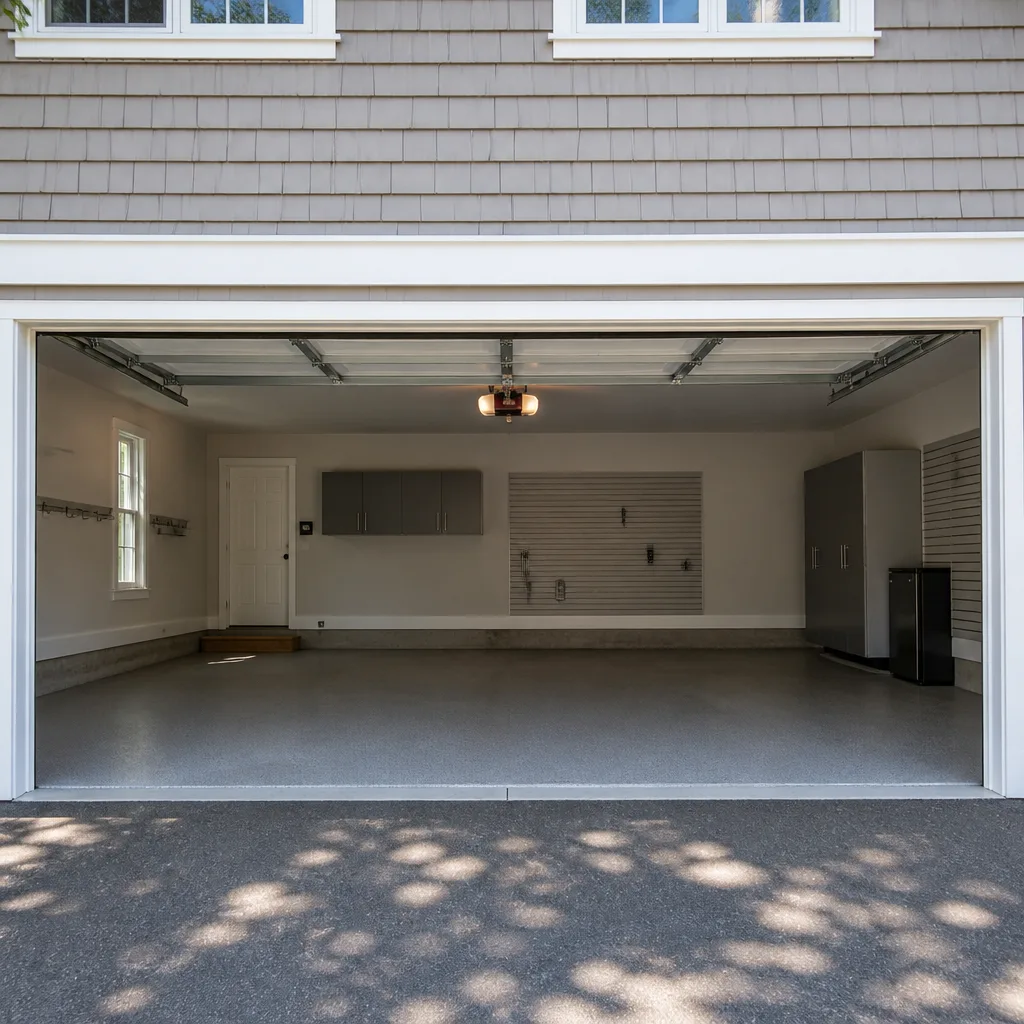 Chamberlain openers
Full 25-point door and opener safety check with every visit - springs, cables, rollers, tracks, and your LiftMaster or Chamberlain opener included
You get a price before we start. It does not change when the pro arrives.
Get your free estimateSeasonal Garage Door Care for New Brunswick: Year-Round Homeowner’s Guide
Most homeowners in New Brunswick assume January is the hardest month on a garage door. In our experience, it’s February. The reason is thermal cycling: repeated freeze-thaw swings stress steel springs and rubber seals more than sustained cold ever does, and central New Jersey gets more of those swings in late winter than anywhere else on the calendar. A door that survived a solid cold snap can fail the week the weather starts bouncing between 20 and 45 degrees. This guide walks through the year the way the risk actually curves in New Brunswick, month by month, so you can front-load the right maintenance before the failure window opens.
Quick Answer
Garage door care in New Brunswick follows a seasonal risk curve rather than a single spring cleaning task. Late February and early March are when spring and weatherseal failures peak because of repeated freeze-thaw cycling, while summer humidity drives wood door swelling and opener miscalibration, and fall is when seals need conditioning so they don’t freeze-bond to the concrete floor in January. Match your inspections to those windows and you’ll catch most failures before they strand the door.
Styles & brands we work with
- Raised-panel steel
- Carriage house
- Modern flush
- Full-view glass
- LiftMaster openers
- Chamberlain openers
Table of Contents
- The New Brunswick Month-by-Month Risk Calendar
- Fall Prep: Stopping the January Freeze-Bond Failure
- Winter Metal Fatigue and Why Spring Is the Wrong Time to Skip a Spring Inspection
- Summer Humidity, Wood Door Swelling, and Opener Calibration
- How to Winterize an Attached Garage Without Voiding Your Opener Warranty
- What Brand You Own Matters More Than You Think
- What to Check Each Month (and What Never to Touch)
- When a Seasonal Failure Turns Into an Emergency
The New Brunswick Month-by-Month Risk Calendar
Garage door components don’t fail evenly across the year. Each part responds to a different stressor, and in New Brunswick’s humid continental climate those stressors line up in a predictable order. Here’s the calendar we work from when we talk to homeowners about timing.
- January: Deep cold contracts metal and stiffens rubber. Watch for slow door travel, a seal that sticks to the floor, and opener strain from a door that feels heavier than usual.
- Late February to early March: The peak-risk window. Freeze-thaw cycling fatigues torsion and extension springs, and seals that froze to the concrete crack on the first warm morning. This is when most of the spring failures we see land.
- April to May: Pollen, grit, and debris get into tracks and rollers. Doors that sat all winter may run rough on the first warm week.
- June to August: High humidity swells wood panels and doors, opens panel gaps, and throws off opener sensitivity and travel limits. Lubricant also runs and attracts dust.
- September to October: The best window for preventive work. Temperatures are steady, seals are pliable, and there’s time to fix what winter will test.
- November to December: Cold returns. Balance, spring tension, and seal contact should already be sorted before the first hard freeze.
You don’t need to memorize it. Use it as a rhythm: heavy inspection in early fall, a light check in late winter, and a quick visual pass every month in between. If you’d rather have a trained set of eyes on it, our garage door repair visits start with exactly that kind of walk-through.
Fall Prep: Stopping the January Freeze-Bond Failure
The most common winter complaint we hear in New Brunswick isn’t a snapped spring. It’s a door that opens with a lurch because the bottom weatherseal has frozen itself to the concrete floor. Left alone, that freeze-bond tears the seal, lets cold air and moisture under the door, and strains the opener every morning. Fall is the only season where you can fix this before it happens.
Here’s the sequence that works in central NJ’s climate:
- Clean the bottom seal and the concrete beneath it. Dirt and grit hold moisture against rubber, and moisture is what freezes. A damp rag and a stiff brush along the floor line is enough.
- Condition the seal if it’s rubber or vinyl. A silicone-based garage door lubricant keeps the material pliable so it’s less likely to bond to cold concrete. Avoid petroleum-based products that degrade rubber.
- Check the seal for cracks, gaps, or a hard, brittle feel. A seal that’s lost its flexibility in October won’t survive January. Replacement is inexpensive and quick, and it’s the single best winter-prep task for a door in New Brunswick.
- Verify the door closes flush. If there’s a visible gap on one side, the door may be out of balance or the seal misaligned, and the low corner is where ice gets in first.
- Lubricate hinges, rollers, and the torsion bar bearings with a proper garage door lubricant, not WD-40. Cold thickens the wrong lubricant and makes the door harder to move.
None of this takes long. Done in October, it prevents the failure mode you’d otherwise be calling about in February. And if your seal is already shot or your door is running out of balance, that’s a good reason to book a fall service call rather than wait for the freeze.
Winter Metal Fatigue and Why Spring Is the Wrong Time to Skip a Spring Inspection
Torsion and extension springs are the components most affected by New Brunswick’s winter. The reason is thermal cycling. Steel expands and contracts with temperature, and repeated freeze-thaw swings put a spring through thousands of tiny stress cycles in a single central NJ winter. Sustained cold is hard on springs, but cycling cold is harder, and February delivers more of it than any other month.
By the time the ground thaws and homeowners start thinking about spring cleaning, the springs have already absorbed the worst of the season. That’s the wrong time to defer an inspection. If a spring is showing the signs of fatigue, waiting until the calendar says “spring” means you’re betting the door survives the last few cold snaps and the first warm week when it’s most likely to snap.
What a spring inspection actually looks for
- Visible gaps, kinks, or stretched sections on extension springs
- Rust or corrosion at the coils, which concentrates stress and speeds failure
- A torsion spring with a visible gap in the coil (a sign it’s already broken and the other spring is carrying the load)
- Lift effort: a door that feels noticeably heavier than it did last season points to spring fatigue
- Uneven opening, where one side lags
Springs are under extreme tension at all times, and a torsion spring can fail without warning while you’re looking at it. This is not a DIY repair. We handle it as a standalone, safety-critical job precisely because a tired spring is dangerous to inspect, let alone remove. If a spring is broken or badly fatigued, our garage door spring repair service replaces it with the door properly de-tensioned first. Springs are typically replaced in matched pairs, so expect to replace both sides together even if only one has failed.
Summer Humidity, Wood Door Swelling, and Opener Calibration
New Brunswick’s humid continental climate is hardest on wood doors in July and August. Wood absorbs moisture from humid air, panels swell, and the gaps between them close up. What looks like a minor cosmetic change is often the start of a functional problem: swelled panels can bind in the tracks, and a swollen door sits differently at the bottom seal, letting in air and insects.
What to watch for in summer
- Panels that stick or rub against the frame on opening
- Visible gaps closing between panel sections, or a door that sits higher than usual
- Bottom seal gaps that appear in humid months and disappear in dry weather
- An opener that reverses unexpectedly or stops mid-travel, because the door’s weight and resistance have changed
Humidity also affects openers. Modern units from LiftMaster and Chamberlain use force-sensitivity limits to detect obstructions, and a door that’s heavier or binds a little in humid weather can trip those limits and reverse when there’s no actual obstruction. A trained technician recalibrates the force and travel limits to match the door’s current condition. That’s a straightforward fix and one that’s often misdiagnosed as an opener failure. If your opener reverses unpredictably, garage door opener repair starts with checking the door itself before blaming the unit. If you own a Craftsman or older chain-drive unit, the same logic applies.
How to Winterize an Attached Garage Without Voiding Your Opener Warranty
An attached garage shares a wall with the house, so a poorly sealed door isn’t just a cold room, it’s a heat loss point. But improper winterization, especially adding aftermarket weatherstripping or a rigid bottom seal, can interfere with the door’s travel and trip the opener’s safety reverse, which can be a warranty issue. The safe approach is to improve the seal without changing the door’s balance or the opener’s force profile.
- Replace the bottom seal with the correct manufacturer-profile seal. A seal that matches your door’s track and bottom retainer fits right and doesn’t change the door’s travel.
- Check the side and top weatherstripping for gaps or stiffening. Replace worn strips as a matched set along the frame, not with random widths that might bind the door.
- Do not add weight to the door or change spring tension to “compensate” for a thicker seal. That’s the step most likely to unbalance a door and force the opener to work outside its rating.
- Have the opener’s force and travel limits checked after any seal change. A properly calibrated opener from any of the major brands will keep working correctly; an over-tightened one will wear out faster or trip the safety reverse.
- Keep the space above the door (the header) sealed as well. It’s an easy cold draft to overlook.
The result is a warmer room, a door that doesn’t bind, and a warranty that stays intact because nothing about the door’s mechanics was altered outside spec. If you’re not sure what your door’s original seal profile is, we can identify it from the retainer and match it.
What Brand You Own Matters More Than You Think
The right maintenance depends on what you actually have. A Wayne Dalton wood-composite door responds differently to summer humidity than a Clopay steel door. A Raynor torsion system is set up differently from a genie chain-drive opener’s force calibration. This is why we work on the brand you already have rather than defaulting to a replacement.
- LiftMaster and Chamberlain: Force-sensitivity and travel limits are the two main adjustments for summer humidity and winter cold. Both need to match the door’s current resistance.
- Craftsman: Older units in New Brunswick homes often still work well, but they’re more sensitive to door balance issues than newer models. Fix the door before blaming the opener.
- Wayne Dalton and Raynor doors: Panel swelling and seal gap issues in humidity, and spring fatigue in winter, are the two main seasonal concerns.
- Genie: Chain and belt wear shows up in cold weather as slow or jerky travel. If your opener is straining in January, the door’s balance is the first thing to check.
We handle all eight of the most widely installed residential garage door and opener brands, which means when we arrive we’re not guessing at the model. Diagnosed right, fixed once. Our technicians have up to 10 years of experience with this exact range.
What to Check Each Month (and What Never to Touch)
You don’t need to do much, and most of it takes ten minutes. Here’s the monthly habit, plus the parts that belong to a professional.
Do this yourself
- Run the door from fully closed to fully open and listen for grinding, squealing, or a lurch.
- Feel for even lift force on both sides as it opens (a lagging side means balance or spring trouble).
- Look at the bottom seal for cracks, tears, or a gap from the floor.
- Check the tracks for visible bends or debris; clear leaves and grit from the floor line.
- Test the safety reverse by placing a small object in the door’s path and confirming it reverses (follow the opener’s manual for the correct test).
- Lubricate hinges, rollers, and the torsion bearings with garage door lubricant once or twice a season.
Leave these to a trained technician
- Adjusting or replacing torsion or extension springs (high tension, high injury risk)
- Adjusting opener force or travel limits if you’re unsure of the calibration
- Track straightening after an impact or apparent misalignment
- Replacing a torsion bar or de-tensioning the system for any reason
The safety test is the one to take seriously. If the door doesn’t reverse, stop using it and call for service. A door that doesn’t reverse reliably is a genuine injury risk and not something to “keep an eye on.”
When a Seasonal Failure Turns Into an Emergency
Most seasonal issues give warnings: a seal that’s getting stiff, a door that feels heavier, an opener that reverses once. Some don’t. When a spring snaps or a door comes off its track, the door isn’t just inconvenient, it can be stuck open (a security problem) or stuck shut (blocking a car). Emergency garage door service exists for exactly this. In our experience, the calls that arrive in New Brunswick in late February and the first cold week of December follow the same pattern: a tired spring or a cracked seal that gave way at the worst time.
What you can do while you wait: don’t force the door, don’t try to close a door with a broken spring, and don’t stand under it if it’s hanging. If the door is open and unsafe, keep people clear of the opening until a technician arrives. We answer 24/7. Fast dispatch, 7am-7pm, Sunday through Friday.
Common Mistakes to Avoid
- Waiting until spring to inspect the springs. The worst winter cycling happens in late February, and a fatigued spring that survived January is most likely to fail in the first warm snap. Inspect in fall.
- Using WD-40 or oil on the door’s moving parts. It’s a solvent, not a garage door lubricant, and it thins out in cold weather, making tracks and rollers harder to move in January.
- Ignoring the bottom seal in fall. New Brunswick’s freeze-thaw cycles bond a stiff or dirty seal to the concrete floor and tear it on the first cold morning. Clean and condition it in October.
- Adding weatherstripping or a thicker bottom seal without checking the opener. Changing the seal’s thickness changes how hard the door closes, and can trip the opener’s safety reverse or wear the springs unevenly.
- Blaming the opener for what the door is doing. A door that reverses in summer humidity is usually a door problem, not an opener problem. A new opener won’t fix a binding door, it just hides the issue for a while.
- Forcing a door that’s frozen to the floor or off balance. Pulling hard on a door with a frozen seal strains the opener and the spring; addressing the seal or spring first is cheaper and safer.
- Treating spring work as a weekend project. Torsion and extension springs are under extreme tension. A snapped torsion spring can whip an end. We handle spring work with the door properly de-tensioned, and we strongly recommend every homeowner do the same.
See the difference
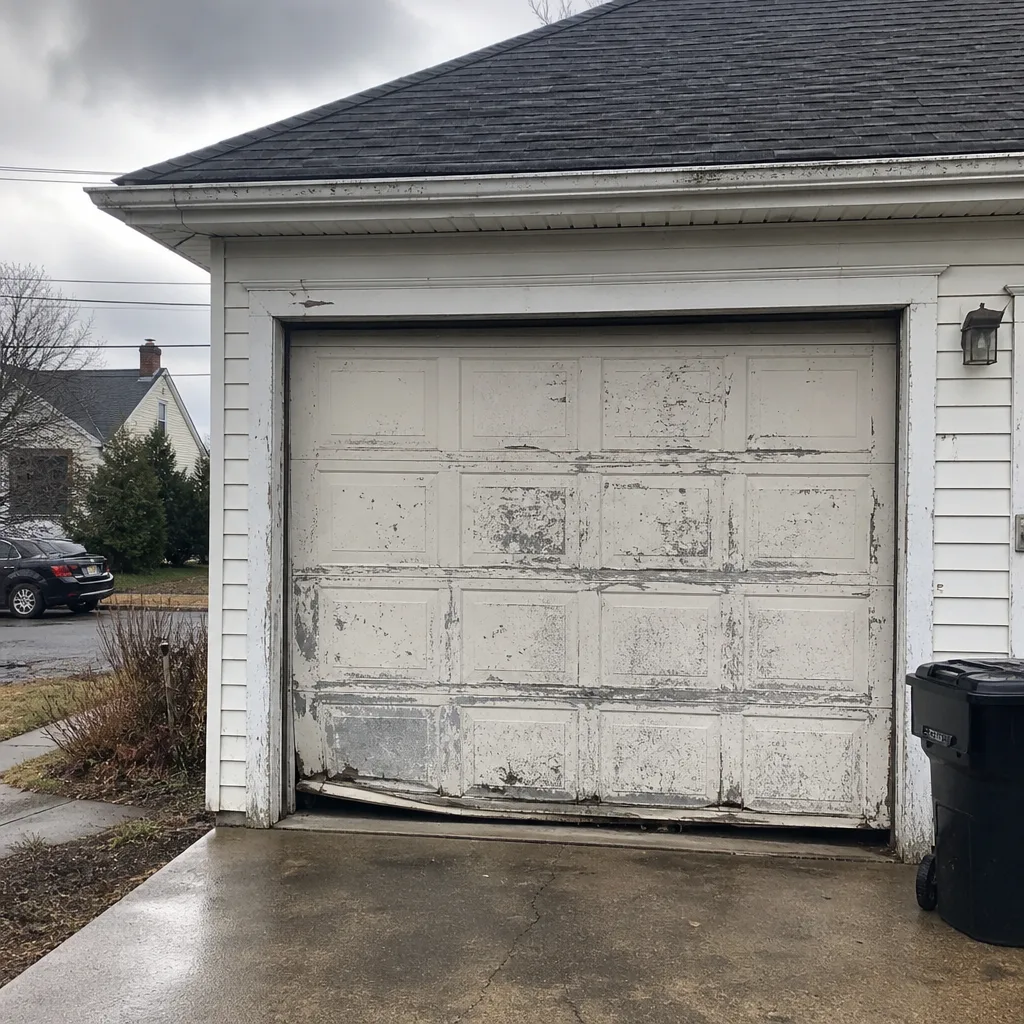 Before
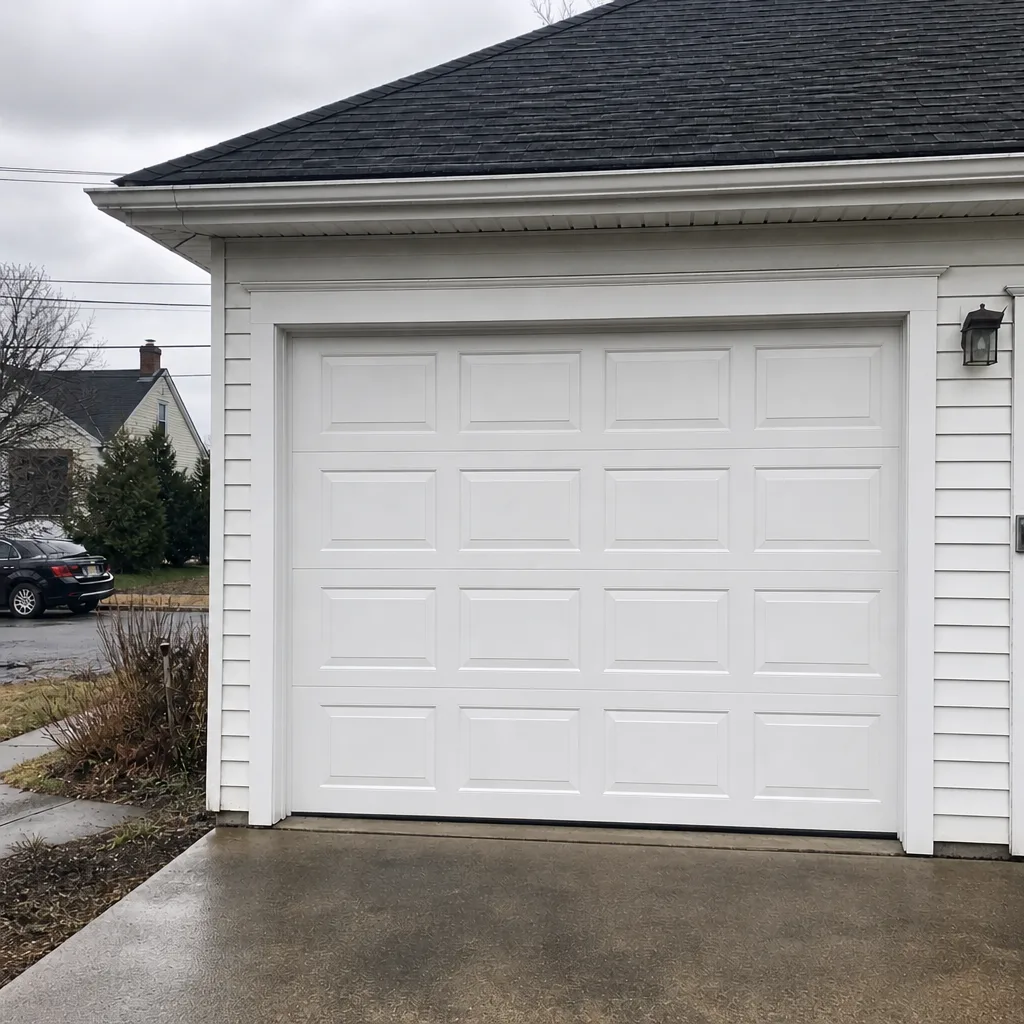 After
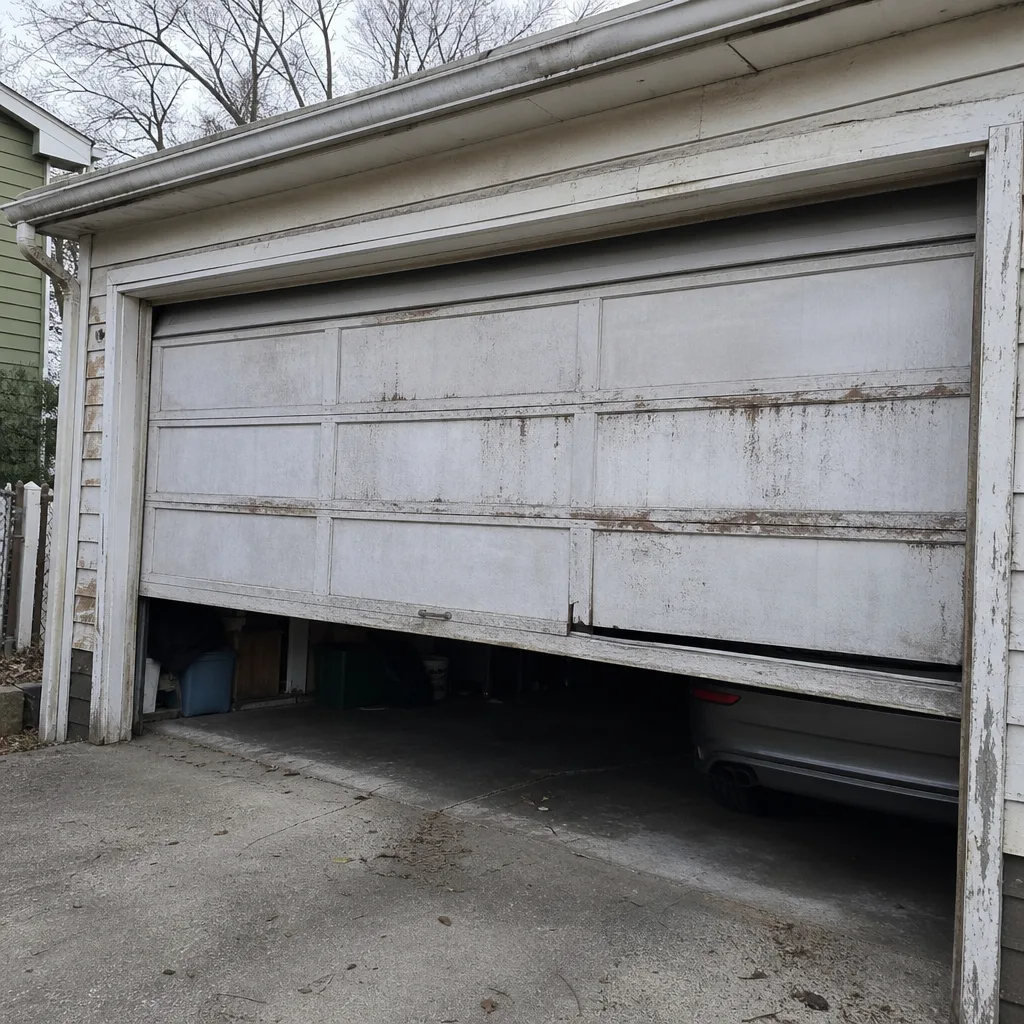 Before
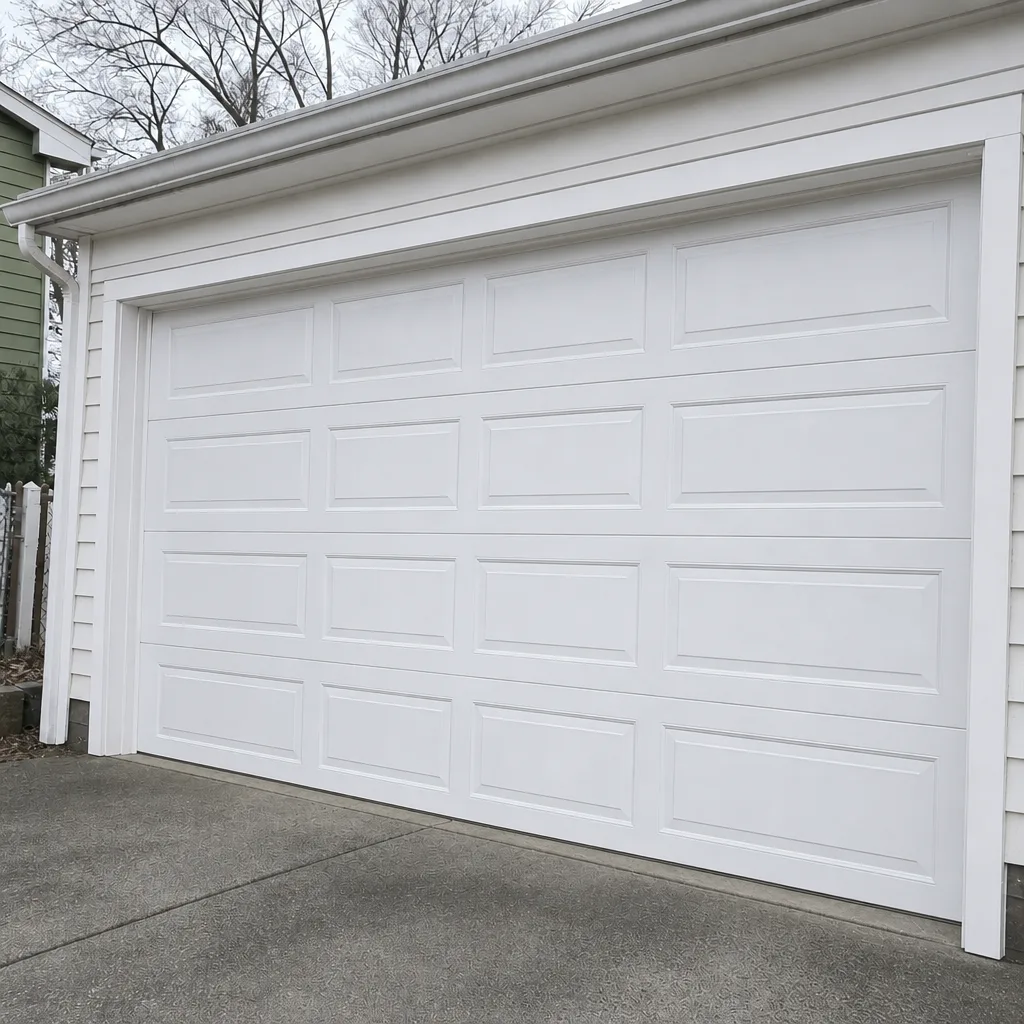 After
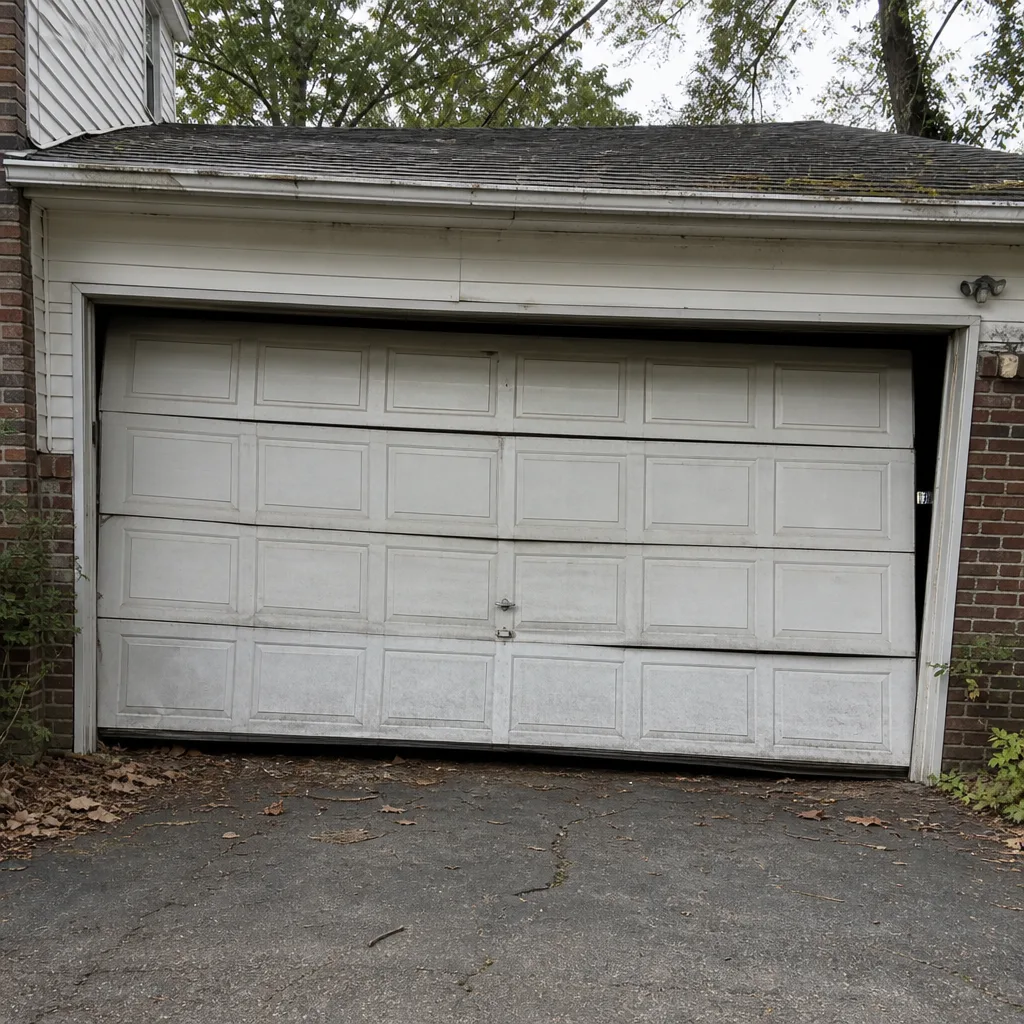 Before
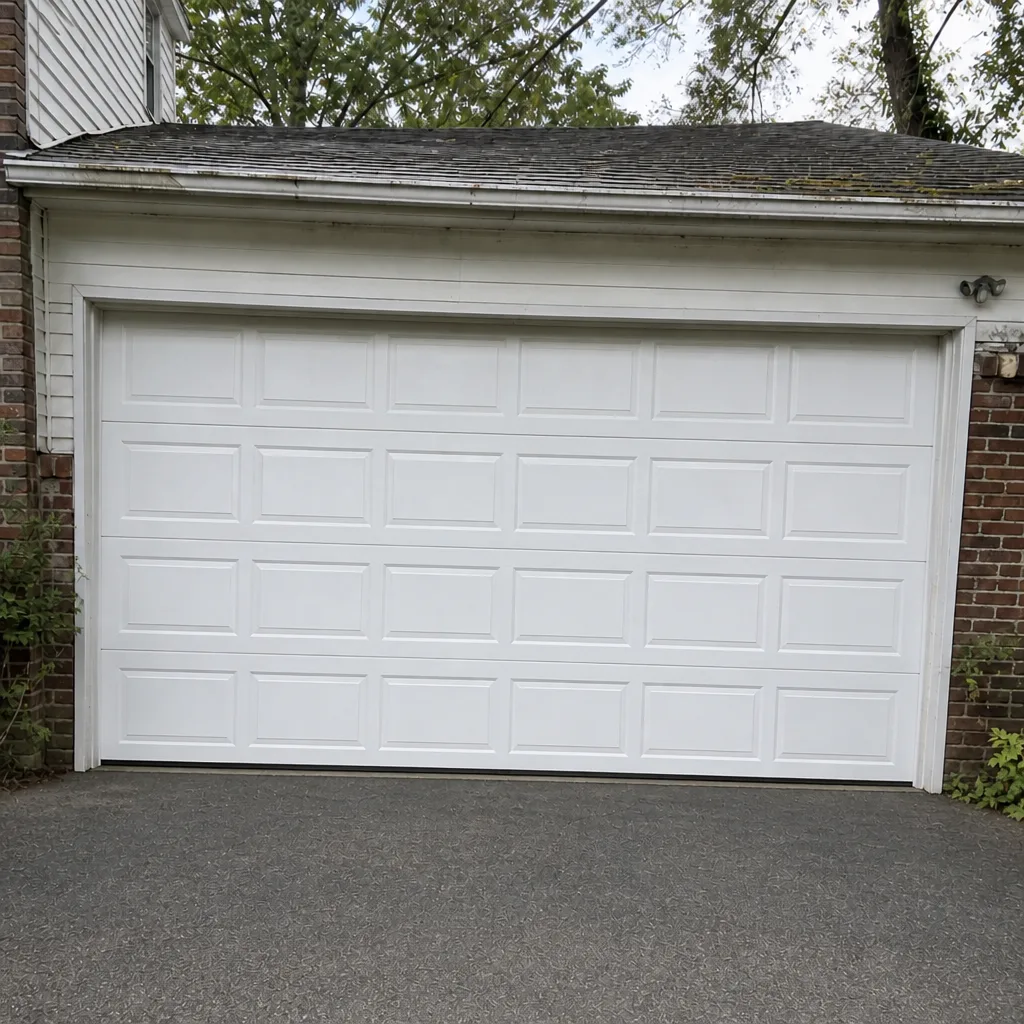 After
When to Call a Professional
Call a professional for anything involving the springs, the torsion system, a door off its track, an opener that’s reversing unexpectedly, or a seal change you’re not sure about. Also call if your door is more than a few years old and hasn’t had a balance and safety check, or if you’ve just moved into a New Brunswick home and don’t know the door’s service history. Households in Highland Park, Milltown, and East Brunswick follow the same calendar: fall prep, late-winter spring check, summer opener calibration. Our team at New Brunswick Garage Door Repair Co offers free estimates in New Brunswick and will walk you through what a typical service call covers. Call (855) 658-5134. We answer 24/7. Fast dispatch from 7am to 7pm, Sunday through Friday.
Frequently Asked Questions
Late February and early March are the peak failure window because of repeated freeze-thaw cycling, which fatigues steel more than sustained cold. Inspect springs in fall and again in late winter, and don’t wait for spring to address a tired spring.
Clean the seal and the concrete beneath it in October, condition the rubber or vinyl with a silicone-based garage door lubricant, and replace any seal that’s cracked or stiff. A flexible, clean seal has far less chance of bonding to cold concrete. If your bottom seal is already failing, our garage door repair service can replace it with a manufacturer-profile match. Call (855) 658-5134 for a free estimate.
Humidity swells wood and composites, which changes the door’s weight and resistance, and that trips the opener’s force-sensitivity limits. Recalibrating the opener’s force and travel limits usually solves it. It’s worth checking the door’s balance at the same time before assuming the opener needs replacing.
You can replace worn seal with the correct manufacturer-profile seal, but avoid changing the door’s weight or adding thicker seals without checking that the opener still calibrates properly. Improper modification can unbalance the door and can affect the opener’s warranty. Have the force and travel limits checked after any seal change.
Pricing depends on spring type, door weight, and whether one or both springs need replacing (a matched pair is usually replaced together). Call (855) 658-5134 for a free estimate, and we’ll give you a written quote before any work starts, so the price you agree to is the price you pay.
Yes. We work on LiftMaster, Chamberlain, Genie, Clopay, Amarr, Wayne Dalton, Craftsman, and Raynor, so your existing door and opener are in familiar hands. From a stuck opener to a full door replacement, we handle it as our core trade. Call (855) 658-5134 for a free estimate.
The Bottom Line
The single most useful thing a New Brunswick homeowner can know about garage door care is that the risk doesn’t sit evenly across the year. Late winter’s freeze-thaw cycle is the hardest window on springs and seals, July and August are the hardest on wood doors and opener calibration, and October is your best chance to fix a problem before it becomes a February call. Do the light monthly checks yourself, protect the bottom seal in fall, don’t touch the springs, and book a professional visit for anything involving balance, tension, or reversing. Match the calendar, and the failures you’d otherwise face in a cold snap become part of the plan.
Written by the team at New Brunswick Garage Door Repair Co.