
Last updated November 23, 2026
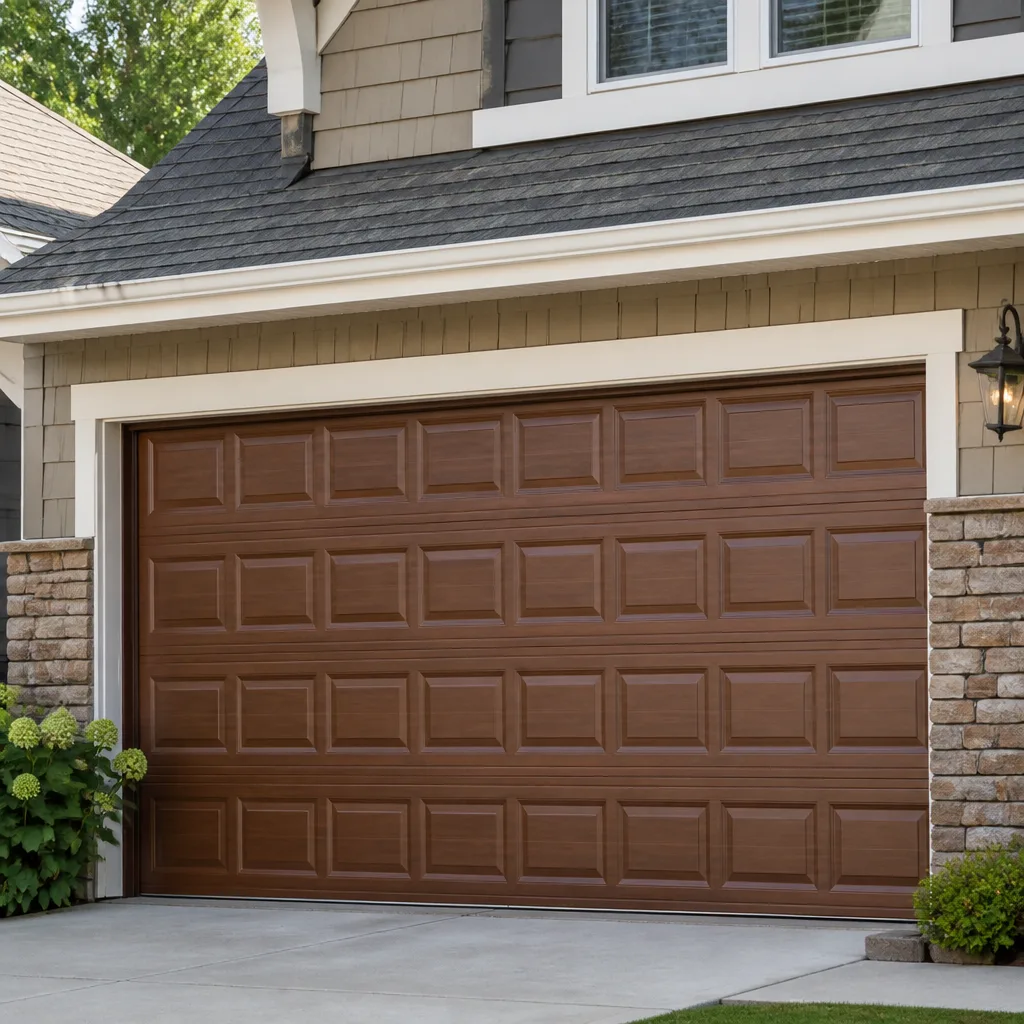 Raised-panel steel
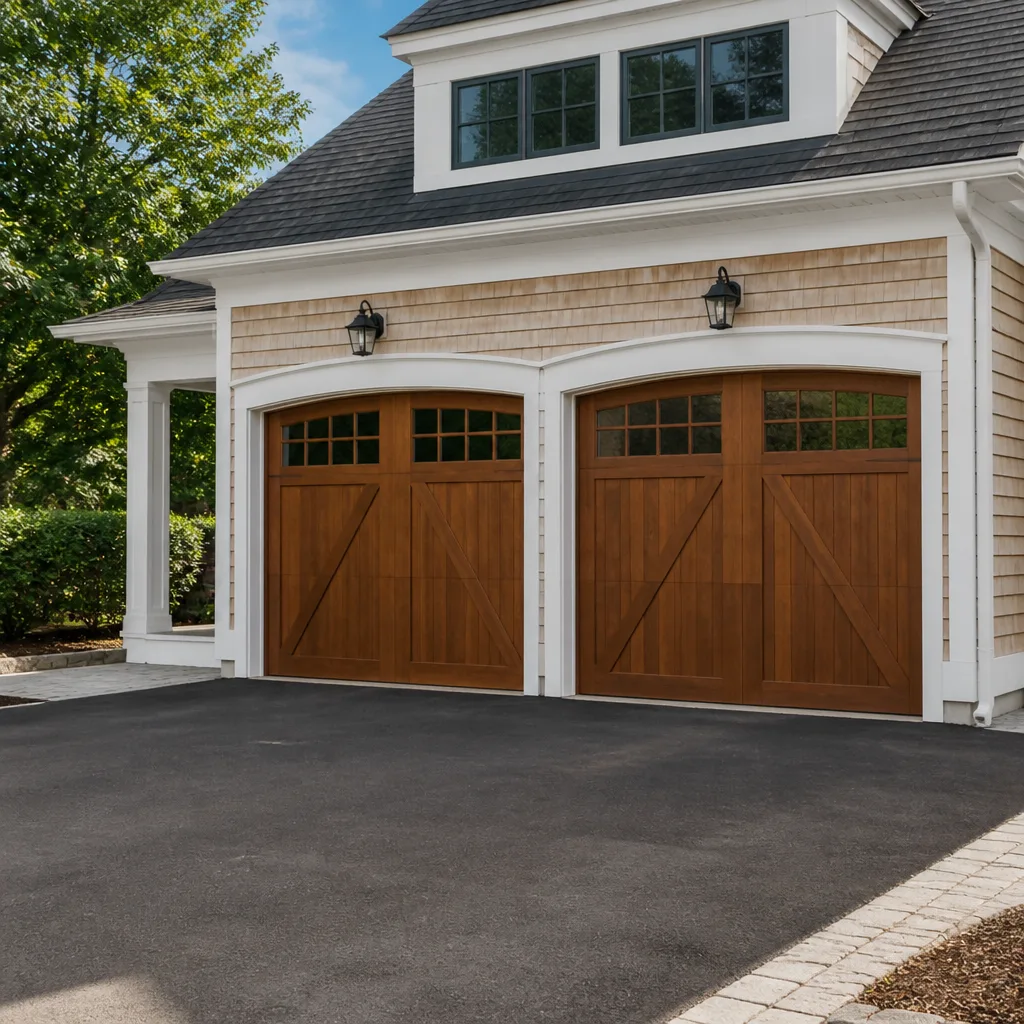 Carriage house
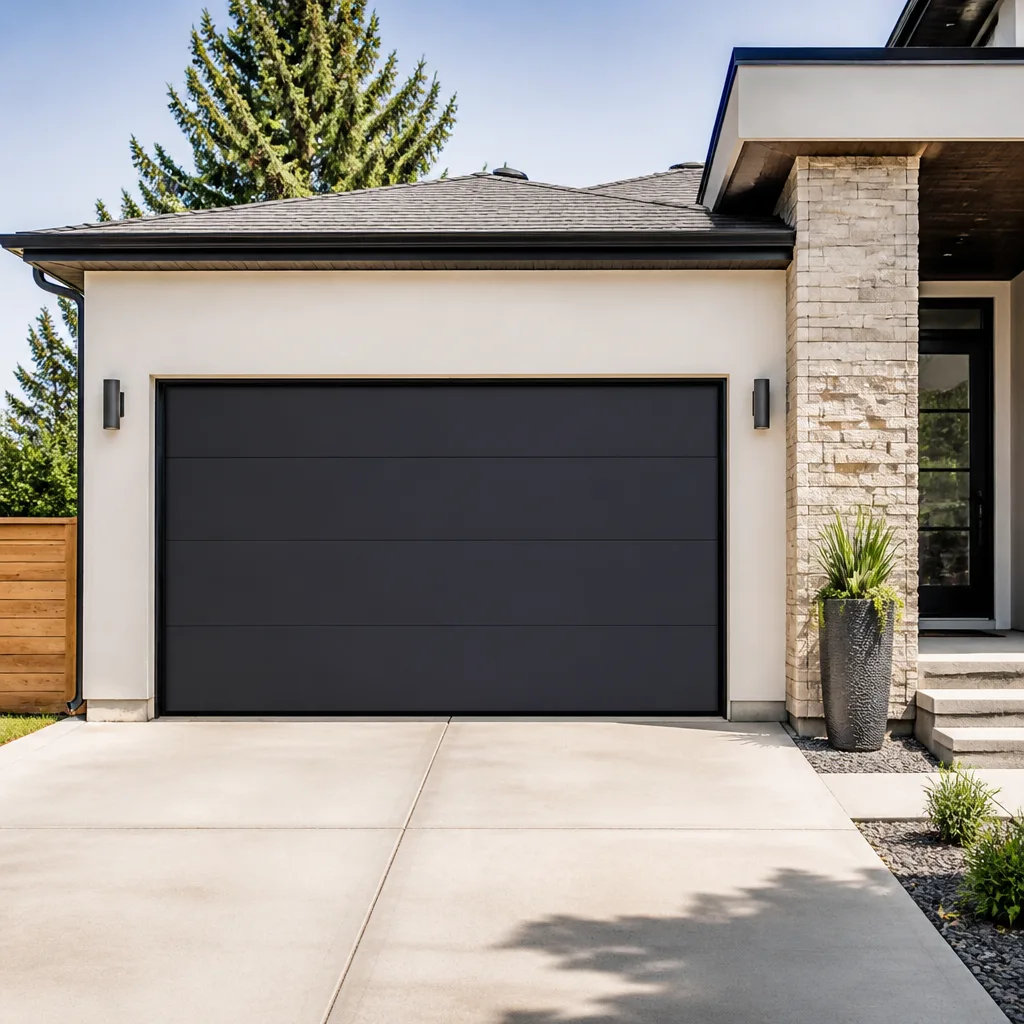 Modern flush
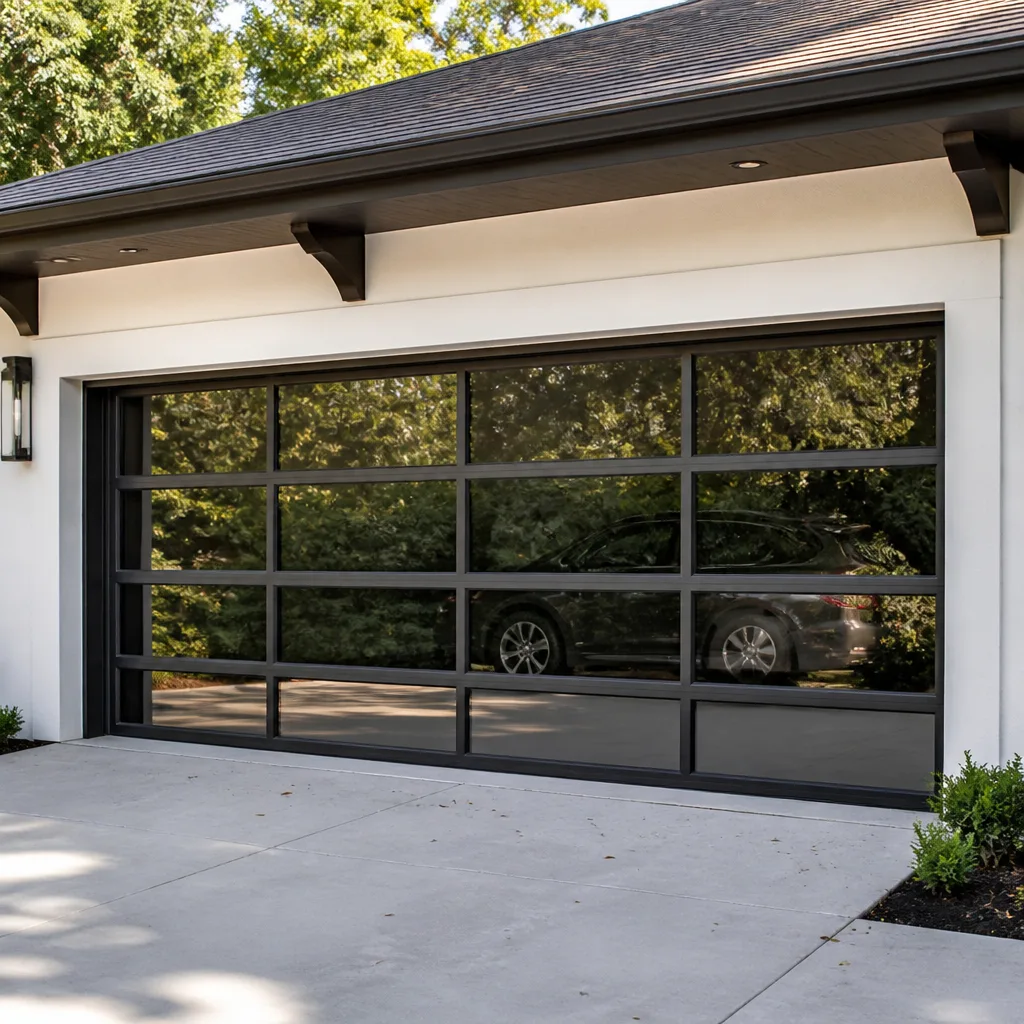 Full-view glass
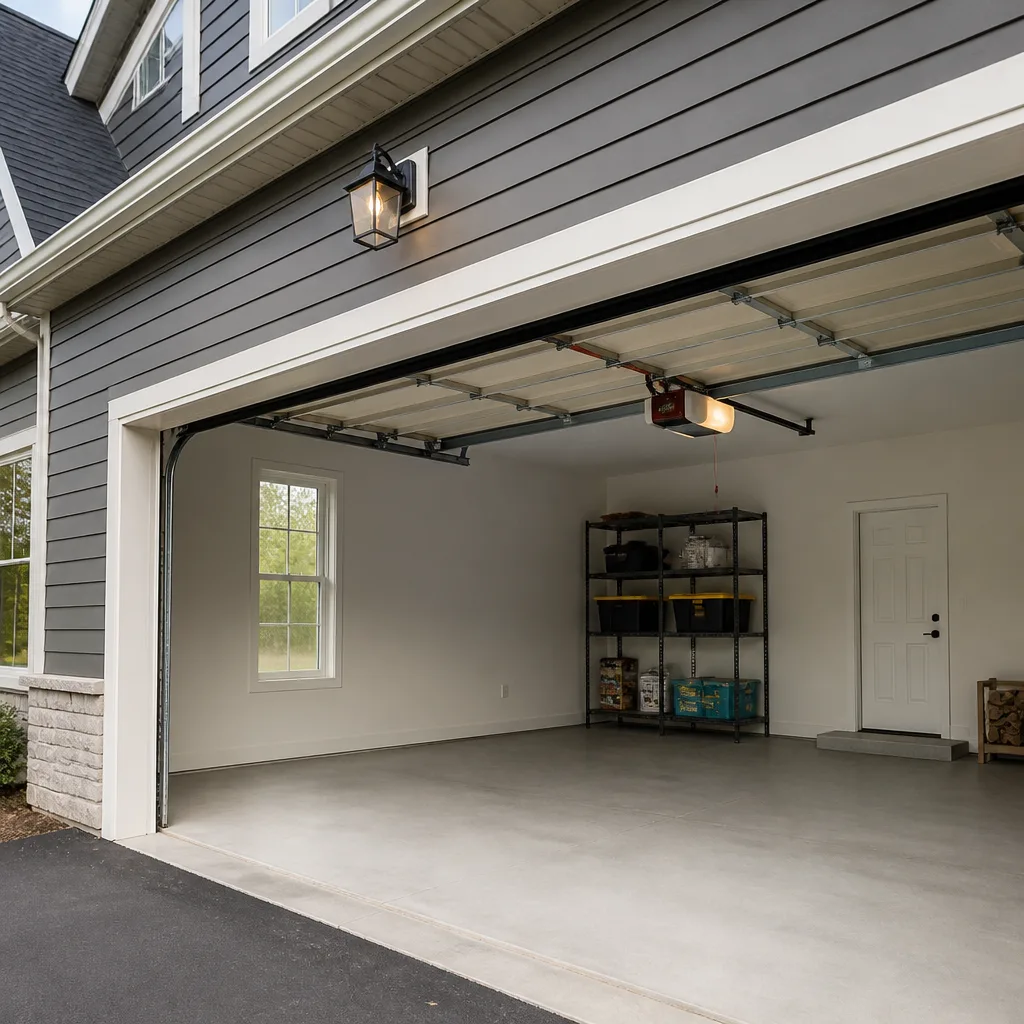 LiftMaster openers
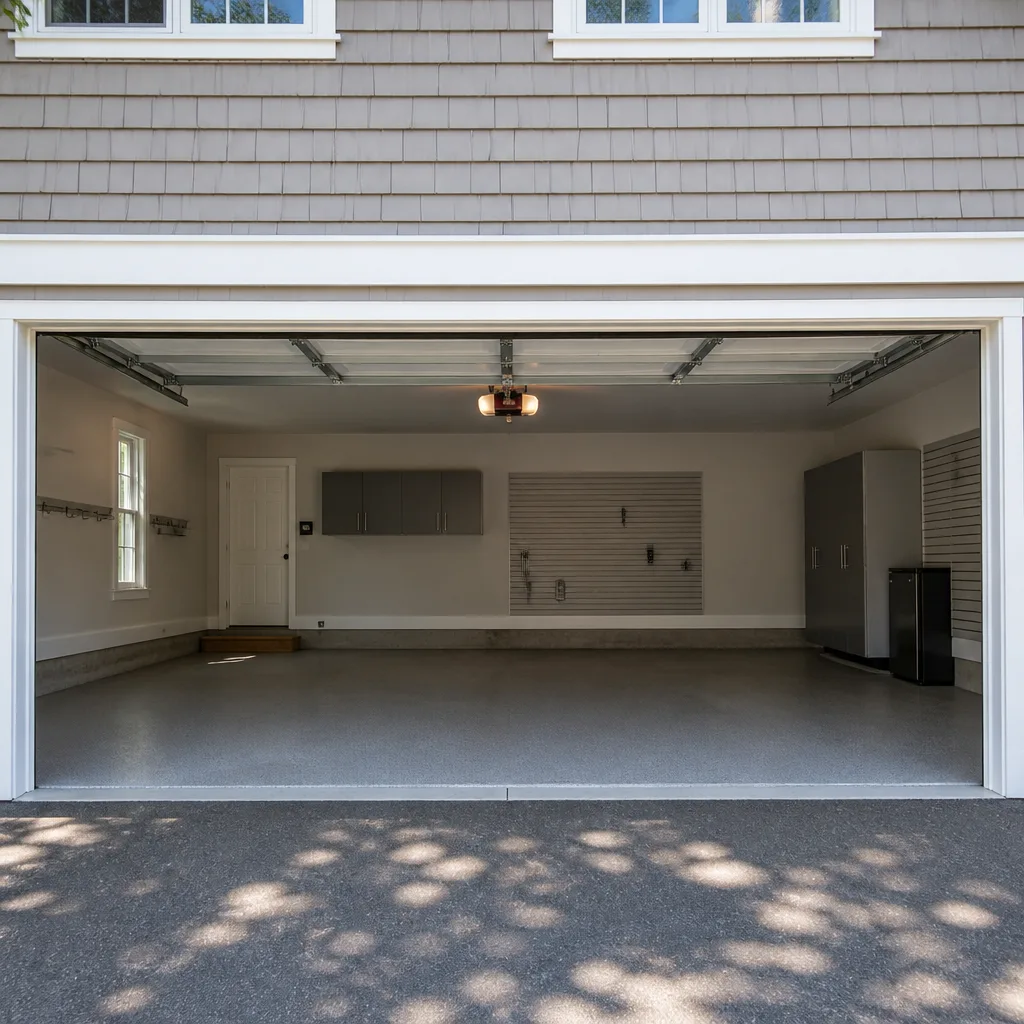 Chamberlain openers
Full 25-point door and opener safety check with every visit - springs, cables, rollers, tracks, and your LiftMaster or Chamberlain opener included
You get a price before we start. It does not change when the pro arrives.
Get your free estimateGarage Door Warning Signs: A New Brunswick Homeowner’s Reference Guide
A garage door that “just started being slow” three weeks ago and “sounds a little different” this week is not dealing with two separate problems. It’s showing you chapters two and three of the same failure story, and chapter four is the breakdown that strands your car inside at the worst possible moment. Most homeowners read these early signals as normal aging. They aren’t. A door is a mechanical system, and it tells you what’s coming if you know where to look and listen. This guide walks through the full sequence of garage door warning signs, from the cosmetic sounds you can safely ignore to the ones that mean you should stop using the door today. We’ll cover the 12 most common symptoms and their real mechanical causes, how to tell normal wear noise from structural noise, the visual tells of a spring near end-of-life, and which signs mean a 24-hour call versus a schedule-it-this-week repair versus a keep-an-eye-on-it situation. We’ve written it from New Brunswick, where the seasonal swings put real stress on every moving part of a door.
Quick Answer
Garage door warning signs usually appear in a predictable sequence: a new sound, then slower or jerky movement, then visible sagging, gaps, or slack cables, then failure. The three signs that mean call a professional within 24 hours are a snapped torsion spring (the door is dead weight and should not be operated), a door that has come off its track, and any frayed or snapped cable. Everything else is a schedule-within-the-week or monitor-and-recheck decision. When in doubt, a professional diagnosis costs nothing more than a phone call and a free estimate.
Styles & brands we work with
- Raised-panel steel
- Carriage house
- Modern flush
- Full-view glass
- LiftMaster openers
- Chamberlain openers
Table of Contents
- Why Garage Doors Give Warning Signs Before They Fail
- The Symptom-to-Cause Table: 12 Warning Signs and What They Actually Mean
- Reading the Noise: Cosmetic Wear vs. Structural Distress
- The Spring Is Dying: What You Can Safely See From a Distance
- Which Warning Signs Are a 24-Hour Emergency, Which Can Wait a Week
- A Door That “Works Fine” Can Still Be Failing Under Load
- How New Brunswick Weather Reshapes the Warning-Sign Timeline
- Common Mistakes to Avoid
- When to Call a Professional
- Frequently Asked Questions
Before we get into the detail, one thing to know about how we work. New Brunswick Garage Door Repair Co handles residential garage doors and nothing else, across the eight brands most New Brunswick homes actually have installed. If you’re reading this because a door is already acting up, you can call (855) 658-5134 for a free estimate. We answer 24/7 and run fast dispatch from 7am to 7pm, Sunday through Friday.
Why Garage Doors Give Warning Signs Before They Fail
A garage door is one of the few machines in your home that runs under constant load. A typical single door weighs well over a hundred pounds, and the springs do almost all the lifting. Every cycle – opening and closing – puts that weight back on the springs, the cables, the rollers, the hinges, and the opener’s drive gear. Multiply that by a household that opens the door four or six times a day, and you’ve got a system doing thousands of load cycles every year.
Mechanical systems don’t usually fail instantly. Metal fatigues over many cycles, and it gives signals along the way: a tiny bit of stretch in a spring, a roller that develops a flat spot, a hinge that works its screw loose. Those signals are gradual, and that’s the problem. Your door gets a little louder this month, a little slower next month, and by the time it stops working you’ve mentally filed a dozen warnings under “that’s just how it’s always sounded.”
Here’s the sequence we see most often in New Brunswick homes:
- Noise change. The door starts making a sound it didn’t make last season. Usually ignored.
- Movement change. The door hesitates, jerks, or slows in one spot. Often misinterpreted as a cold-weather issue.
- Visible wear. Sagging panels, a gap along one side, slack or frayed cables, a spring that looks stretched or has a visible gap in its coil.
- Failure. The spring snaps, a cable lets go, or the opener strips a gear.
If you catch the sequence at step one or two, you’re typically looking at a straightforward adjustment or a part replacement. If you catch it at step four, you’re looking at an emergency call and possibly a door that shouldn’t be used at all until it’s fixed. The whole point of learning to read a door is to move your diagnosis earlier in that sequence.
The other reason doors give warning signs is that they’re exposed. Your door takes the full force of every storm, temperature swing, and humidity change in New Brunswick. It’s an outdoor machine bolted to an interior wall, and it wears accordingly. That’s why the maintenance signals matter more here than they might in a milder climate.
The Symptom-to-Cause Table: 12 Warning Signs and What They Actually Mean
This is the reference section. Homeowners often describe a symptom – “it’s loud,” “it jams,” “it won’t close all the way” – without knowing what’s actually happening inside the mechanism. Here are the 12 most commonly reported warning signs and the mechanical root cause behind each one.
- 1. Loud bang from inside the garage, then the door won’t lift. Root cause: a torsion spring has snapped. The door is now dead weight on its cables, and it should not be operated until a technician secures it.
- 2. Door lifts a few inches and stops. Root cause: opener force limits are tripping against a damaged spring, a binding track, or a failing drive gear. The opener is protecting itself from overload.
- 3. Grinding or rattling as the door moves up or down. Root cause: worn or dry rollers, loose hinges, or a track that is out of alignment and scraping the roller stems.
- 4. Door is visibly crooked – one side higher than the other. Root cause: a stretched or broken spring on one side, or one cable has jumped its drum. This is a stop-using-it sign.
- 5. Door closes, then reverses and opens again. Root cause: the safety reversing sensor is blocked, misaligned, or the opener’s travel limits have drifted. Sometimes a binding track is providing enough resistance to trigger the reversal.
- 6. Squealing or high-pitched screech during movement. Root cause: metal-on-metal friction, usually roller bearings or a torsion tube that has lost lubrication.
- 7. Door is heavy to lift by hand (on a manual door, or after pulling the release on an automatic one). Root cause: spring tension has weakened to the point it’s no longer balancing the door’s weight. This is the classic pre-failure warning.
- 8. Garage door opener runs but the door doesn’t move. Root cause: stripped drive gear in the opener, a snapped chain or belt, or the manual release has been left engaged. On older Craftsman and Chamberlain units the drive gear is the usual suspect.
- 9. Visible gap between the door and the floor when closed. Root cause: travel limits are set wrong, the bottom seal is worn, or the door has shifted on its hinges. Also a security and weather-sealing issue.
- 10. Cables look slack, kinked, or have visible frayed strands. Root cause: cable wear or a drum that has lost its winding. Cables are under extreme tension and this is never a keep-going situation.
- 11. Panels are bent, cracked, or separating at the seams. Root cause: impact damage or long-term stress at the hinge points. Bent panels distort the door’s travel and load the opener and springs unevenly.
- 12. Door only opens partway, or the opener beeps and stops. Root cause: travel limit settings, a failing logic board, or a force-limit trip. On smart openers like a newer LiftMaster, it can also be a sensor or wiring fault the opener is reporting through its error code.
One thing that unites this list: none of these symptoms is solved by pressing the remote harder or living with it longer. Each one has a mechanical cause, and each one gets worse, not better, with continued use. Diagnosing which cause you’re dealing with is the whole job – and it’s why we treat garage door repair as a diagnostic discipline first and a parts swap second. Diagnosed right, fixed once.
Reading the Noise: Cosmetic Wear vs. Structural Distress
You can learn a lot about a garage door with nothing but your ears and your eyes. The trick is knowing which sounds are normal wear and which ones mean something is bending or binding under load.
Cosmetic (normal wear) sounds
- A soft, even rumble as the door travels – normal roller-on-track noise.
- A light squeak that comes and goes with the seasons – usually dry rollers or hinges, and a lubrication and adjustment item.
- A gentle metallic tick when the door starts or stops – the opener taking up slack, largely normal on older chain-drive units.
Structural (investigate now) sounds
- A sharp crack or bang followed by the door going slack – a spring has failed. Stop using the door.
- Grinding that gets louder as the door moves – metal is scraping metal, usually a misaligned track or a seized roller.
- Popping or clunking at one specific point in the travel – a roller is jumping a track joint, or a hinge is working loose.
- Scraping along one side – the door is out of square and rubbing the track, which stresses the opener and springs.
Then there are the visual tells. Stand back and watch a full cycle, and check these:
- The gap. Is the gap between the door edge and the track even on both sides, top to bottom? An uneven gap means the door is out of square.
- The pause. Does the door hesitate at one spot? That’s a binding point or a force-limit trip, not normal.
- The slant. Does the door look level when it’s halfway up? A door that’s high on one side has a spring or cable problem on that side.
- The roller wear. Look at the rollers from a safe angle – do any look flat-spotted or loose? Worn rollers cause the door to bind and the opener to work harder.
Those four checks take two minutes and will tell you more about the health of your door than any amount of listening from inside the kitchen. If anything looks uneven, don’t ignore it – call and get it looked at.
The Spring Is Dying: What You Can Safely See From a Distance
Torsion springs – the coiled springs mounted on the bar above the door – are the most safety-critical part of the whole system. They hold the door’s full weight in tension, and when they fail they can fail violently. This is not a component to inspect with your hands. But you can read a spring’s condition from a safe distance, with your eyes only, and that tells you most of what you need to know.
Safe visual checks (from the floor, no touching)
- A gap in the coil. A healthy torsion spring is a tight, even coil. A visible gap – a stretch where the coils no longer sit against each other – means the spring has been stretched by fatigue and is closer to failure than it looks.
- Rust or heavy discoloration. Surface corrosion weakens the steel and shortens spring life. In New Brunswick, humid summers and freeze-thaw winters accelerate this.
- A stretched, sagging look. A spring that has visibly elongated compared to its original length has lost tension and is no longer balancing the door.
- A door that won’t stay up when lifted partway. If you can lift the door by hand and it won’t hold its position, the spring has lost the tension that’s supposed to balance it. This applies to manual doors, or automatic doors with the opener released – and only if you can do it safely.
What you should never do
Do not touch the springs, the cables, the drums, or the winding bars. Do not try to tighten a spring or adjust a cable yourself. These parts are under extreme tension, and a slip can cause serious injury. We handle garage door spring repair as its own discipline for exactly this reason – spring work is specialist work, and it always should be. If you see any of the warning signs above, the safe move is to stop using the door and have a technician assess it.
When a spring is actually failing vs. just noisy
A creaking spring that’s still holding tension can often be lubricated and adjusted. A spring with a visible gap, rust, or a door that won’t balance is a replacement item, not a maintenance item. The difference is mechanical, not cosmetic, and it’s worth having a professional tell you which you’re looking at before you keep cycling the door.
Which Warning Signs Are a 24-Hour Emergency, Which Can Wait a Week
Not every warning sign is equally urgent, and treating a cosmetic squeak like a crisis wastes your time and money. Here’s how to sort your symptoms into three buckets. This is the single most useful diagnostic skill a homeowner can develop.
Call within 24 hours – stop using the door
- A snapped torsion spring.
- A door that has jumped its track, or is hanging crooked or partly off.
- A snapped or badly frayed cable.
- A door stuck open with the garage exposed, or stuck shut with the car inside.
- Any loud bang followed by the door going dead.
In each of these cases, the door is either unsafe to operate or a security risk while it’s stuck. If your door won’t move at all, our emergency garage door service is built for exactly that. We answer 24/7, and a call outside dispatch hours is booked into the next opening, Sunday through Friday, 7am to 7pm.
Schedule within the week
- Grinding, screeching, or binding as the door travels.
- An opener that runs but the door doesn’t lift reliably.
- A visible gap at the floor or an uneven gap at the tracks.
- A door that reverses when closing.
- Worn rollers or loose hinges.
These are still working-door problems, but they’re wearing out other parts with every cycle – the opener is pushing harder, the springs are doing extra work, and the wear compounds. Booking within the week catches them before they become the emergency call.
Monitor and recheck
- A light seasonal squeak.
- Minor cosmetic rattles on a chain-drive opener.
- A door that’s just a little noisier in extreme cold and settles once temperatures moderate.
Keep an eye on these. If they get worse – louder, more frequent, or accompanied by any of the schedule-within-the-week symptoms – move them up a bucket. If they stay steady through a season change, they’re likely just normal wear noise.
A Door That “Works Fine” Can Still Be Failing Under Load
Here’s the part most homeowners miss. A door can open and close normally, day after day, and still be in the late stages of failure. That’s because the opener does almost all the lifting when the door is fully powered and everything is aligned. Under normal use, a failing spring or a slipping cable can hide behind the opener’s effort for a long time. The door “works fine” because the motor is compensating for wear you can’t feel.
The moment that compensation disappears – a power outage, a tripped breaker, or a dead opener motor – you’re left with a door that has to be operated by hand. And a door that hasn’t been balanced in months may not be liftable at all. That’s when the hidden warning signs become very visible.
The three parts most likely to fail under load conditions, even when the door works fine in normal use:
- Springs. A spring that’s lost enough tension to be a problem when the opener is off may still work with the opener on. The balance test (lifting the released door by hand) is the check that reveals it.
- Cables. A cable with frayed strands or loose winding can hold under normal load and let go under the extra strain of a manual lift.
- Panels and hinges. Bent panels and loose hinges distort the door’s travel, and a manual lift can stress them past the point where they hold.
This is also why an off-track door is so dangerous during a power outage: a homeowner forces a stuck door and turns a fixable alignment problem into a bent door and possibly an injury. If you’re facing a power outage and your door won’t lift easily by hand, don’t force it. Call for advice and a service booking.
How New Brunswick Weather Reshapes the Warning-Sign Timeline
Garage door warning signs don’t follow the same timeline everywhere. In New Brunswick, the seasons put a specific pattern of stress on a door, and that pattern changes when you should expect to see each warning sign.
The freeze-thaw cycle is the big one. Our winters swing between hard freezes and thaws, and that cycle does two things. First, it works the door’s seal and frame – the bottom seal can freeze to the slab and tear when the door opens. Second, it stresses the springs and cables with repeated contraction and expansion, which accelerates fatigue in a door that’s already near the end of its service life.
Summer humidity is the other side of it. Humidity accelerates corrosion on springs and cables, and it can swell wooden door sections and warp panels. A door that was fine in spring may show a gap at the floor or a binding panel by late summer. If your door is a Wayne Dalton or Clopay model with wood composite sections, that seasonal swelling pattern is worth watching.
New Brunswick’s housing stock adds another variable. Older homes with original doors often have opener units that are well past their service life, and a door that’s been working fine for years can start tripping its force limits when the door itself begins to bind. The pattern is usually a door that gets harder to move over the summer, then starts reversing or stopping short when the cold hits and the components stiffen.
The practical takeaway: check your door twice a year, once before the first hard freeze and once as the humidity lifts in early fall. Those are the two windows where new warning signs are most likely to show up. If you notice anything from the symptom-to-cause table, don’t wait for the next seasonal check.
Common Mistakes to Avoid
- Waiting for the door to fully fail before calling. A door that’s still opening but grinding, jerking, or getting heavier is telling you it’s close to failing. The repair is almost always smaller if you call while it still works.
- Ignoring a new noise because it “just started.” A new noise is the earliest and cheapest warning sign you’ll get. Treat it as information, not background.
- Trying to fix spring or cable issues yourself. These parts are under extreme tension, and a mistake can cause serious injury. This is the one repair where the professional-only rule is absolute.
- Forcing a stuck door open or closed by hand. Forcing a door off its track turns a repair into a replacement, and it can injure you. If the door won’t move, call.
- Assuming the opener is the problem when it’s the door. Most “opener failures” are actually binding doors, worn springs, or misaligned tracks. Diagnosing the door first saves you from replacing a healthy opener.
- Skipping the twice-yearly balance and visual check. The spring gap, the uneven track gap, and the sagging panel are all visible without touching anything, twice a year, in minutes. Skipping the check is how a small repair becomes an emergency call.
- Hiring a generalist for a specialist repair. Garage doors are the one thing a garage door specialist should work on. A handyman without the right tools, springs, and brand familiarity can leave your door worse off than the original symptom did.
When to Call a Professional
Call a professional if your door has snapped a spring, jumped its track, will not open or close at all, or is stuck in a way that leaves your home exposed or your car trapped. Call if the door is visibly crooked, if a cable looks slack or frayed, if the opener runs but the door doesn’t move, or if the door reverses repeatedly when it should close. Stop using the door and do not touch the springs or cables. Our technicians have up to 10 years of experience, and we work on the brand you already have – LiftMaster, Chamberlain, Craftsman, Raynor, and the other major names. New Brunswick Garage Door Repair Co offers free estimates in New Brunswick, so you can get an exact opinion before you decide. Call (855) 658-5134.
Frequently Asked Questions
A change in sound is usually the first sign. A door that develops a new squeak, grind, or rumble before it shows any other symptom is telling you something has worn or loosened. The fix is usually small at that stage, which is why it’s worth acting on early. Call (855) 658-5134 for a free estimate – estimates are free.
Yes. A broken torsion spring means the door is dead weight on its cables, and operating the door risks a cable failure or a sudden drop. Stop using the door and call for a spring assessment. Springs are under extreme tension – this is not a DIY repair.
Yes, and this is one of the most common situations we see. A door that opens normally with the opener may still have a spring that has lost tension, a cable that has started to fray, or a panel that is bending under load. The balance test – lifting the released door by hand – is the check that reveals these hidden signs.
Twice a year is the right rhythm: once before the first hard freeze and once in early fall when the humidity drops. In New Brunswick, the freeze-thaw cycle and humid summers both accelerate wear on springs, cables, and seals, so the seasonal check catches problems before they turn into failures. A quick visual and balance check is enough.
It’s a situation that needs prompt attention, but whether it’s a true 24-hour emergency depends on the cause and whether the door is stuck open. A door stuck open with your garage exposed is urgent. A door stuck shut with the car inside is also urgent. Call (855) 658-5134. We answer 24/7, and fast dispatch from 7am to 7pm, Sunday through Friday, books you into the next opening.
Sometimes a grinding door is just dry rollers or a loose hinge, but it can also be a misaligned track, a seized roller, or a door that is out of square. A wrong diagnosis can make it worse, and the fix may involve adjustments near the spring and cable system. Have it assessed before you start taking things apart. Call for a free estimate and an exact diagnosis.
No surprise pricing. The price is quoted and agreed before any work starts, and the written estimate sets the final price. If a technician finds something different once the door is opened up, you’ll be told before anything is done. Call (855) 658-5134 for a free estimate – estimates are free.
The Bottom Line
Garage door warning signs almost never arrive without warning. They arrive in order: a new sound, then slower or uneven movement, then visible sagging, gaps, or slack cables, and finally failure. A snapped spring, a door off its track, or a frayed cable means stop using the door and call within 24 hours. Grinding, binding, or a door that reverses when closing means schedule within the week. A light seasonal squeak means monitor and recheck twice a year. If you learn to read the sequence, you’ll usually catch your door at step one instead of step four – and that’s the difference between a quick adjustment and an emergency call in New Brunswick. Our technicians have up to 10 years of experience, and we service every major brand, from LiftMaster and Chamberlain to Genie, Craftsman, and Raynor. Whether you need garage door opener repair or a full assessment of a door that’s showing its age, we’re one call away.
Get a Free Estimate Today
If anything on this page matches what your door is doing, don’t wait for the next symptom to show up. New Brunswick Garage Door Repair Co offers free estimates in New Brunswick – call (855) 658-5134 to book an assessment and get an exact answer for your door. We answer 24/7, with fast dispatch from 7am to 7pm, Sunday through Friday. From a stuck opener to a full door replacement, we diagnose it right and fix it once.
Written by the team at New Brunswick Garage Door Repair Co.
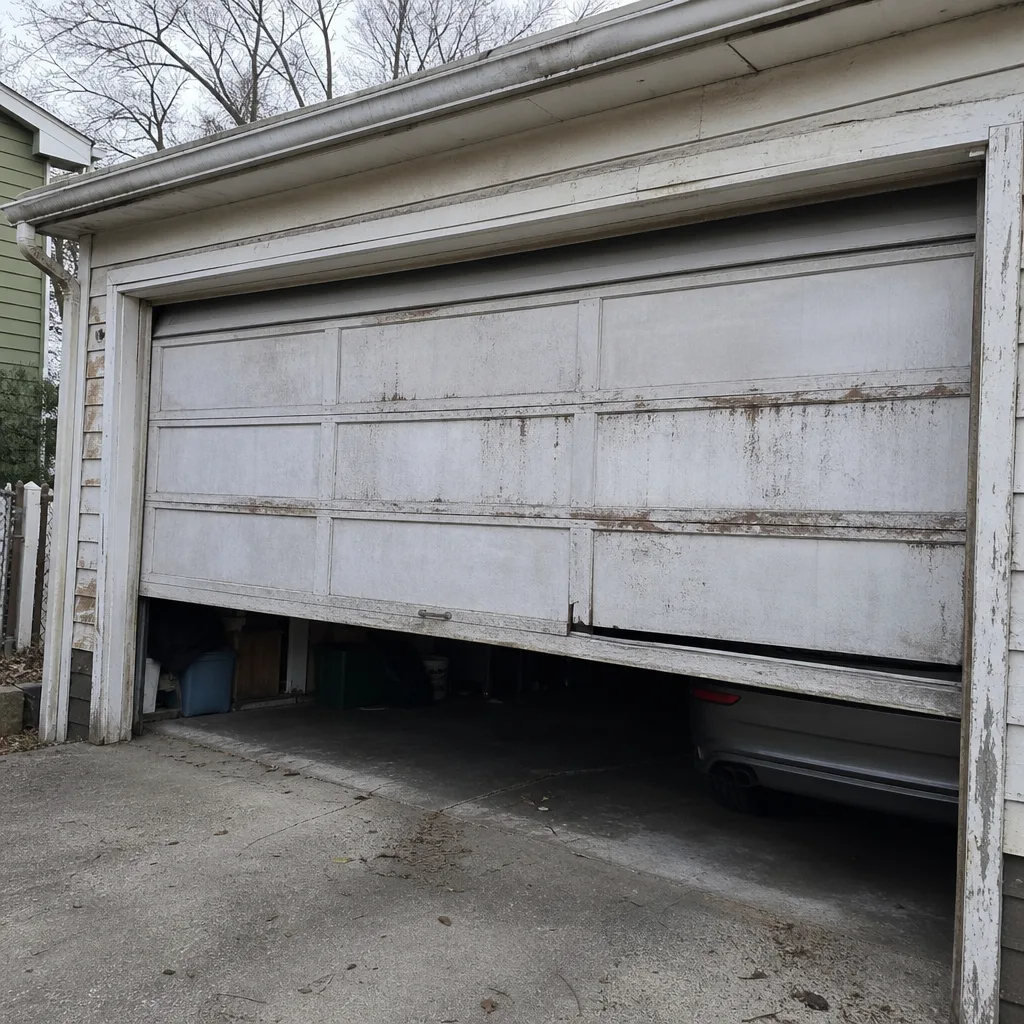
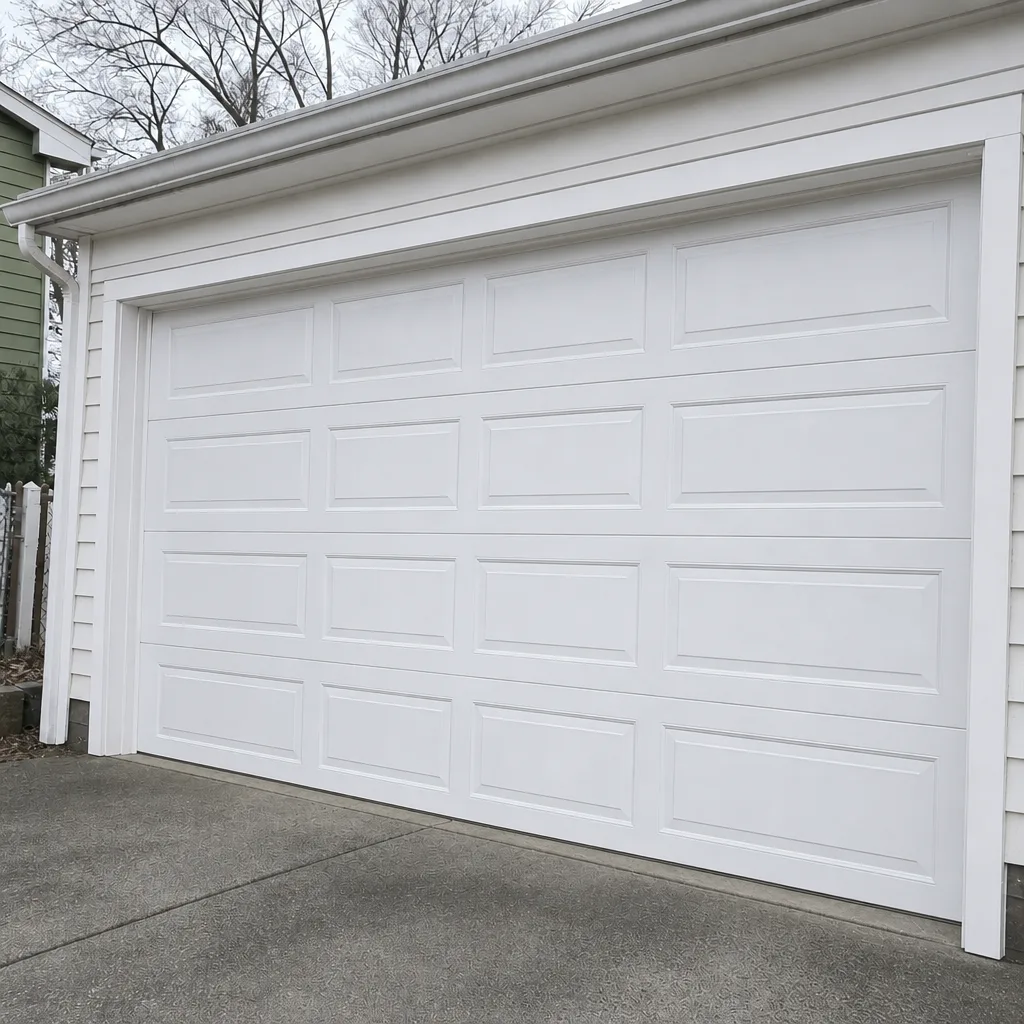
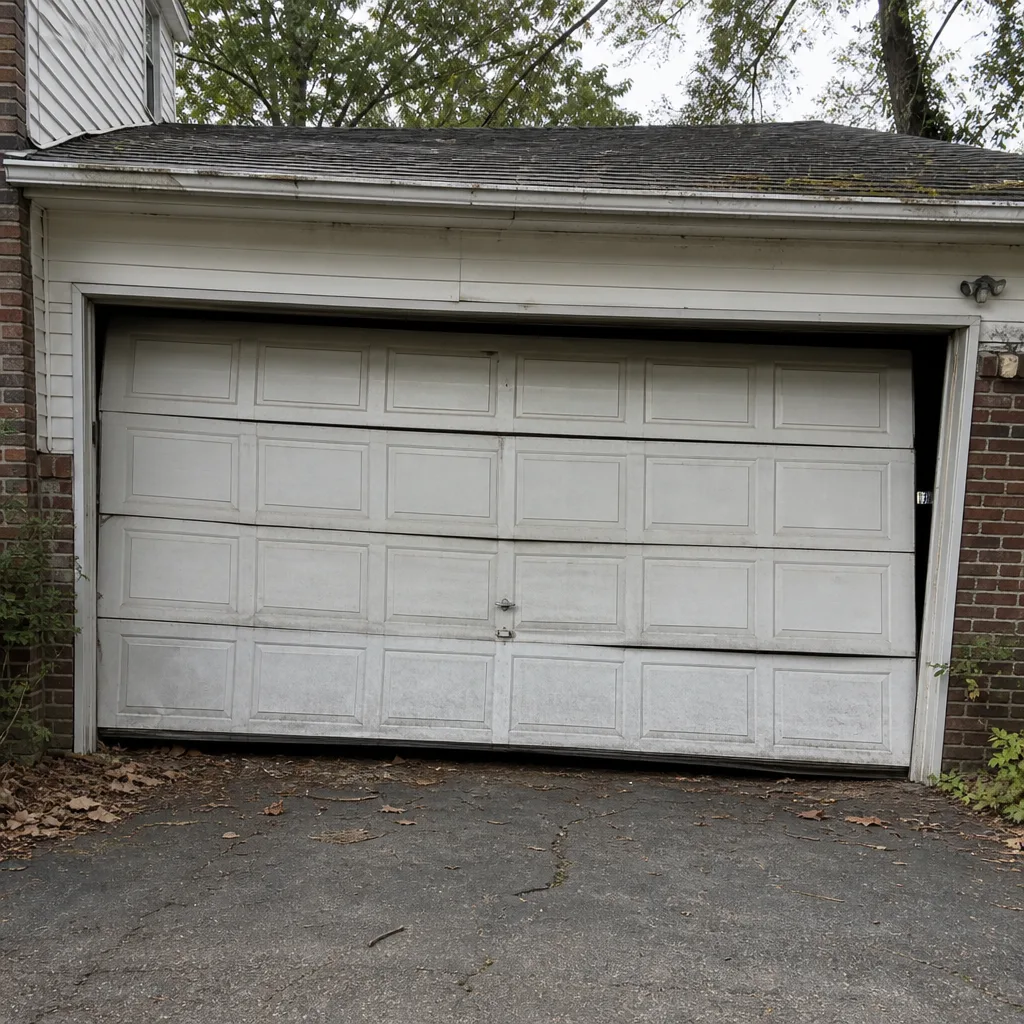
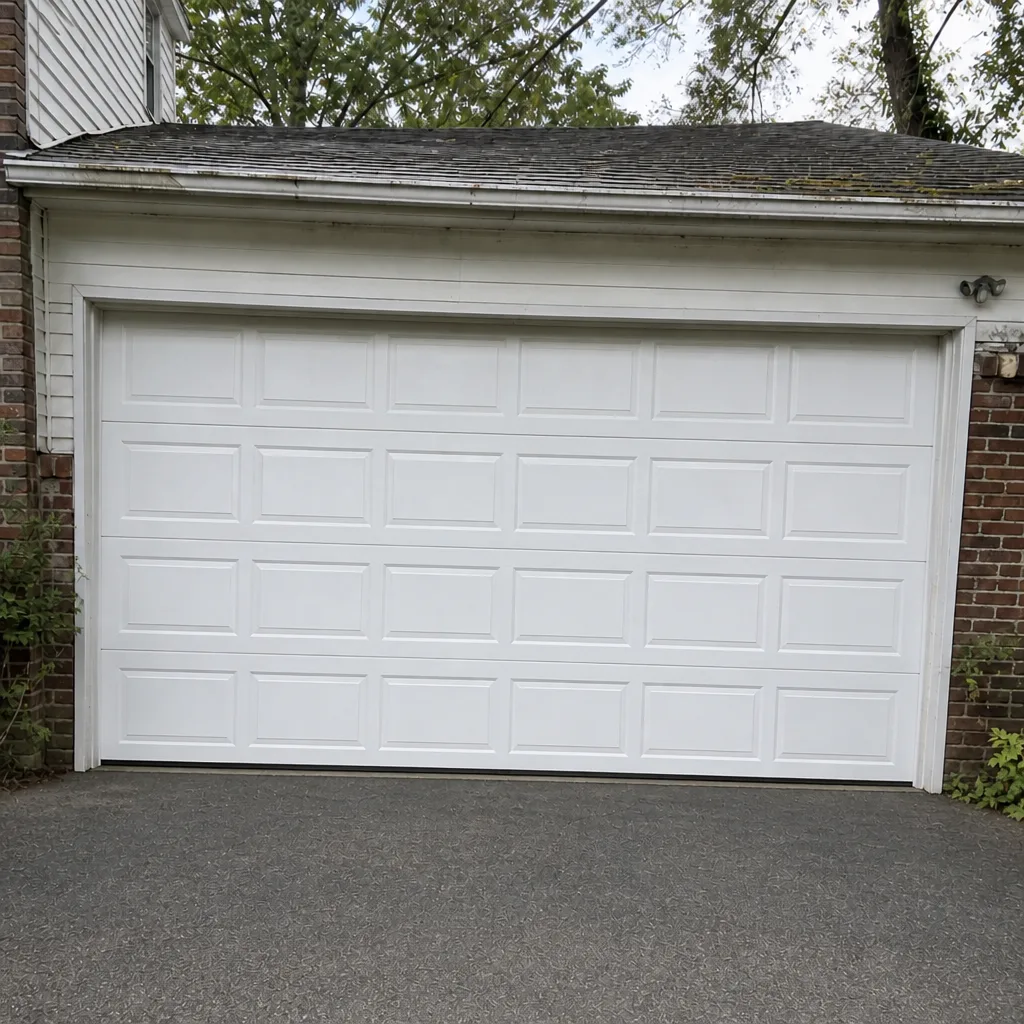
See the difference
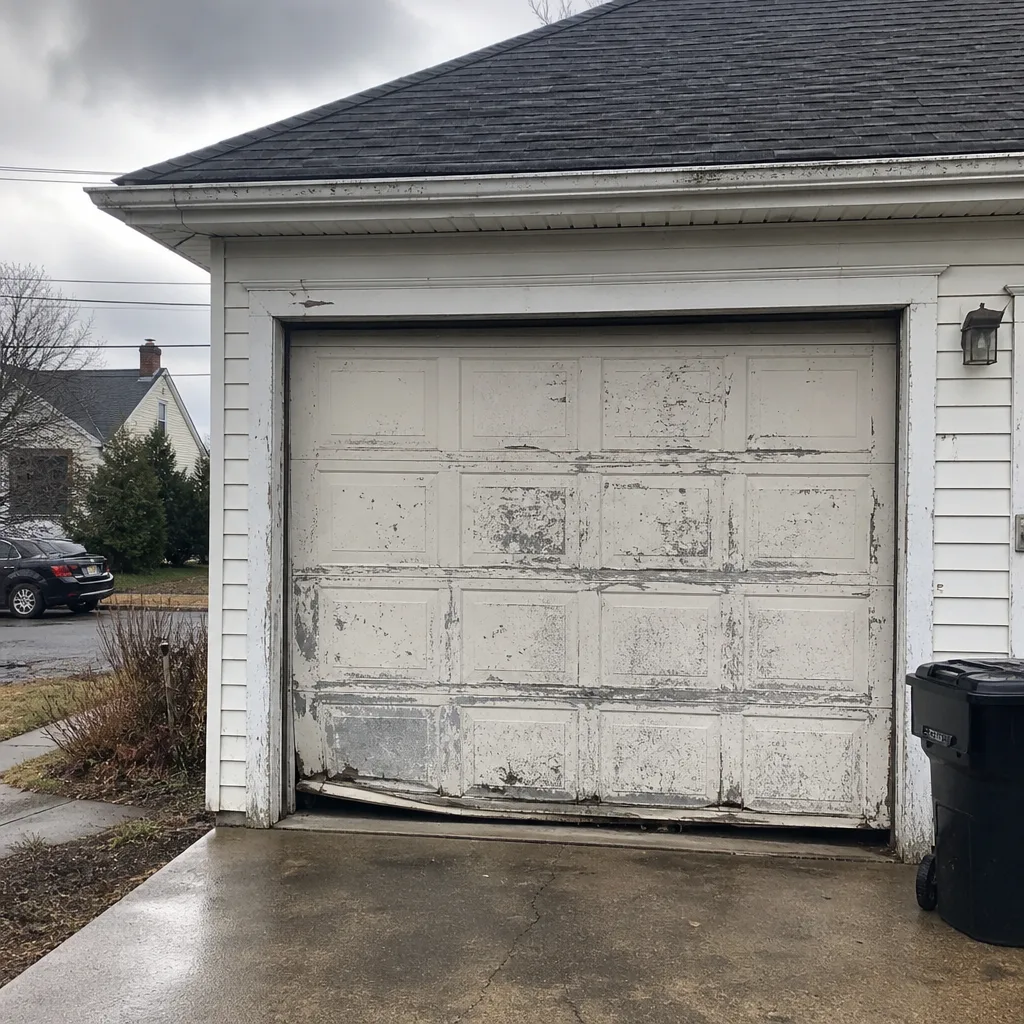 Before
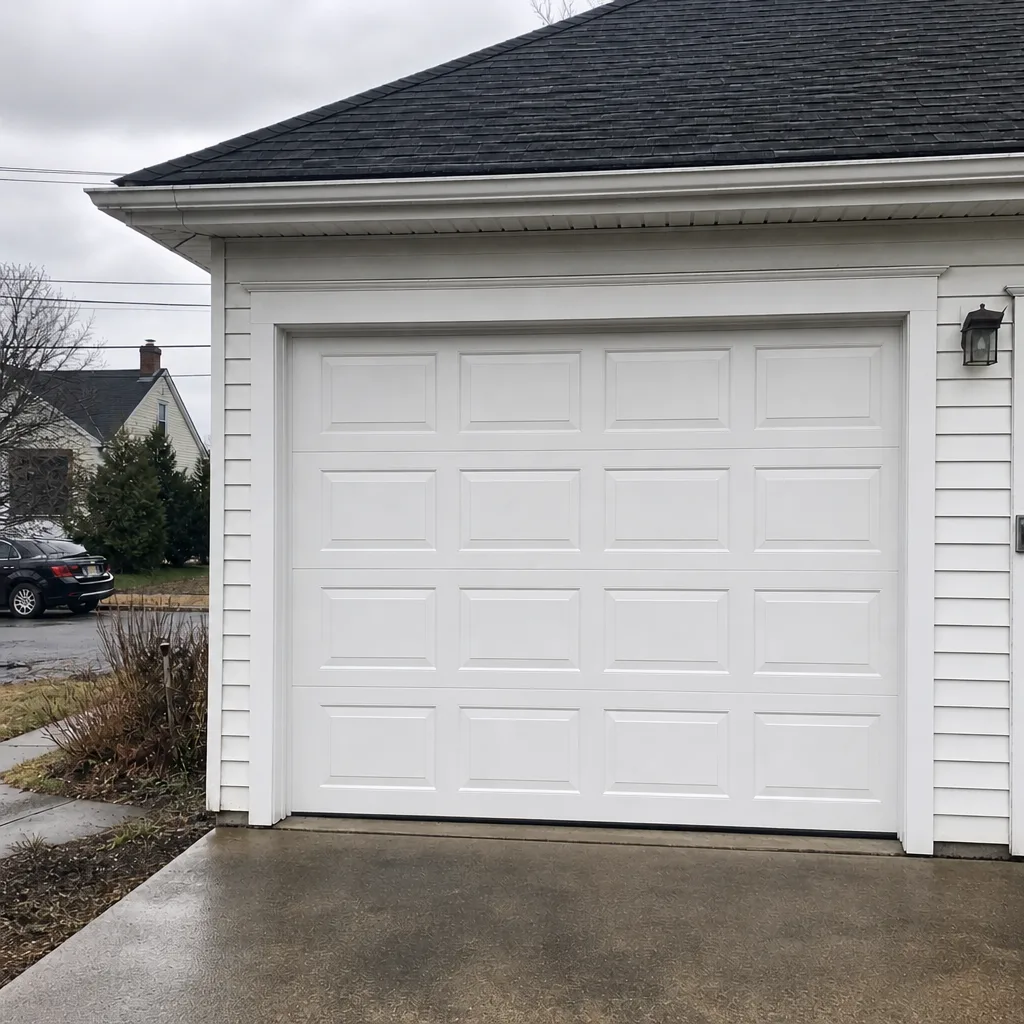 After
 Before
 After
 Before
 After